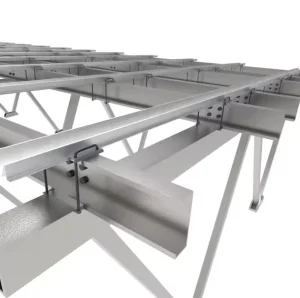
Engineered for durability, seamless compatibility, and high structural safety across utility-scale and rooftop solar arrays.
Unlocking Multi-Decade Reliability Through Advanced Mechanical Foundations and Electrical Safety Integration.
As the global utility-scale and commercial/industrial (C&I) solar market scales exponentially, focus has shifted from solar module efficiency to the physical and structural integrity of the Balance of System (BOS). High-performance solar power kits require mounting systems, cabling accessories, and combiner boxes that can survive harsh environments for over 25 years. Under-engineered brackets or substandard junctions lead to accelerated structural fatigue, galvanic corrosion, and electrical failures.
Hebei Trope Solar Co., Ltd. stands at the forefront of this market, delivering end-to-end engineered PV support systems. By maintaining control over every step of the supply chain—from high-strength steel roll-forming and robotic welding to custom casting and precision stamping—we protect the capital investments of developers, EPC contractors, and global system integrators.
The shift toward extreme weather resilience, fast-install modularity, and total cost of ownership (TCO) optimization.
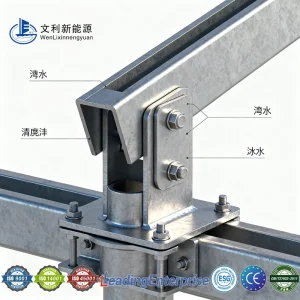
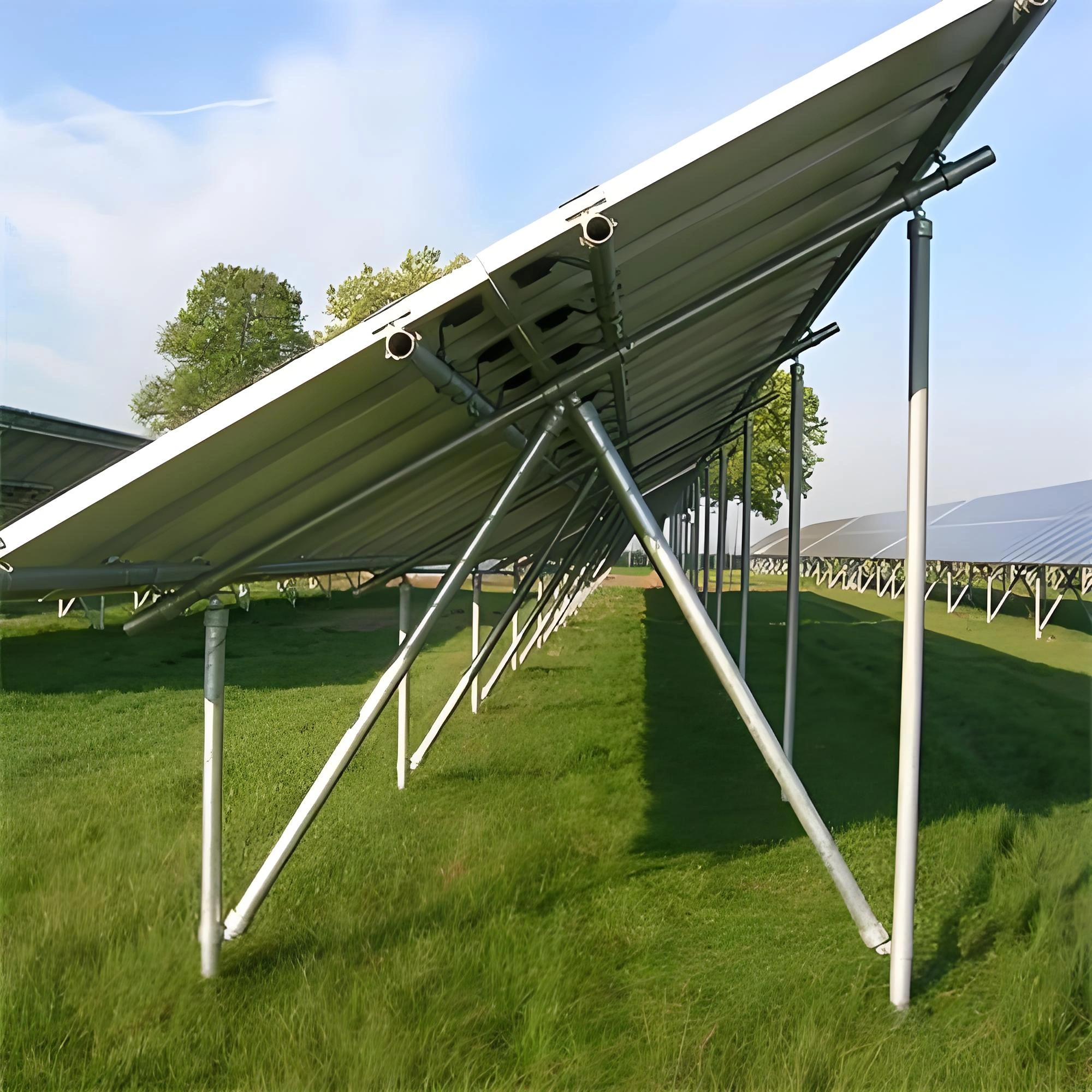
Global solar installations face severe environmental pressures, including wind loads up to 240 km/h and heavy snow loads. Standard brackets fail under dynamic wind flutter, requiring high-yield strength structural profiles (such as Al 6005-T5 and hot-dip galvanized steel Q355B) designed with advanced finite element modeling (FEA).
High labor costs in North America and Europe demand plug-and-play mounting hooks, pre-assembled brackets, and click-on rails. Designing kits that cut down-site assembly times by 35% translates to significant labor savings and minimized safety risks during high-elevation roofing installations.
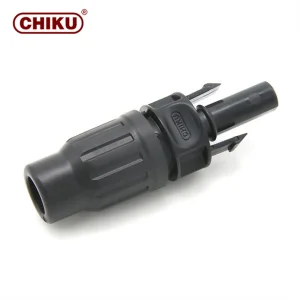
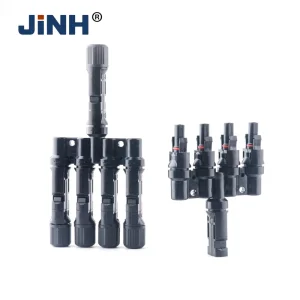
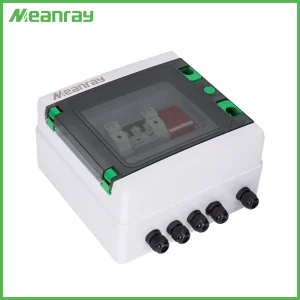
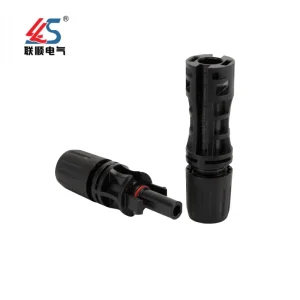
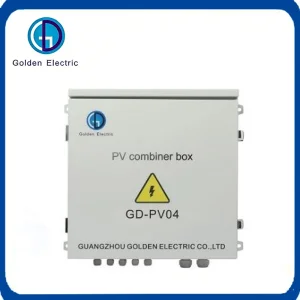
Modern commercial arrays utilize high-capacity string inverters and higher system voltages (up to 1500V DC). Connecting these systems requires smart, outdoor-rated combiner boxes, premium DC connectors (MC4 standard), and robust cable protection to prevent insulation faults and ground arcs.
A comparative evaluation of material selections optimized for distinct environments and applications.
| Material Class | Common Applications | Tensile Strength (MPa) | Corrosion Resistance | Typical Lifetime |
|---|---|---|---|---|
| Al 6005-T5 Aluminum | Roof Rails, Carport Frames, Floating Structures | ≥ 260 | Excellent (Anodized Layer ≥ 10μm) | 25+ Years |
| Q235B / Q355B Steel (HDG) | Ground-Mounted Piles, Heavy Flat Roof Ballasts | 375 - 490 | High (Galvanization Thickness ≥ 85μm) | 25+ Years |
| Stainless Steel SUS304 / 316 | Roofing Hooks, Cable Clips, Grounding Washers | ≥ 505 | Superior (High Ambient Salinity & Marine) | 30+ Years |
High-Volume, Precision Manufacturing Driven by State-of-the-Art Automation.
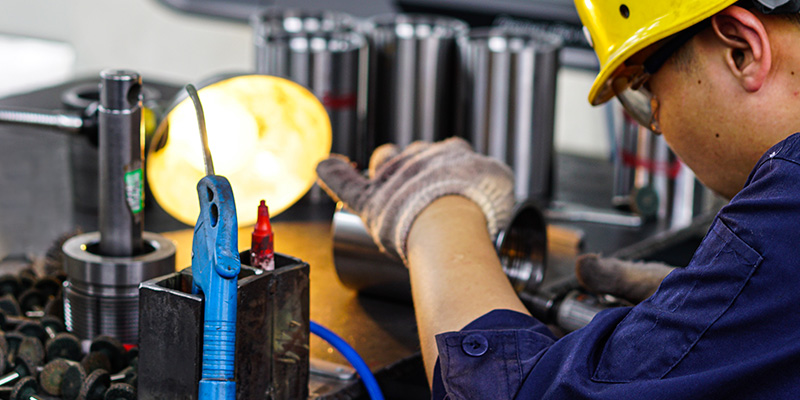
Our dual production bases in Hebei ShijingChangTian and Xingtai ChangTian span a total footprint of 25,000 square meters. Equipped with automated cold-roll forming lines, high-precision laser cutting tables, and robotic welding stations, we maintain absolute consistency in dimensional tolerances. This scale allows us to easily handle high-volume utility projects without compromising quality.
Our manufacturing model integrates rigorous internal testing to monitor chemical composition and physical performance metrics across production batches:
From standard residential roofs to harsh marine environments, our engineered mounting solutions ensure safety and performance.
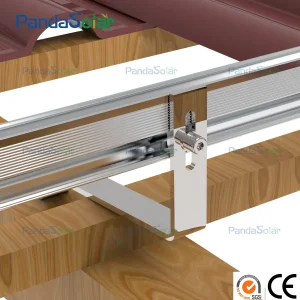
Using our specialized stainless steel hooks, we protect the underlying roof layout while ensuring strong load transfer directly to the rafters. Highly adjustable brackets handle variations in tile thickness, keeping your solar array flush and secure.
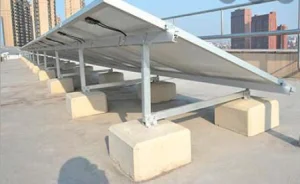
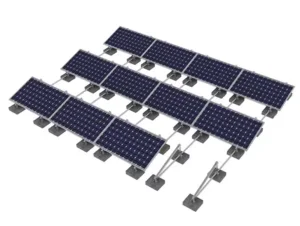
For installations where roof penetration is not allowed, our concrete-steel ballasted structures use gravity-stable frames. Aerodynamic deflectors minimize wind lift while maintaining the waterproofing of flat roofs.
Integrating PV modules with structural vehicle shelters transforms large parking spaces into clean energy powerhouses. Our carports use heavy-duty aluminum or galvanized steel profiles designed to support long spans and heavy snow loads.
Designed for reservoirs, treatment plants, and coastal areas. High-density polyethylene (HDPE) pontoons combined with corrosion-resistant, anodized aluminum alloys resist continuous exposure to salt air and constant wave motion.
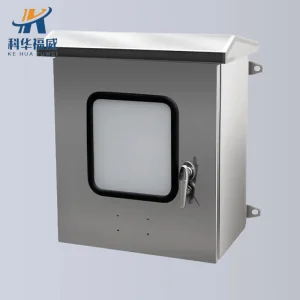
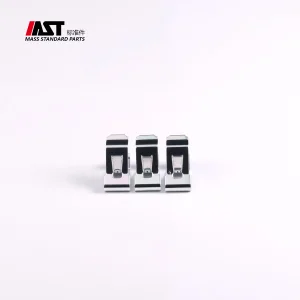
High-durability distribution boxes, water-resistant electrical connectors, and precision hardware options.
Expert insights on sourcing, structural installation standards, and environmental resistance.
 Trope Solar