Designed to safeguard critical solar architectures against extreme lightning threats and thermal fluctuations in central Africa.
Analyzing the unique environmental and electrical complexities of the Democratic Republic of the Congo.
The Democratic Republic of the Congo (DRC) is undergoing a massive decentralized energy revolution. Spurred by the pressing demand of the global transition towards clean tech minerals, massive copper and cobalt extraction enterprises located in regions like Katanga, Lualaba, and Kolwezi require absolute power continuity. Grid electrification from the National Electricity Company (Société Nationale d'Électricité - SNEL) remains limited, leaving vast industrial networks, mining concessions, and agricultural collectives reliant on localized hybrid Photovoltaic (PV) installations, battery storage (BESS), and heavy diesel generators.
However, engineering a durable photovoltaic system in the DRC introduces harsh environmental challenges that standard electrical components cannot survive. The Congo basin presents some of the highest Keraunic levels (lightning strike density) globally, alongside high relative humidity, elevated ambient temperatures exceeding 40°C, and heavy metallic dust contamination in active mining fields. These variables degrade standard DC switchgear, trigger premature component aging, and cause frequent circuit failures if not properly insulated.
“For solar infrastructure in the DRC to maintain a return on investment (ROI), electrical distribution systems must satisfy extreme environmental standards. High-capacity DC surge protection, ingress protection ratings of IP65/66, and robust thermal management are mandatory parameters—not optional additions.”
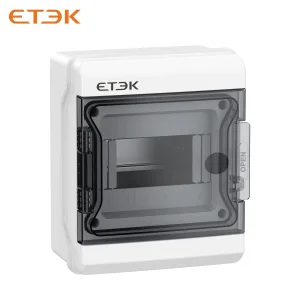
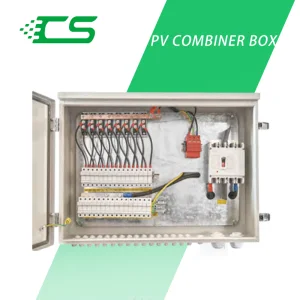
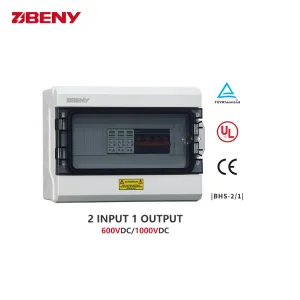
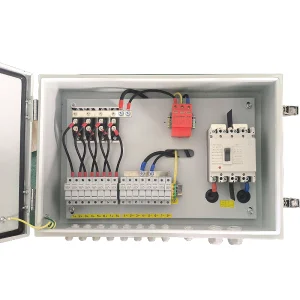
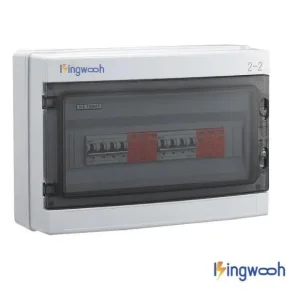
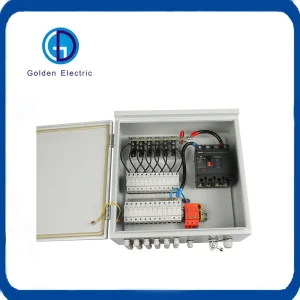
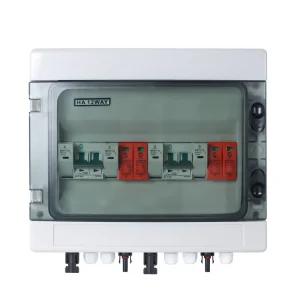
This is where premium-grade PV combiner boxes become crucial. By serving as the junction node where multiple solar strings are combined into a single DC output before feeding into string or central inverters, the combiner box provides primary surge mitigation, overcurrent protection, isolation capabilities, and safety monitoring. For DRC installations, securing this boundary with custom-designed combiner configurations ensures that inverter architectures remain protected from massive transient overvoltages caused by lightning strikes.
How state-of-the-art global design standards translate directly to operational integrity in central African microgrids.
Modern utility-scale and large-scale commercial solar layouts globally have migrated from 1000V DC to 1500V DC architectures. This shift permits longer string configurations, dropping cable management complexity and decreasing total balance-of-system (BOS) components. Our industrial-grade combiner systems accommodate this standard with high-integrity 1500V disconnects and fuse-holders.
Real-time analytics is critical for off-grid C&I operations. Integrating digital monitoring cards within the combiner boxes enables local technicians to monitor individual string currents, overall busbar voltages, enclosure temperatures, and the state of surge protection devices via Modbus RTU or wireless protocols.
Electrical arcing due to broken cables or worn connectors presents extreme fire hazards. Contemporary combiner box enclosures incorporate automated AFCI modules that detect micro-arcing and immediately isolate the affected circuits, adhering to strict international UL 1699B safety guidelines.
Using fiberglass-reinforced polyester (FRP) or polycarbonate materials instead of standard sheet metals prevents oxidation in humid equatorial climates. Specialized pressure-relief valves inside the boxes mitigate condensation without compromising the IP65 seal.
Reliable safety distribution hubs optimized for high-power industrial PV arrays in central Africa.
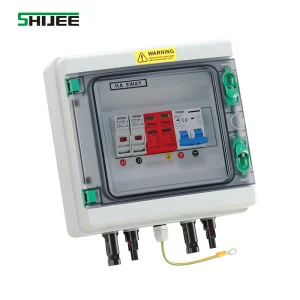
Real-world deployment patterns highlighting the functional versatility of engineered PV combiner boxes.
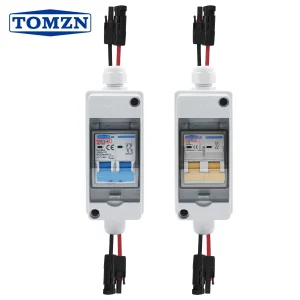
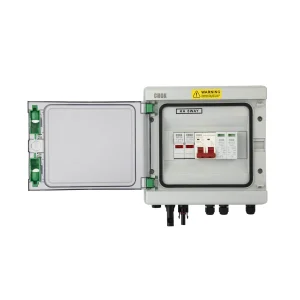
In the copper and cobalt hubs of Lualaba Province, mining processing units and extraction gear operate continuously. Diesel fuel transportation to remote sites involves significant operational expenses and logistical risks. Hybrid PV-Diesel microgrids (ranging from 1MW to 15MW) have emerged as the standard approach. In these massive arrays, hundreds of solar strings must be aggregated safely. Industrial-grade combiner boxes equipped with Class I/II Type 2 Surge Protection Devices (SPDs) and motorized DC circuit breakers are deployed at the string level, ensuring that lightning strikes on the mounting structures do not damage central inverter containers or battery storage banks.
Localized solar microgrids provide critical power to clinics, residential zones, and water purification facilities in regional hubs like Goma and Bukavu. Because maintenance crews may not always be nearby, these systems require highly autonomous safety gear. Implementing combiner boxes with embedded Modbus RTU communication systems allows operators to monitor current outputs and diagnose issues remotely via satellite or GSM modems, reducing operational overhead.
In the capital city of Kinshasa, manufacturing plants, logistics hubs, and cold-storage warehouses are deploying rooftop PV installations to offset grid unreliability and high electricity tariffs. In urban environments, minimizing structural fire hazards is paramount. The use of combiner boxes with integrated Rapid Shutdown (RSD) and Arc Fault Detection (AFCI) technologies ensures compliance with modern safety codes, allowing local emergency services to quickly de-energize the entire DC array if needed.
How Hebei Trope Solar Co., Ltd. delivers integrated mounting and safe power distribution solutions.
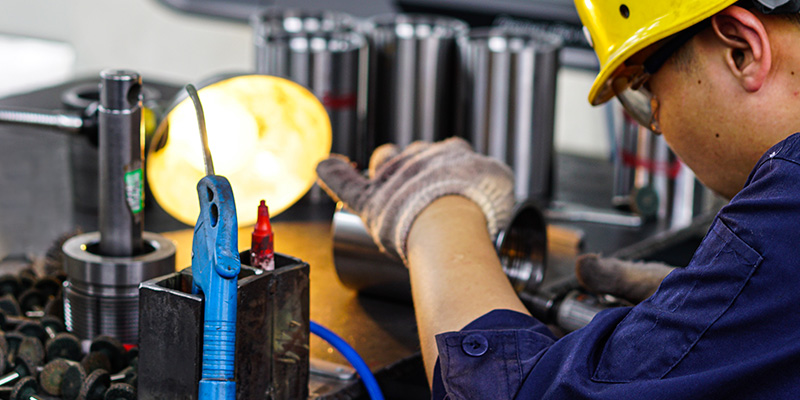
Hebei Trope Solar Co., Ltd. is a leading manufacturer specializing in the research, development, design, production, and sales of photovoltaic support systems and related accessories. We provide comprehensive, end-to-end supply chain solutions for solar energy projects, ensuring optimal support and performance for photovoltaic systems.
With two state-of-the-art production facilities in Hebei ShijingChangTian and Xingtai ChangTian, covering a combined area of 25,000 square meters, our company is equipped with a range of advanced automated production lines. Our product portfolio includes photovoltaic brackets, piles, braces, hot-dip galvanized bolts, anchor bolts, and other essential components for solar installations.
At Hebei Trope Solar Co., Ltd., we are committed to shaping a new standard in the photovoltaic support industry. Our mission is to provide customers with the highest-quality solar support systems and efficient bolt procurement solutions. Leveraging strong technical expertise, cutting-edge production equipment, and a rigorous self-inspection system, we have laid a solid foundation for sustainable growth and long-term success.
We are driven by a commitment to excellence, integrity, and innovation. Through continuous improvement and a focus on product quality, we ensure that our solutions meet the most demanding industry standards. Our team adheres to strict quality control measures at every stage of production, from raw material selection to final inspection, ensuring the reliability and durability of our products in all environments.
In addition to serving the domestic market, Hebei Trope Solar Co., Ltd. is dedicated to expanding our reach globally, providing world-class solar support products to international clients. Our customer-first philosophy, coupled with our expertise in photovoltaic solutions, makes us a trusted partner for solar power developers and installers worldwide.

Engineering checklist for procuring and configuring solar combiner boxes in tropical high-altitude environments.
To ensure high operational availability of solar arrays in regions like Lualaba or North Kivu, engineers should evaluate several technical parameters when configuring combiner boxes:
Hebei Trope Solar's engineering team works closely with project developers to ensure that the electrical designs of our PV combiner boxes align with the wind-load ratings and mechanical layouts of our ground piles and galvanized tracker systems, providing a unified solution from structural design to grid interconnection.
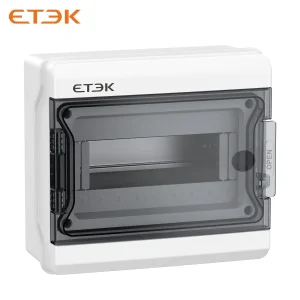
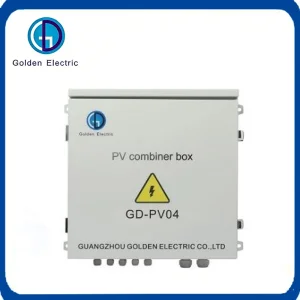
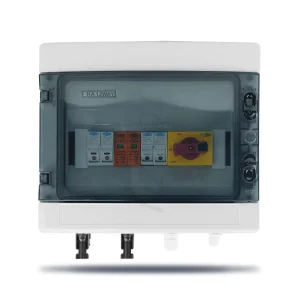
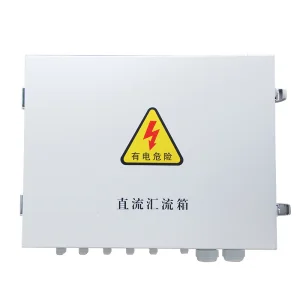
Comprehensive range of combiner systems for residential, commercial, and utility-scale PV arrays.
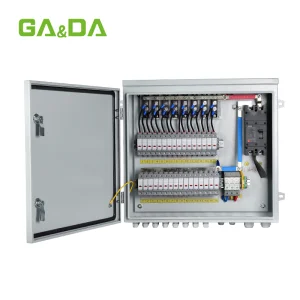
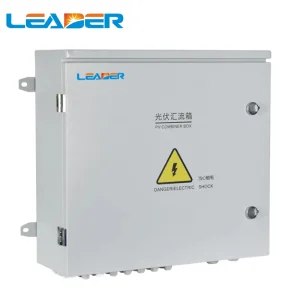
Critical technical and logistical information for solar power developers in the Democratic Republic of the Congo.
For installations in the DRC, particularly in mining areas like Kolwezi or dusty regions, a minimum rating of IP65 is required. However, for industrial settings with heavy dust and torrential rainfall, IP66 offers better protection. Enclosures should also feature UV-resistant properties to withstand intense solar radiation.
The DRC has high lightning strike density. Standard Type 2 Surge Protection Devices (SPDs) may deteriorate quickly. We recommend utilizing heavy-duty Type 1+2 DC SPDs rated up to 1000V/1500V DC. Incorporating remote signaling allows operators to monitor the status of the surge arrestors and replace them before subsequent surges occur.
The tropical climate in the DRC experiences high day-to-night temperature variations. This causes moisture in the air to condense inside sealed boxes. Integrating breathable, IP65-rated condensation vents helps balance internal and external pressure, expelling moisture while keeping dust out.
The system voltage depends on the inverter selection and the overall array size. Large-scale installations generally use 1500V architectures to maximize string length and minimize wiring costs. Off-grid systems and smaller commercial rooftops often rely on standard 1000V configurations.
We supply both the mounting structures (hot-dip galvanized steel piles, brackets, and clamps) and the electrical distribution accessories. Our designs ensure that the combiner boxes can be securely mounted to the racking systems, keeping cables organized and protected from mechanical wear.
We offer direct shipping to major transit hubs, including Matadi port for western projects, and via Dar es Salaam or Mombasa ports for eastern regions like Katanga and Kivu. Our packaging complies with international export standards to prevent damage during long-distance transit.
 Trope Solar