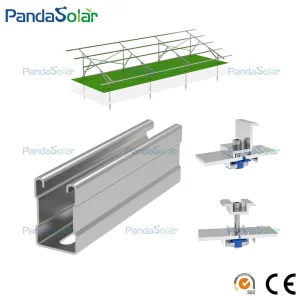
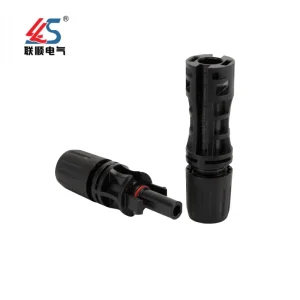
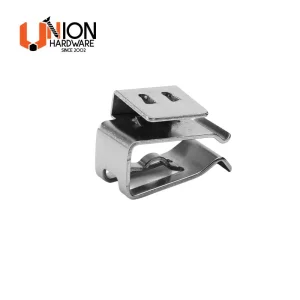
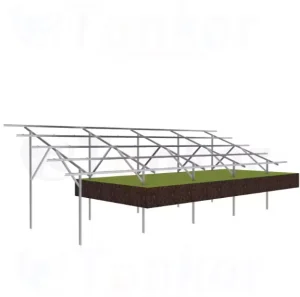
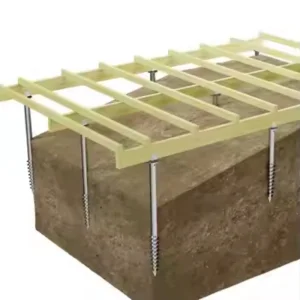
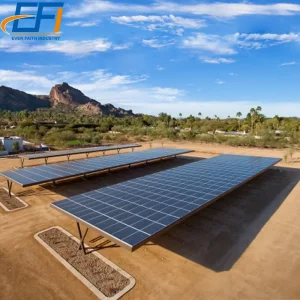
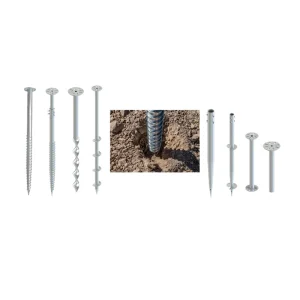
As global clean energy initiatives accelerate, the paradigm of solar power distribution has transitioned from basic module installation to highly integrated structural and electrical engineering. Modern solar installations require robust mechanical stability combined with optimized power routing systems to ensure maximum lifecycle output and safety. In utility-scale and commercial & industrial (C&I) installations, the mechanical framework—including photovoltaic brackets, ground anchor screw piles, and combiner enclosures—acts as the foundational skeleton that guarantees continuous power transmission under severe weather stress.
According to the Google Search Quality Rater Guidelines, authoritative information in high-stakes fields like clean energy infrastructure must demonstrate E-E-A-T (Experience, Expertise, Authoritativeness, and Trustworthiness). This document functions as an industry guide, detailing how precision manufacturing, localized structural adaptation, and robust material selection significantly reduce the Levelized Cost of Energy (LCOE) while increasing the long-term reliability of solar distribution assets globally.
Hebei Trope Solar Co., Ltd. is a leading manufacturer specializing in the research, development, design, production, and sales of photovoltaic support systems and related accessories. We provide comprehensive, end-to-end supply chain solutions for solar energy projects, ensuring optimal support and performance for photovoltaic systems.
With two state-of-the-art production facilities in Hebei ShijingChangTian and Xingtai ChangTian, covering a combined area of 25,000 square meters, our company is equipped with a range of advanced automated production lines. Our product portfolio includes photovoltaic brackets, piles, braces, hot-dip galvanized bolts, anchor bolts, and other essential components for solar installations.
At Hebei Trope Solar Co., Ltd., we are committed to shaping a new standard in the photovoltaic support industry. Our mission is to provide customers with the highest-quality solar support systems and efficient bolt procurement solutions. Leveraging strong technical expertise, cutting-edge production equipment, and a rigorous self-inspection system, we have laid a solid foundation for sustainable growth and long-term success.
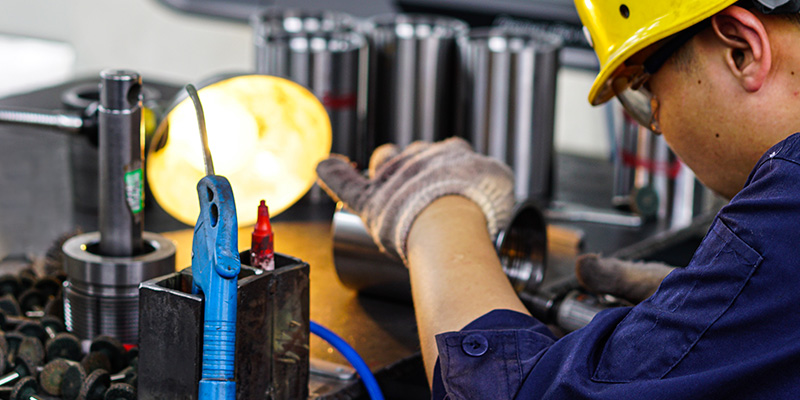
We are driven by a commitment to excellence, integrity, and innovation. Through continuous improvement and a focus on product quality, we ensure that our solutions meet the most demanding industry standards. Our team adheres to strict quality control measures at every stage of production, from raw material selection to final inspection, ensuring the reliability and durability of our products in all environments.
In addition to serving the domestic market, Hebei Trope Solar Co., Ltd. is dedicated to expanding our reach globally, providing world-class solar support products to international clients. Our customer-first philosophy, coupled with our expertise in photovoltaic solutions, makes us a trusted partner for solar power developers and installers worldwide.
We are passionate about the future of renewable energy and are proud to contribute to the global transition to sustainable solar power through our innovative products and services.

Photovoltaic systems cannot follow a one-size-fits-all manufacturing process. Depending on terrain, latitude, wind dynamics, and soil load capacities, localized engineering is essential. Below are the key scenarios where Hebei Trope Solar’s structural systems are actively implemented:
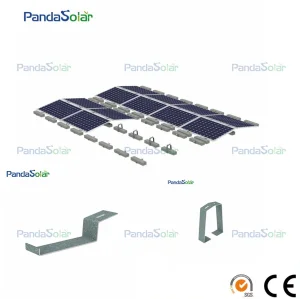
Designed for industrial concrete roofs where membrane penetration is strictly prohibited. Incorporating customizable triangular frames and ballasted pans, these systems balance mechanical load requirements and localized wind lift coefficients using high-grade galvanized profiles and SUS 304 fasteners.
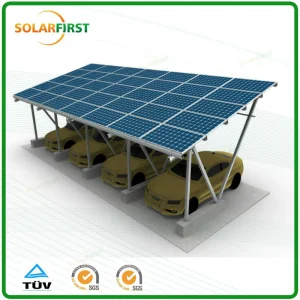
High-growth solutions in municipal parking zones and commercial shopping complexes. Utilizing specialized aluminum alloys (AL6005-T5) and advanced structural rubber gaskets, these systems achieve double-duty functionality: offering weatherproof car shelter while acting as active grid-tied micro-generation nodes.
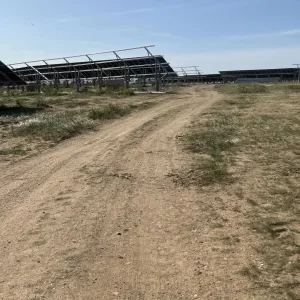
High ambient humidity, salt mist, and blowing sand test the boundaries of material longevity. By specifying ultra-high thickness hot-dip galvanization (HDG > 85μm) and utilizing structural ground screw piles instead of shallow concrete blocks, our systems resist galvanic corrosion and severe sand uplift forces.
The solar support framework is no longer just static steel. The integration of bifacial solar modules demands tracking mechanisms and structural layouts that minimize rear-side shading. Our technology roadmap outlines the alignment of Hebei Trope Solar systems with next-generation power distribution expectations:
"Structural mechanics must adapt to multi-axis tracking systems and low-clearance parameters, requiring tighter tolerances and highly consistent metallurgy."
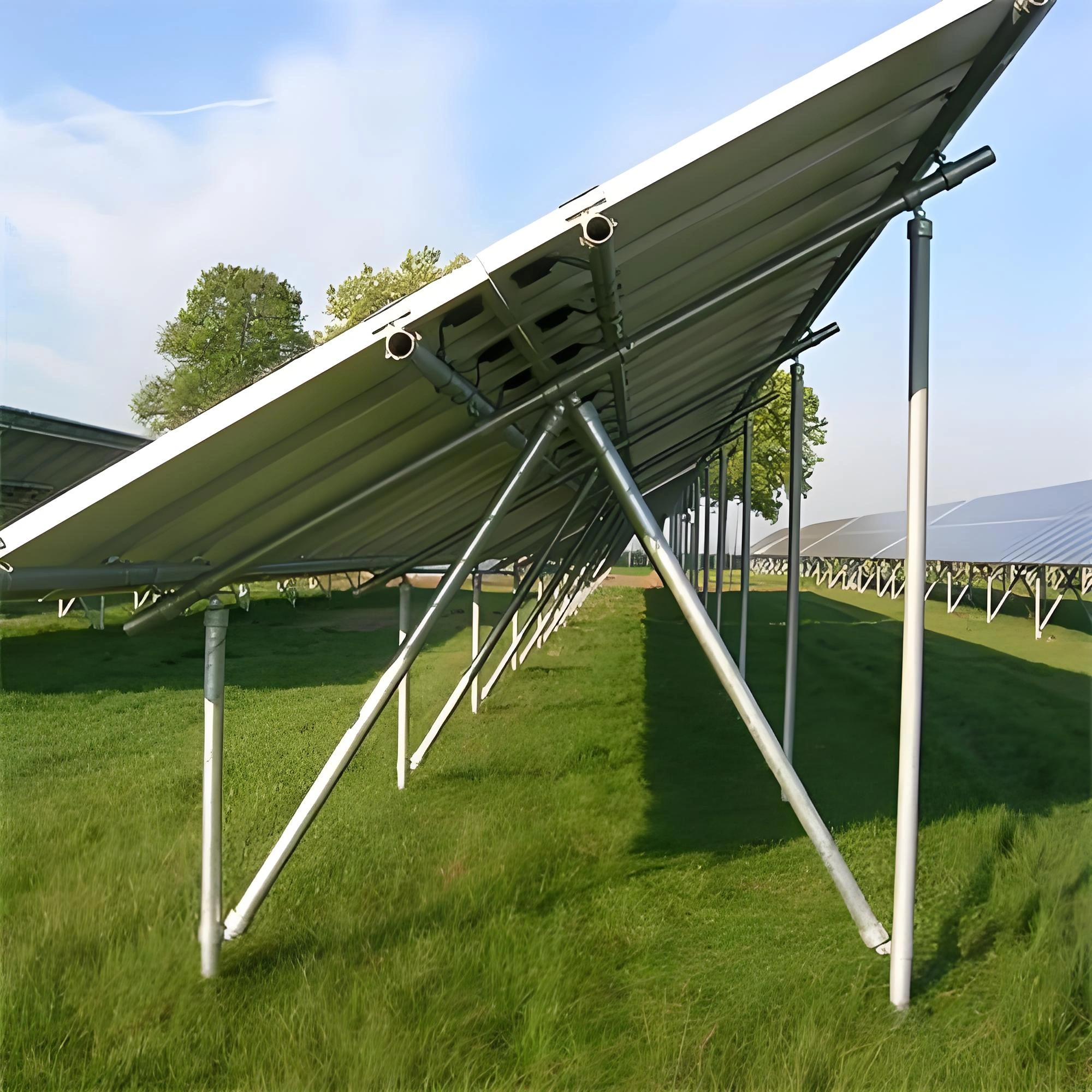
In solar EPC (Engineering, Procurement, and Construction) operations, project delays can lead to heavy financial penalties. The structural support system accounts for a significant portion of the bill of materials (BOM), making reliable supply chain management crucial.
Our dual-facility production infrastructure across Hebei and Xingtai provides significant logistic and capacity advantages:
As solar projects scale globally, meeting regional engineering codes and certification parameters is essential for project approvals and insurance compliance. We align our structural designs with internationally recognized building regulations, including:
Hebei Trope Solar provides comprehensive structural documentation, material mill certificates, and finite element calculations. This technical support helps project engineers and developers obtain local authority approvals efficiently, preventing project delays.
Below are solutions to common technical and structural challenges encountered during solar installation design:
 Trope Solar