Engineered for Durability, Precision, and Maximum Energy Yield
The global solar energy landscape is undergoing a paradigm shift. As traditional rigid silicon panels reach their physical limits in terms of weight and versatility, flexible solar panels have emerged as the "frontier technology" for the next decade. These lightweight, bendable modules are not merely a variation of standard PV; they represent a fundamental change in how we integrate energy generation into our urban and natural environments.
From the curved roofs of modern architectural masterpieces to the decks of ocean-crossing yachts and the surfaces of mobile off-grid housing, flexible panels provide Information Gain through their unique adaptability. This whitepaper analyzes the top 10 factories and exporters, focusing on those who provide not just hardware, but integrated systemic solutions including advanced mounting structures and localized compliance expertise.
Efficiency Benchmark
Lighter Weight
Lifecycle Target
Global Markets
A Pillar of Excellence in Photovoltaic Support Systems
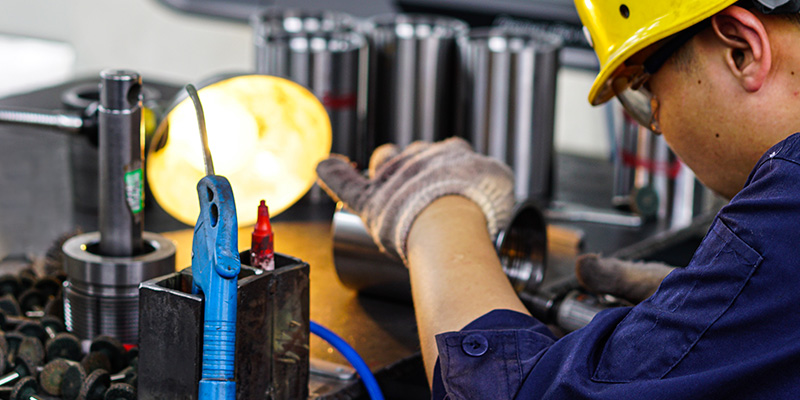
Hebei Trope Solar Co., Ltd. stands as a premier manufacturer specializing in the comprehensive lifecycle of solar support infrastructure—from R&D and design to global export. We provide end-to-end supply chain solutions that ensure the structural integrity and performance of photovoltaic systems in the most demanding environments.
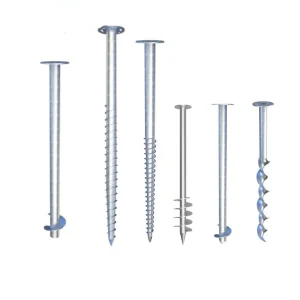
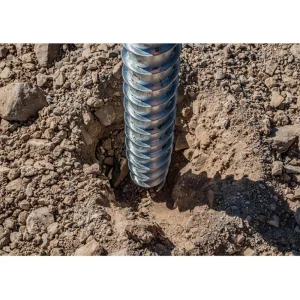
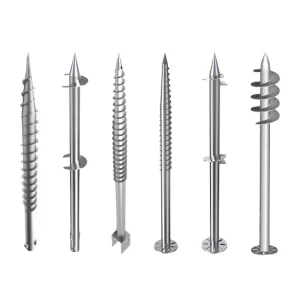
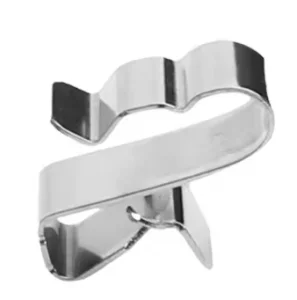
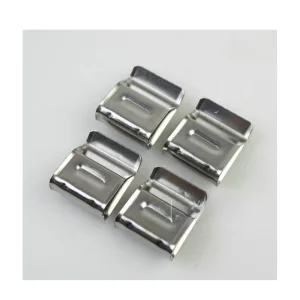
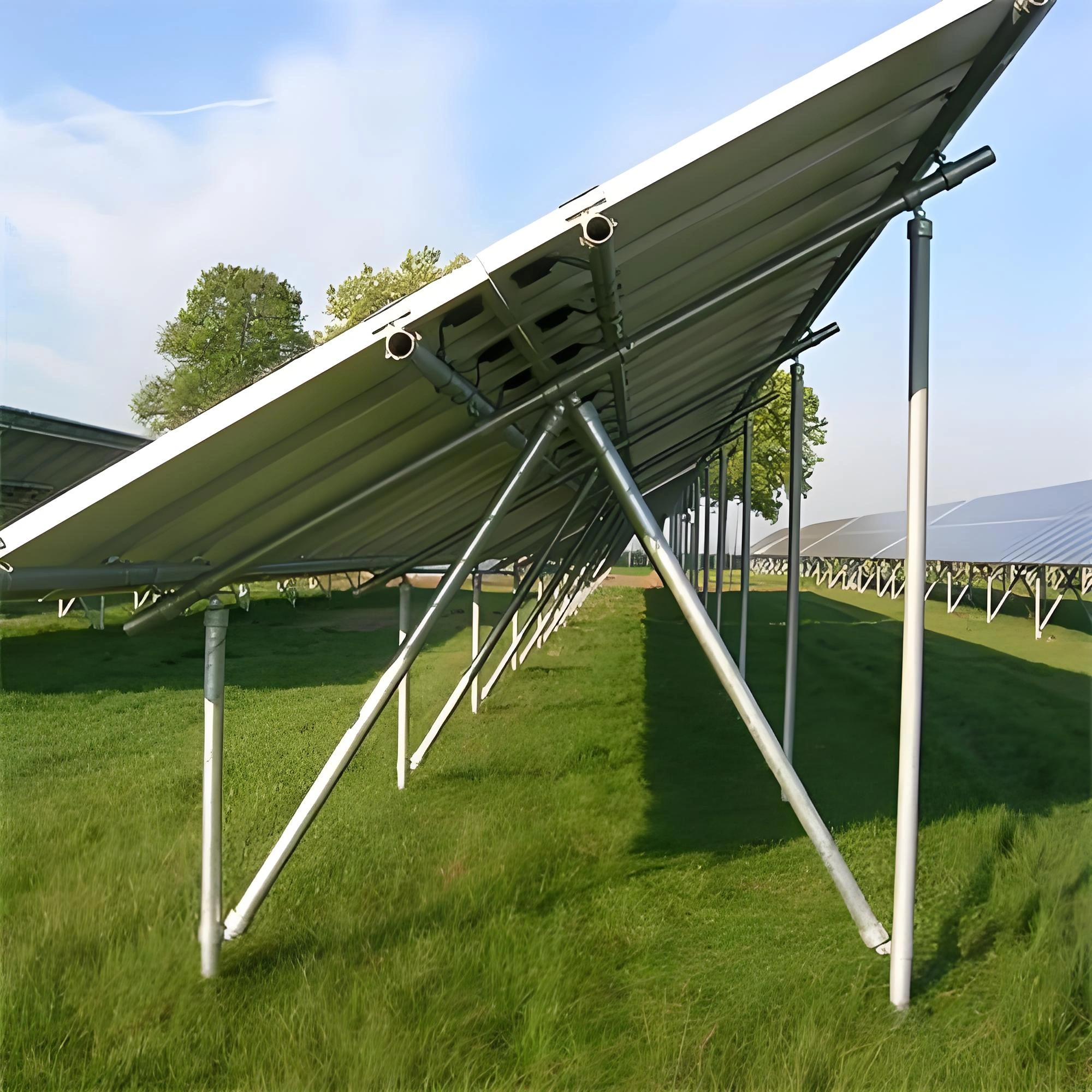
Operating out of two advanced facilities in Hebei ShijingChangTian and Xingtai ChangTian, our 25,000-square-meter footprint is powered by automated production lines. Our portfolio includes specialized PV brackets, adjustable piles, braces, and high-strength hot-dip galvanized components.
Our mission is to redefine industry standards through uncompromising quality and technical innovation. By integrating rigorous self-inspection systems with cutting-edge equipment, we provide a foundation for sustainable energy growth worldwide.
Building-Integrated Photovoltaics (BIPV) is moving from niche to mainstream. Flexible panels are now being fused directly with roofing membranes (TPO/EPDM) to create "energy-generating skins" for industrial warehouses.
The shift from PET to high-grade ETFE (Ethylene Tetrafluoroethylene) coatings has extended the lifespan of flexible modules to over 20 years, resisting UV degradation and saline corrosion in maritime environments.
While Monocrystalline Silicon remains the efficiency king, CIGS (Copper Indium Gallium Selenide) technology is gaining ground due to its superior performance in low-light conditions and extreme flexibility.
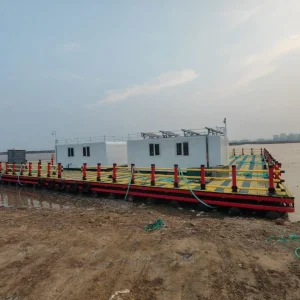
As land prices rise, floating solar platforms (utilizing our inflatable floating docks) are becoming the preferred choice for reservoirs and hydropower hybrid systems.
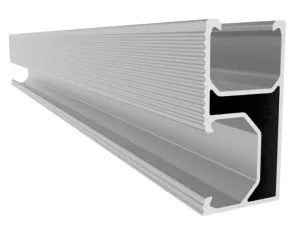
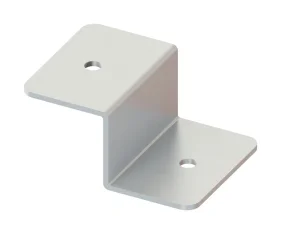
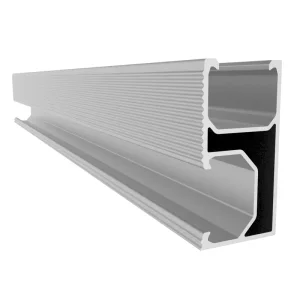
Yachts and RVs require non-penetrating mounting. Our Z-brackets and flexible mounting rails allow for high-speed aerodynamic stability without damaging the vehicle surface.
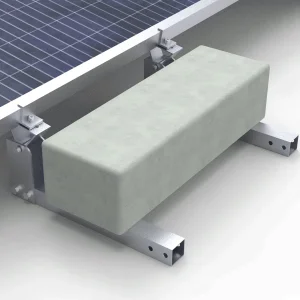
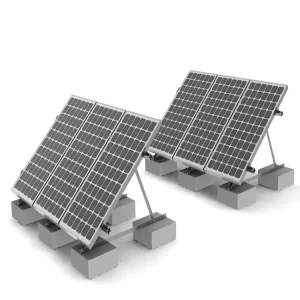
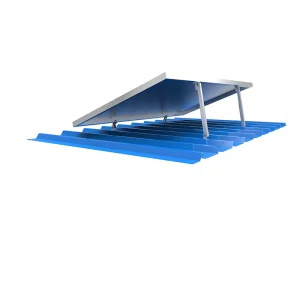
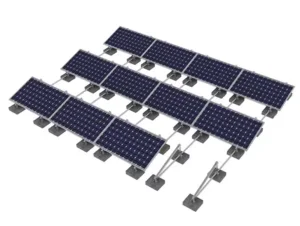
Older factories often have roof weight restrictions. Lightweight flexible panels, supported by ballasted non-penetrating racks, allow these facilities to adopt solar without structural reinforcement.
Global enterprises now demand "Green Steel" components and low-carbon manufacturing processes, areas where Trope Solar’s automated lines excel.
The next five years will see a convergence of Perovskite-Silicon Tandem cells with flexible substrates, potentially pushing commercial efficiencies toward 30%. However, the challenge remains the thermal management of flexible modules. Unlike rigid panels with air gaps, flexible panels often sit flush against surfaces.
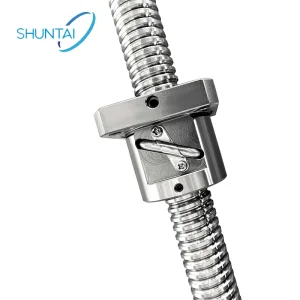
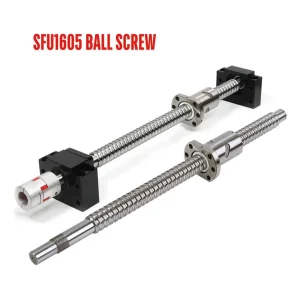
Our future R&D is focused on Micro-Ventilation Mounting Systems. By creating 2-5mm ventilation channels within the mounting rail profile, we can reduce cell temperature by up to 10°C, increasing energy output by 4-5% annually. Additionally, the integration of AI-driven tracking using our precision ball screws will allow even flexible arrays to optimize their angle to the sun in specialized industrial applications.
 Trope Solar