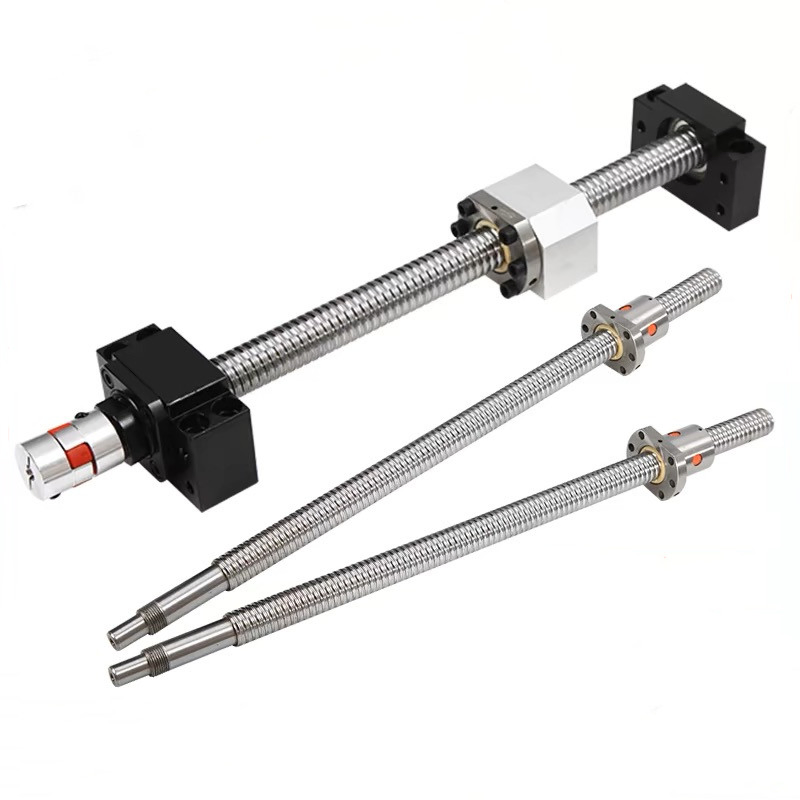
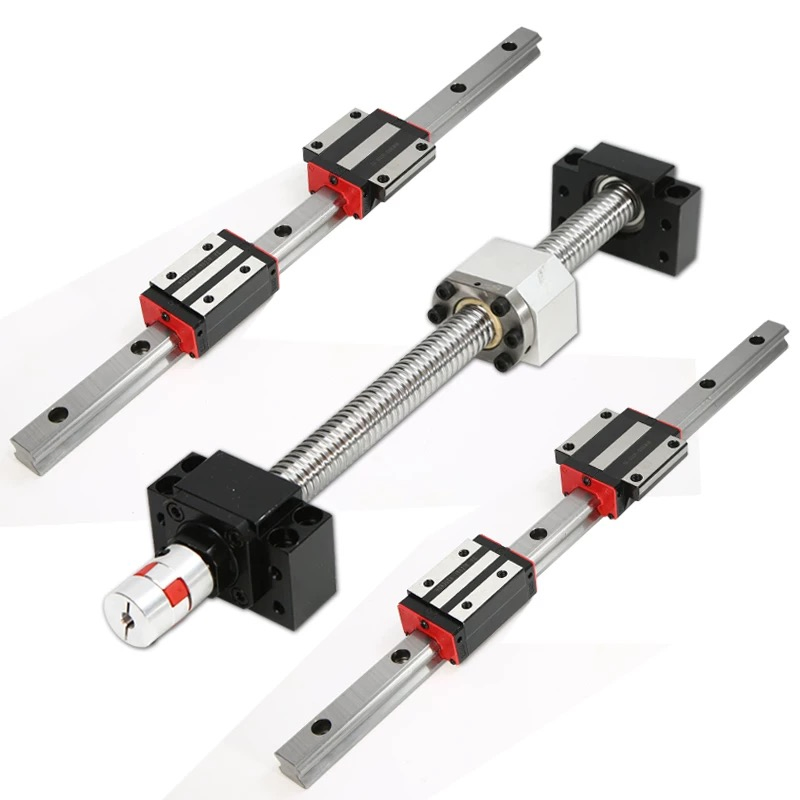
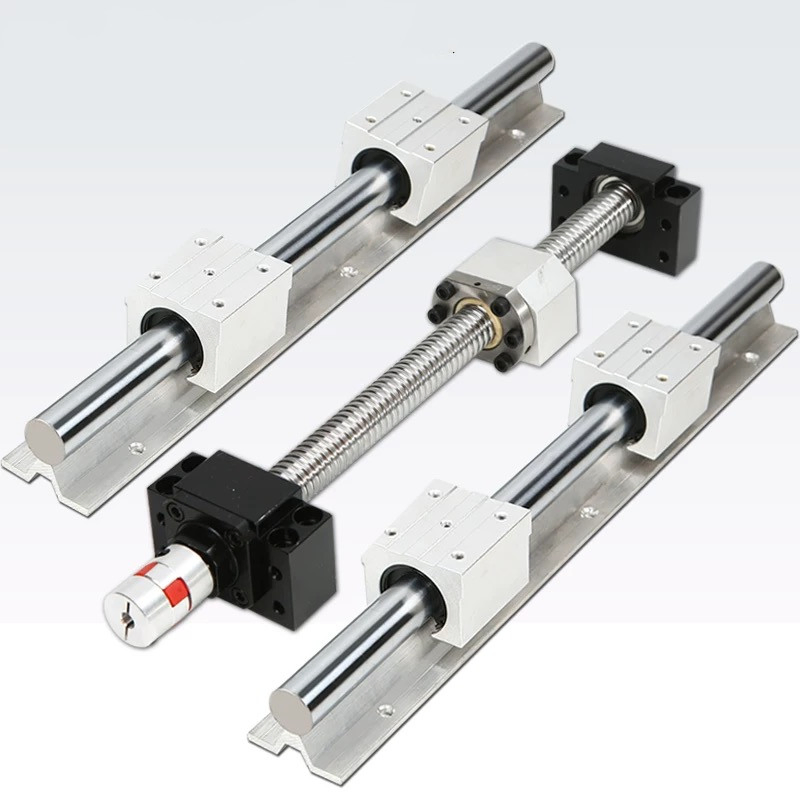
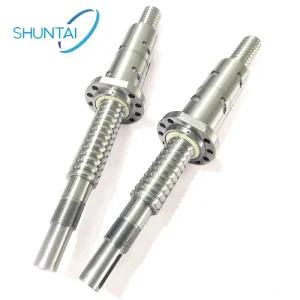
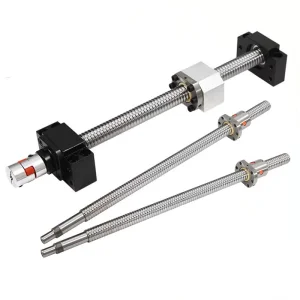
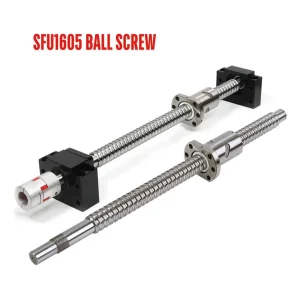
Factory CNC Lead Screw Rotating Nut C7 Precision Ground Ballscrew Sfu Sfnu Dfu Sfs Sfy Sfe Sfi 1204 1605 2505 Rolled Miniature Ball Screw with End Machined

Still deciding? Get samples of $ !
Request Sample

Product Description

i

Basic Information

Model NO.
SFU1605
Nut Type
Circulator
Precision
C7, C5, C3
Screw Diameter
16mm
Lead
5mm
Length
100-6000mm (Customized)
Material
CF53 Carbon Steel, Bearing Steel
Process
Rolled / Ground Thread
Direction
Right
HS Code
8483401090
P

Product Description

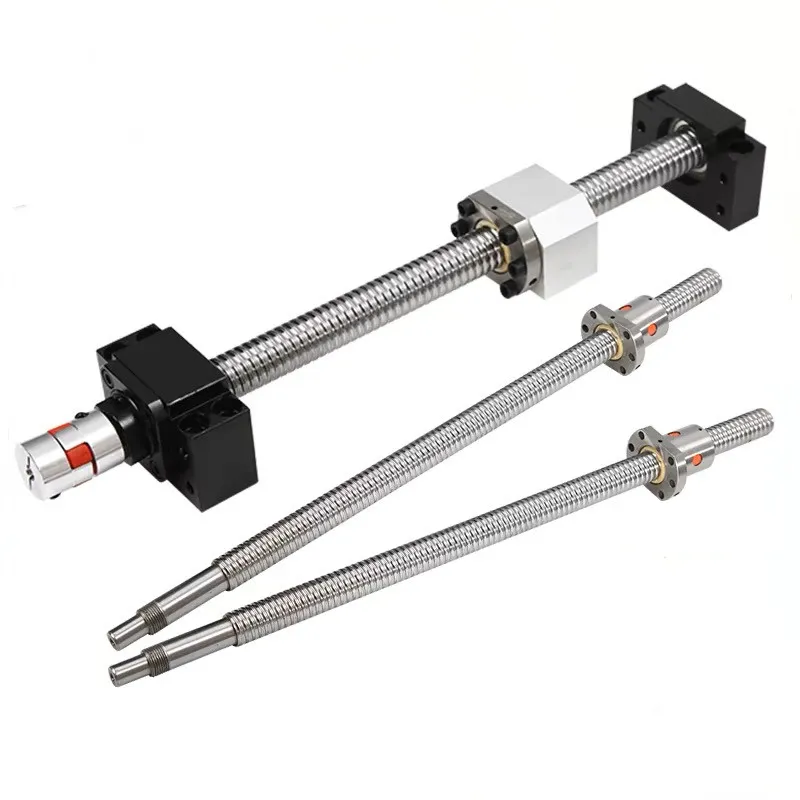
A ball screw is a mechanical device used to convert rotational motion into linear motion with high efficiency and precision. It consists of a screw shaft and a nut that contains balls. The balls roll between the screw threads and the nut, reducing friction and allowing for smoother motion compared to traditional lead screws.
Key Features

  • High Efficiency: Achieve rates of 90% or higher due to rolling contact.
  • Precision: High accuracy in positioning for tight tolerances.
  • Load Capacity: Supports both axial and radial loads versatilely.
  • Low Backlash: Crucial for critical precision applications.
  • Longevity: Long operational life with proper lubrication.
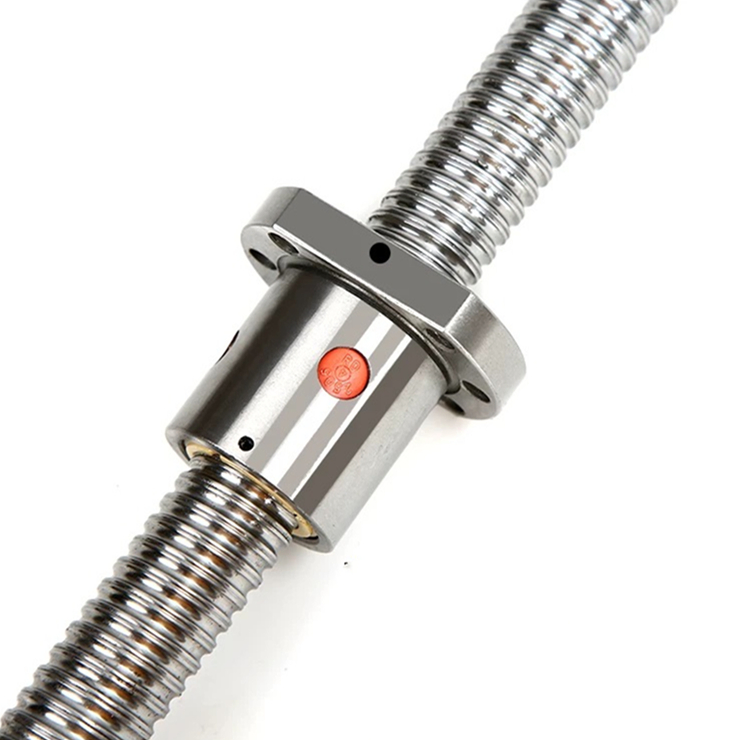
SFU1605 Ball Screw Nut

Full Range & Customization

We provide various series including SFU, SFK, SFS, SFI, SFY, SFA, DFU, and DFI. Each model features specific appearance and performance characteristics suited for different industrial needs.
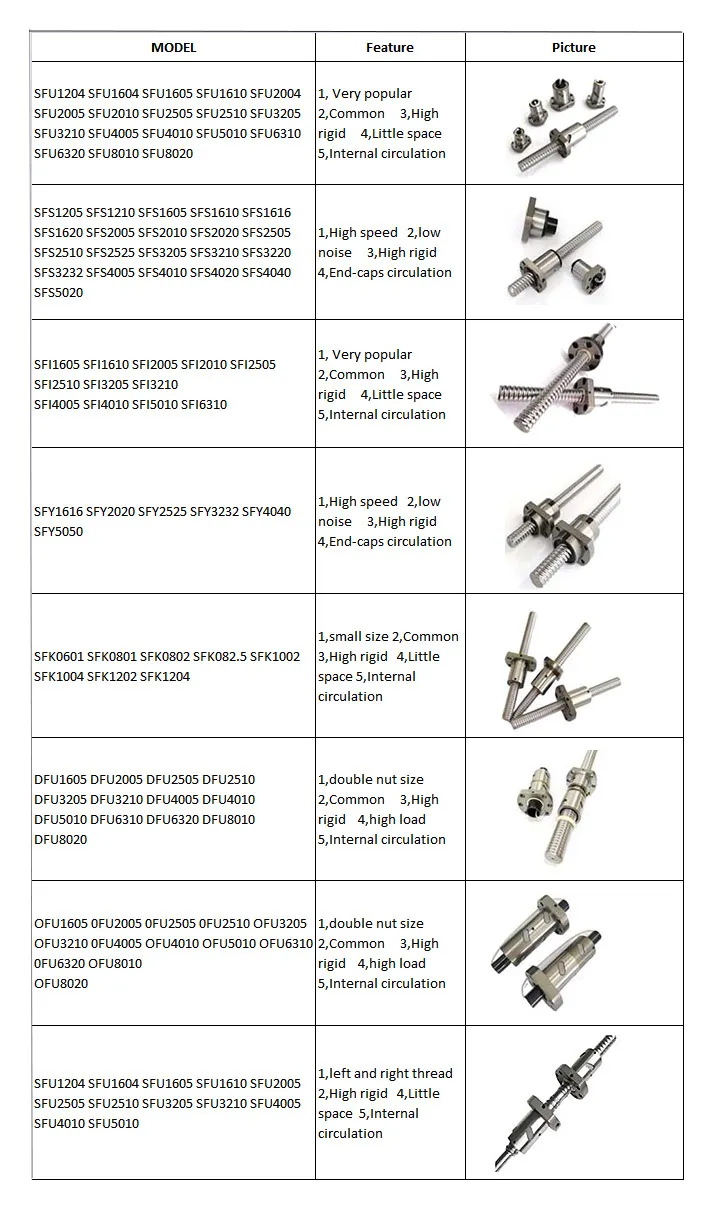
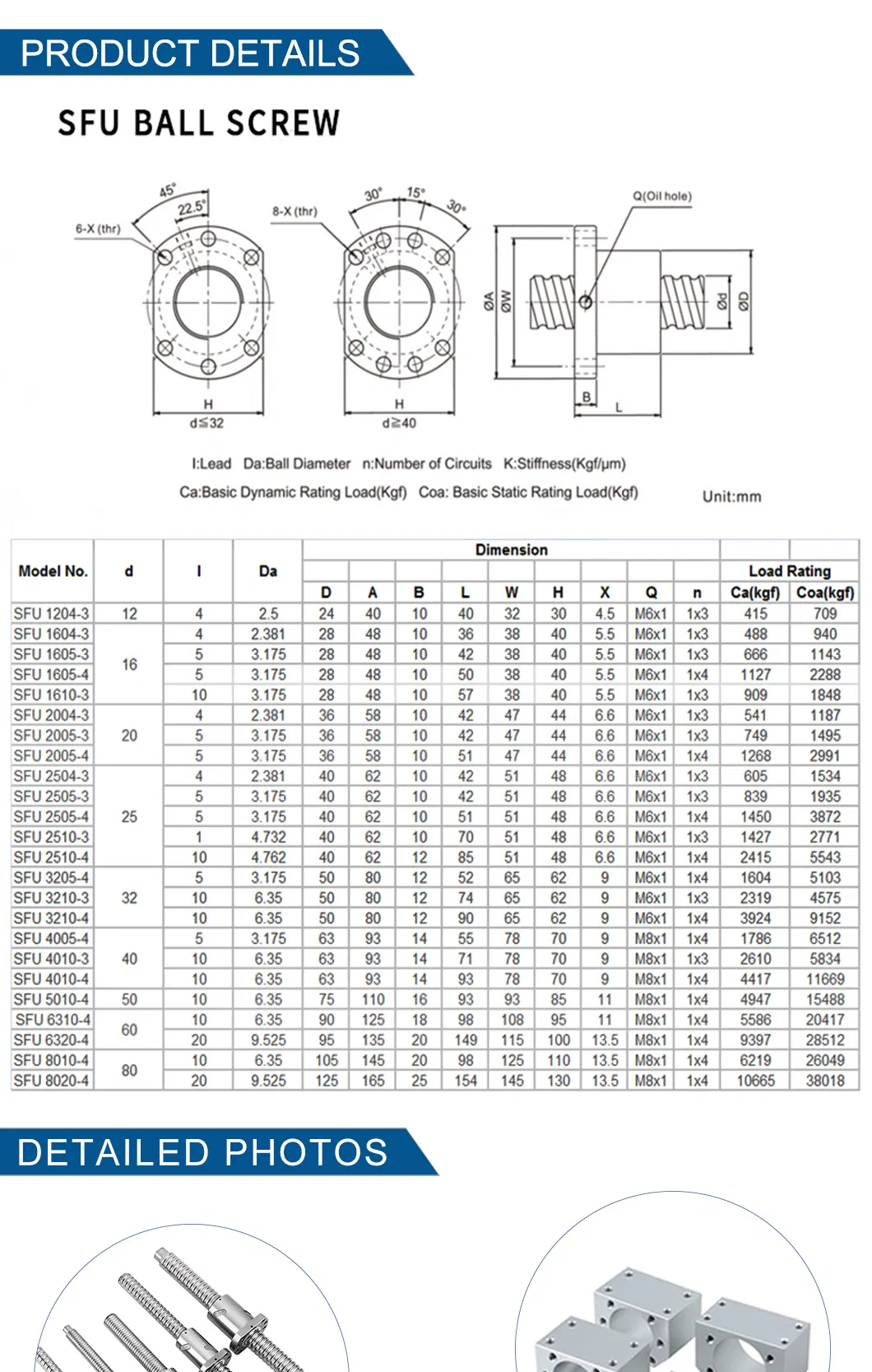
Ball Screw Model Chart

Custom End Machining: We can machine the two end sides of ball screw shafts according to your requirements, including keyways, threading, drilled and tapped holes, milling flats, and ring grooves.
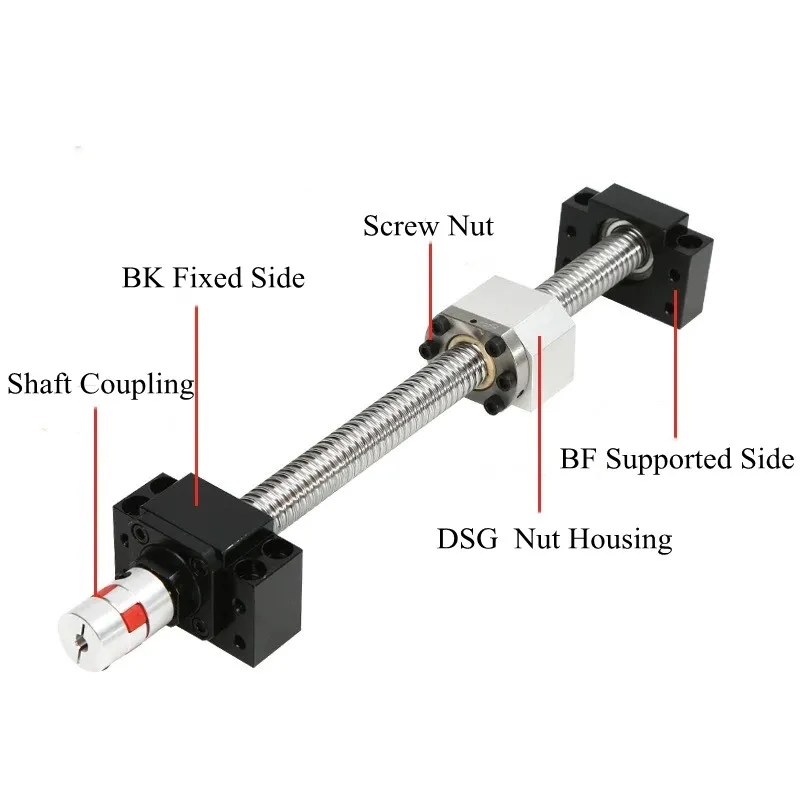
Linear Motion Parts
S

Installation Guide

Proper assembly of a ball screw is crucial for performance and longevity. Follow these standard steps for installation:
Step 1Preparation: Gather components (Screw, Nut, Balls) and tools like grease and wrenches.
Step 2Ball Insertion: Carefully place the balls into the ball nut grooves evenly.
Step 3End Caps: Securely attach the end caps to hold balls in place.
Step 4Alignment: Ensure the screw and nut are perfectly aligned before engagement.
Step 5Nut Installation: Slide the nut onto the shaft engaging the helical grooves.
Step 6Secure Assembly: Tighten fasteners to ensure there is no unnecessary play.
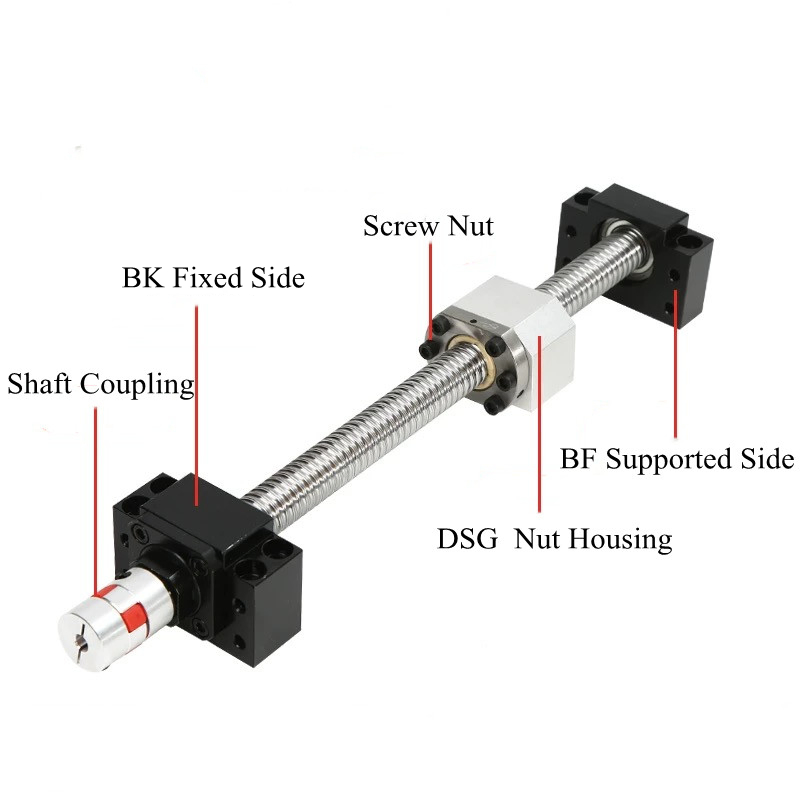
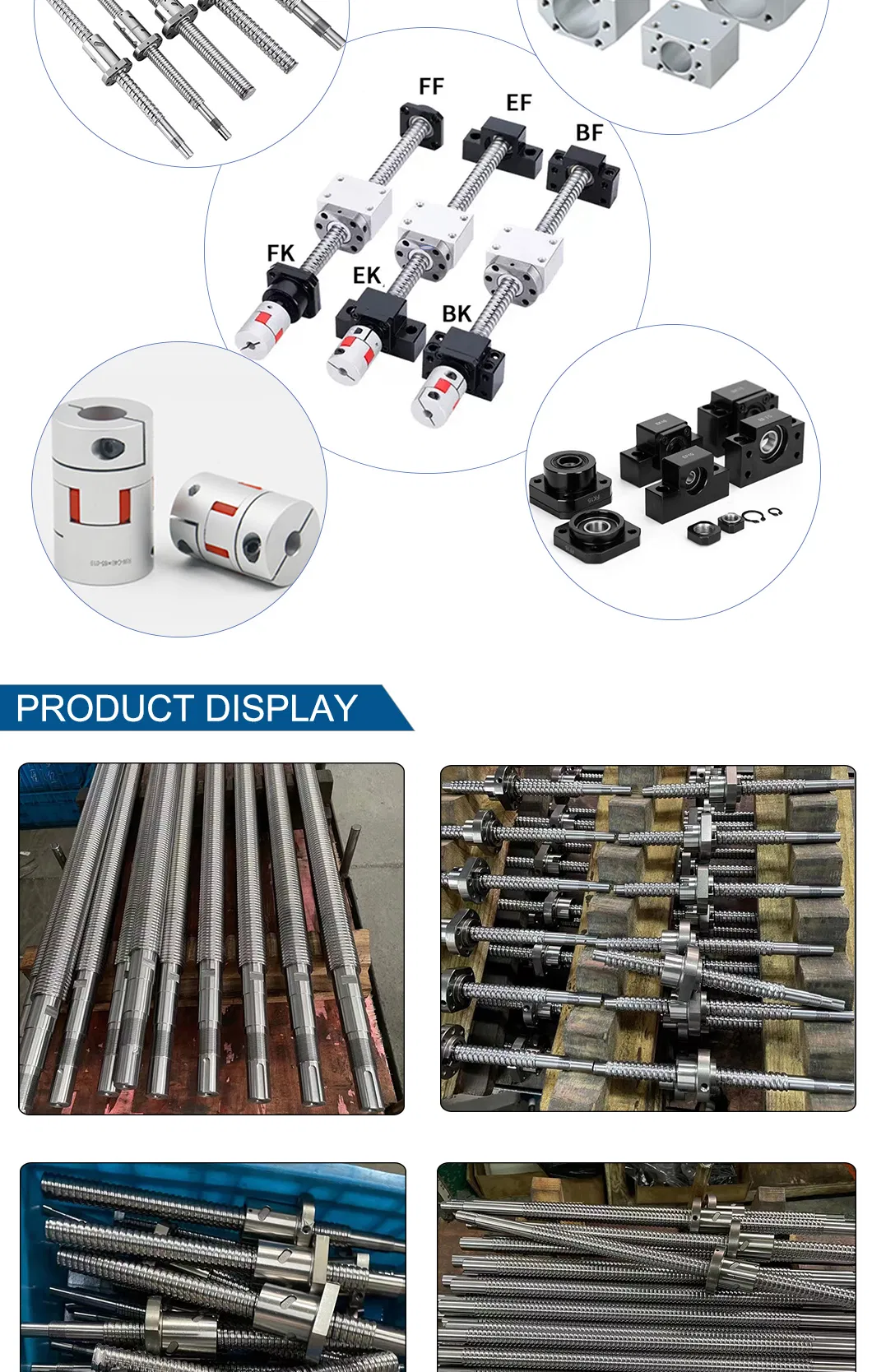
Step 7Bearings: Install support bearings (FK/FF or BK/BF) at both ends.
Step 8Lubrication: Apply appropriate grease to reduce wear and friction.
Step 9Testing: Manually rotate to check for smooth, binding-free motion.
C

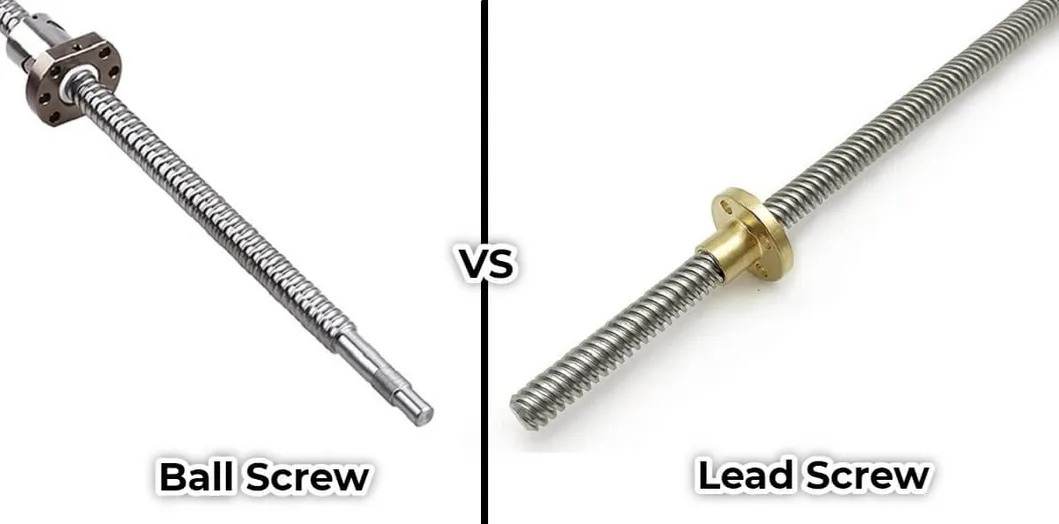
Ball Screw VS Lead Screw

Comparison Diagram
Feature Ball Screw Lead Screw
Mechanism Rolling balls (Low friction) Sliding contact (Higher friction)
Efficiency 90% or Higher 30% to 70%
Precision Very High (CNC Grade) Moderate to Low
Load Capacity High Load Bearing Limited Load Capacity
Typical Cost Higher Investment Budget-Friendly
T

Technical Parameters

Parameter 1
Parameter 2
Parameter 3
Parameter 4
Parameter 5
Parameter 6
Parameter 7
Parameter 8
Parameter 9
?

Frequently Asked Questions

Are you a manufacturer?
Yes, we have over 12 years of experience in manufacturing and providing high-quality linear motion parts.
How long does it take to prepare samples?
Normally 1 day if we have samples in stock. For customized specifications, it typically takes about one week.
Can you handle custom end machining for ball screws?
Yes, we provide full machining services including keyways, threads, and custom drawings to match your specific application.
What is the lead time for batch orders?
For standard container-sized orders, the production time is typically around 30 days.
How do you ensure the quality of the products?
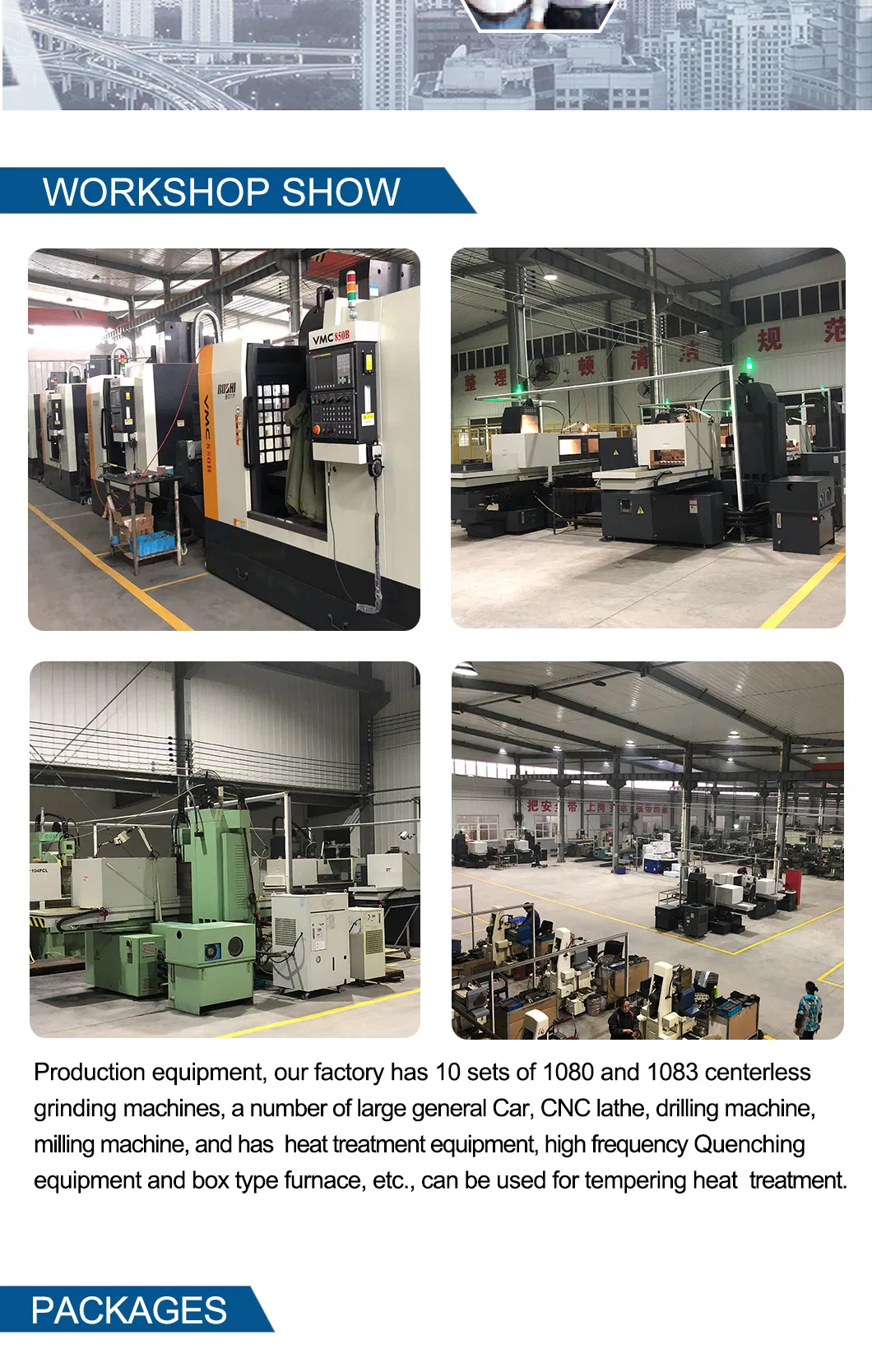
We perform inspections according to ISO standards, managed by a professional QC team to ensure precision and performance.
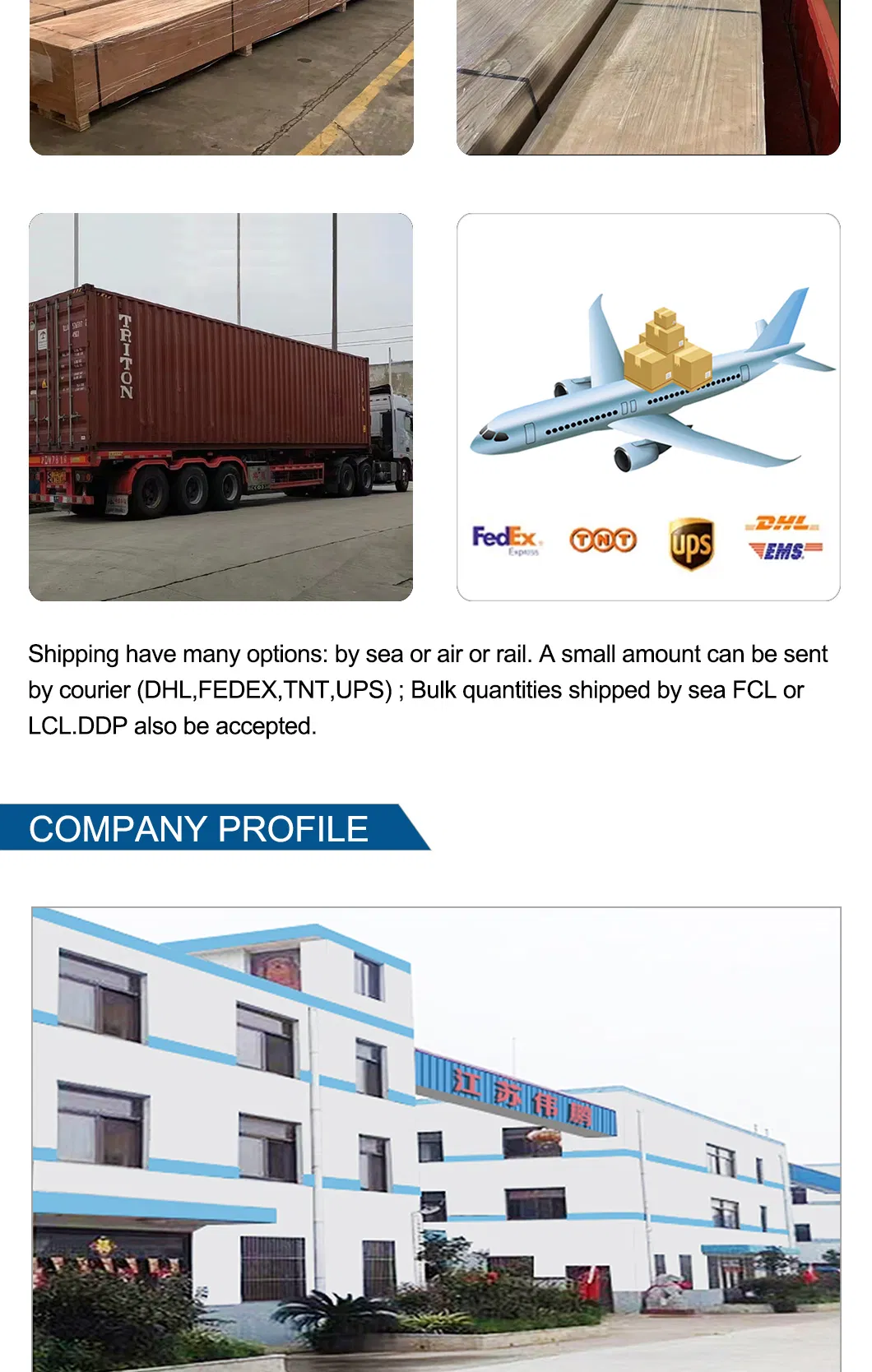
What shipping methods do you offer?
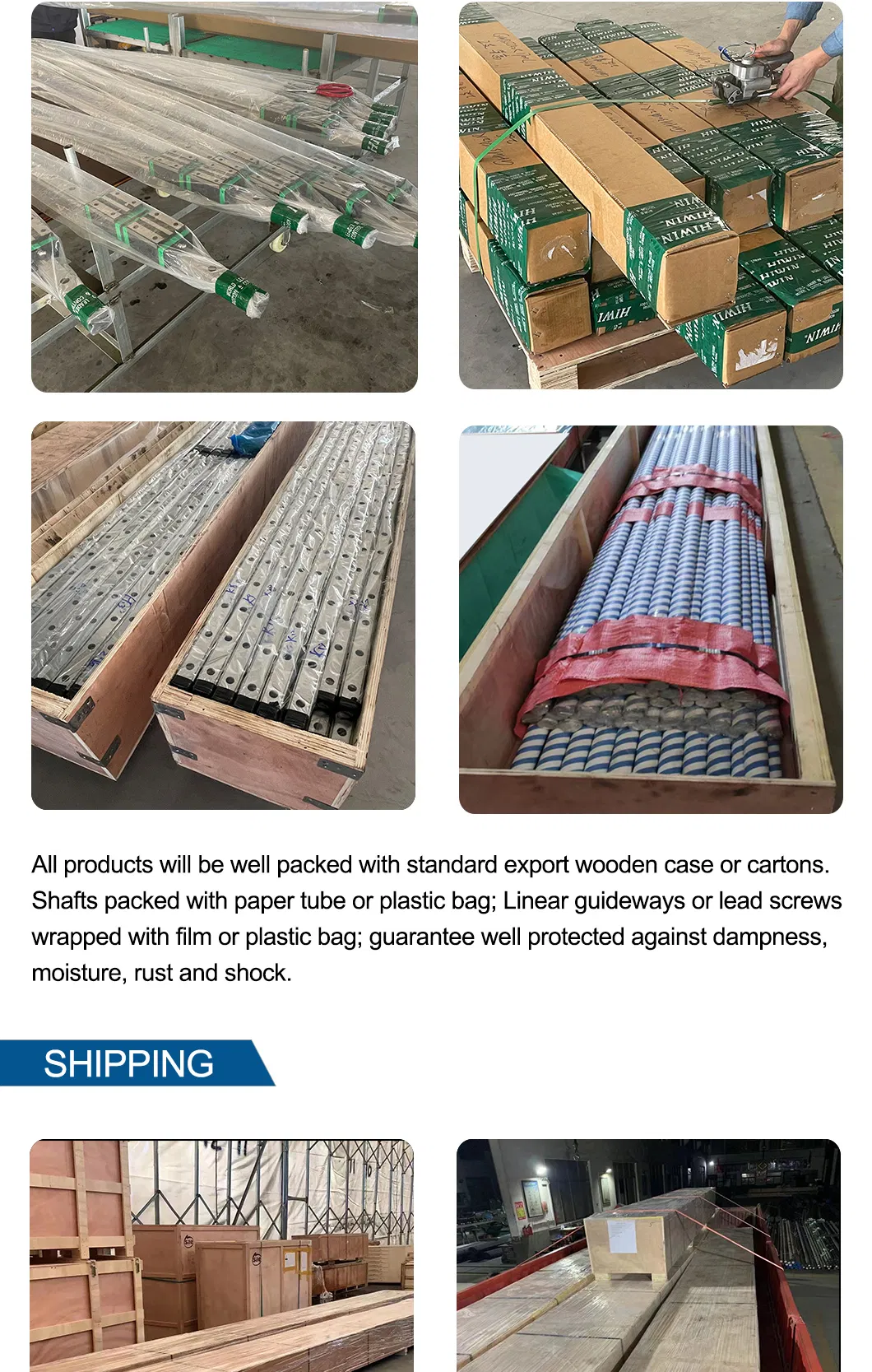
We ship via sea, air, truck, or international couriers such as UPS, DHL, Fedex, and TNT.

Related Products