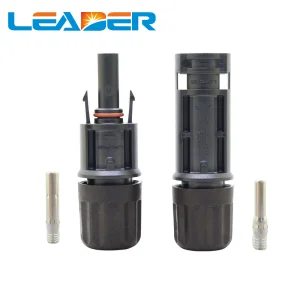
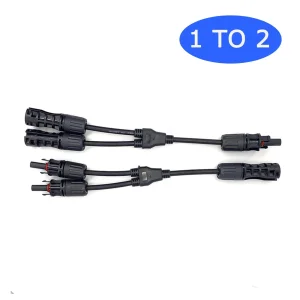
Optimized field-termination connectors utilizing robust weatherproofing mechanisms designed to prevent PID and salt mist ingress in West African coastal regions.
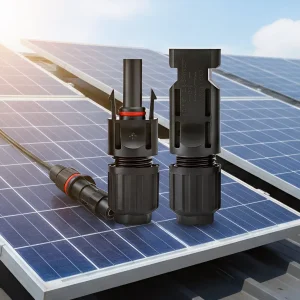
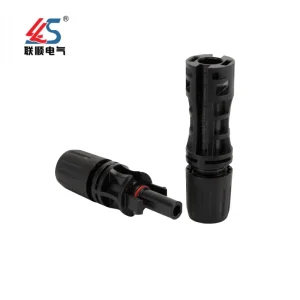
Equatorial Guinea, historically reliant on its rich hydrocarbons sector, is actively diversifying its energy mix in accordance with the national development agenda. Solar energy is emerging as the primary catalyst for off-grid rural electrification and localized microgrids across both the insular region (Bioko Island, including Malabo) and the continental territory (Rio Muni, including Bata). However, deploying utility-scale and decentralized solar assets in this geography introduces aggressive climate variables: relentless ambient humidity averaging over 80%, high temperatures, intense ultraviolet exposure, and corrosive salt-laden air along the coastline.
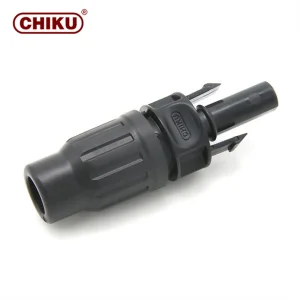
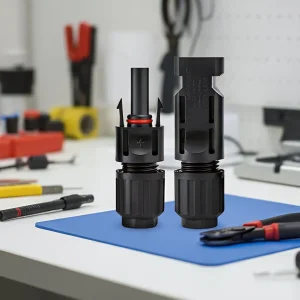
In tropical photovoltaic (PV) systems, the electrical connection interfaces represent the most vulnerable failure points. Any ingress of humidity or salt mist into the connector contact interface can lead to copper oxidation, increased contact resistance, thermal runaway, and eventual arc faults. Therefore, the specification of premium, TUV/UL certified Solar MC4 Connectors is not merely an option for local EPC contractors—it is a critical parameter to ensure system longevity, prevent power degradation, and minimize operational downtime.
From microgrids powering remote communities in the Monte Alén National Park to massive hybrid projects aimed at stabilizing industrial power grids near industrial hubs, every connection must withstand maximum physical stresses. This is where high-quality MC4 connectors, constructed from advanced materials like polycarbonates and polyphenylene ether (PPO), prove their value.
The international PV balance-of-system market is seeing a major technological shift. We trace the core advancements shaping modern project deployment.
By moving from 1000V systems to 1500V, utility installations reduce their balance of system (BOS) wiring by up to 33%. Our MC4 connectors are specifically engineered with advanced internal contact spacing to fully support continuous 1500V loads without electrical breakdown or tracking issues.
Under severe environmental stresses, materials can degrade and lead to fires. Modern industrial standards demand connectors made from UL94-V0 rated self-extinguishing plastic housings, protecting systems from catching fire or propagating flames under extreme thermal overload.
Next-generation connectors are incorporating sensing technology to monitor temperature at individual connection nodes, catching contact resistance anomalies before damage occurs. This is vital for offshore and highly isolated systems where manual inspections are costly.
Traditional solar systems deployed near coastal sectors (such as Bata Port or Malabo Malabo) experience early corrosion of copper contacts. Modern engineering demands specialized tin-plated copper contacts inside the MC4 connector rather than raw brass. The tin plating provides a robust sacrificial barrier, preventing electrochemical oxidation from sea-salt mist and ensuring the electrical resistance stays strictly below 0.25 mΩ throughout the project life.
Hebei Trope Solar Co., Ltd. is a leading manufacturer specializing in the research, development, design, production, and sales of photovoltaic support systems, mounting brackets, and related electrical accessories. We provide comprehensive, end-to-end supply chain solutions for solar energy projects, ensuring optimal support and performance for photovoltaic systems.
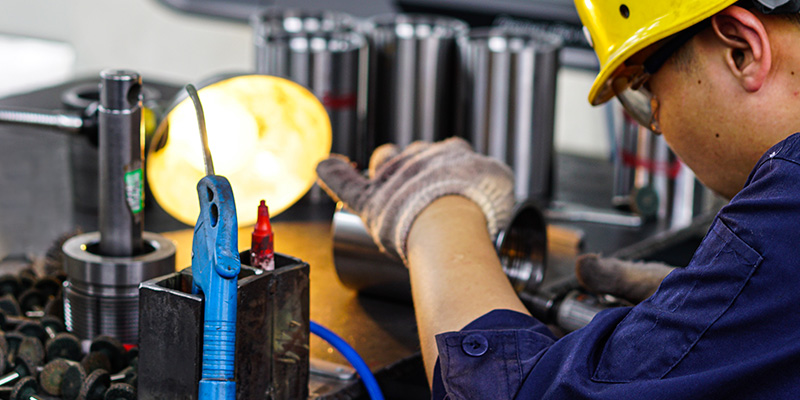
With two state-of-the-art production facilities in Hebei ShijingChangTian and Xingtai ChangTian, covering a combined area of 25,000 square meters, our company is equipped with a range of advanced automated production lines. Our product portfolio includes photovoltaic brackets, piles, braces, hot-dip galvanized bolts, anchor bolts, and other essential components for solar installations.
At Hebei Trope Solar Co., Ltd., we are committed to shaping a new standard in the photovoltaic support industry. Our mission is to provide customers with the highest-quality solar support systems and efficient bolt procurement solutions. Leveraging strong technical expertise, cutting-edge production equipment, and a rigorous self-inspection system, we have laid a solid foundation for sustainable growth and long-term success.
We are driven by a commitment to excellence, integrity, and innovation. Through continuous improvement and a focus on product quality, we ensure that our solutions meet the most demanding industry standards. Our team adheres to strict quality control measures at every stage of production, from raw material selection to final inspection, ensuring the reliability and durability of our products in all environments.
In addition to serving the domestic market, Hebei Trope Solar Co., Ltd. is dedicated to expanding our reach globally, providing world-class solar support products to international clients including developing solar grids in West Africa. Our customer-first philosophy, coupled with our expertise in photovoltaic solutions, makes us a trusted partner for solar power developers and installers worldwide.
We are passionate about the future of renewable energy and are proud to contribute to the global transition to sustainable solar power through our innovative products and services.
Tailoring electrical interconnect requirements to the distinct commercial regions and environments of Equatorial Guinea.
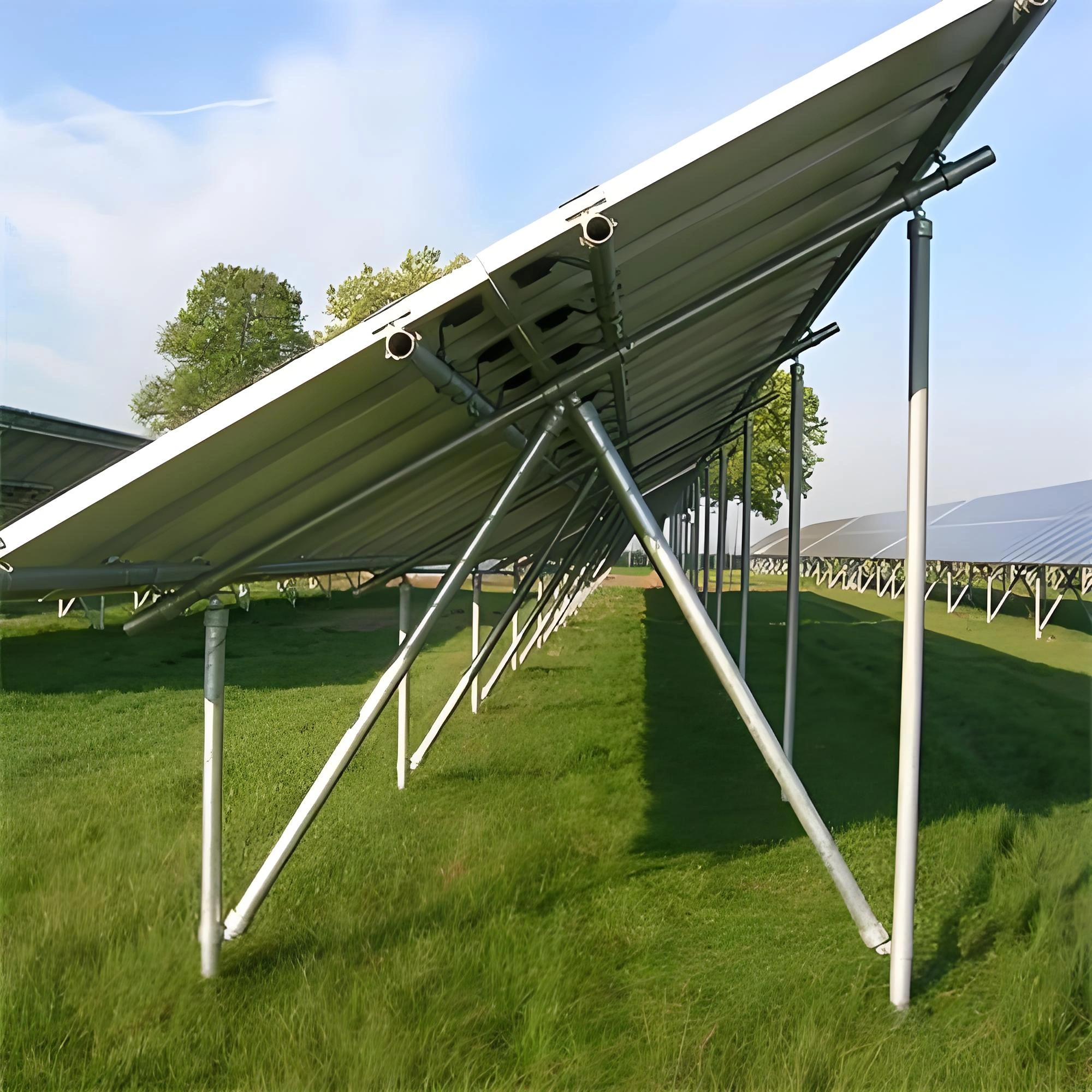
By sourcing both your photovoltaic mounting supports (designed and manufactured in Hebei Trope Solar's 25,000 sqm facility) and high-quality waterproof MC4 connectors simultaneously, engineers ensure structural and electrical compatibility. This streamlined logistical approach minimizes construction errors on site in Malabo or Bata and reduces freight complexity across West Africa.
Browse our selection of heavy-duty connectors, inline fuses, splitters, and application-specific terminal plugs designed for reliability in harsh tropical environments.
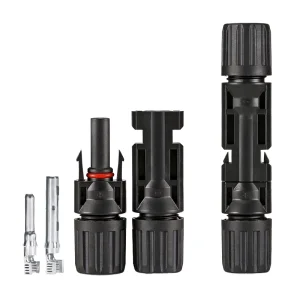
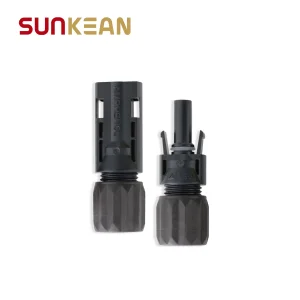
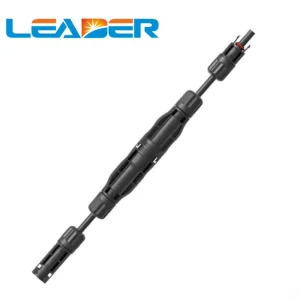
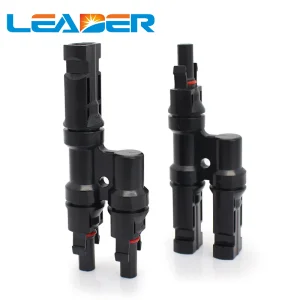
Expert technical answers addressing layout challenges, environmental degradation, and specifications for solar designers working in West Africa.
 Trope Solar