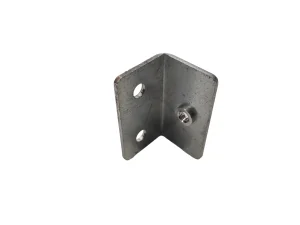
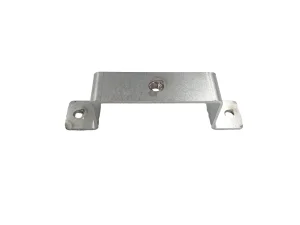
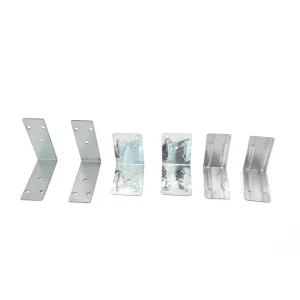
Premium specialized brackets manufactured with hot-dip galvanized finishes and advanced insulation properties for São Paulo's demanding climate.
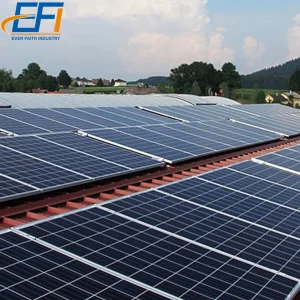
The state of São Paulo has established itself as a primary driver of Brazil's green transition. Fueled by high state electricity tariffs and supportive sub-national incentives, the Distributed Generation (Geração Distribuída - GD) framework has seen double-digit growth. Utility-scale solar farms and commercial/industrial (C&I) rooftop arrays are blanketing the metropolitan area and adjacent industrial hubs, including Campinas, Sorocaba, and the ABC Paulista region.
Installing solar infrastructure in São Paulo poses distinct engineering challenges. Coastal winds coming from the Atlantic Ocean interface with the high-altitude plateau of the Serra do Mar, causing high localized wind loads. Furthermore, industrial regions experience elevated atmospheric acidity (SO2 exposure), demanding heavy-duty, highly corrosion-resistant support systems to ensure a 25-year structural lifespan.
Our heavy-duty inverter support brackets and structural components are engineered to withstand these precise challenges. By using thick hot-dip galvanized steel (ISO 1461 compliant) and premium marine-grade aluminum, we provide regional EPC developers and solar distributors with structural integrity that prevents micro-cracks and material fatigue.
A typical solar system represents a capital investment designed to operate for more than two decades. If structural brackets degrade prematurely due to galvanic corrosion or structural deflection, inverter downtime will decimate the ROI of your project.
Our brackets ensure optimized weight distribution, vibration absorption for heavy industrial string inverters, and electrical isolating components with high comparative tracking indexes.
A comparison of material properties and structural standards recommended for utility-scale solar and industrial applications in São Paulo.
| Component Category | Common Materials | Standards Compliance | Corrosion Resistance | Ideal Application Scenario |
|---|---|---|---|---|
| Inverter Mounting Brackets | Q235B / Q355B Hot-Dip Galvanized Steel, SUS304 | NBR 6123, ASTM A123, ISO 1461 | C3 - C5 High Industrial & Marine | Heavy commercial & utility-scale string/central inverter installations |
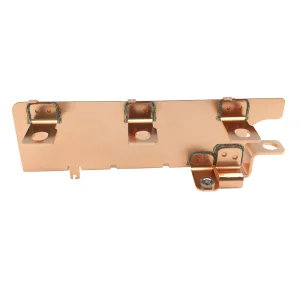
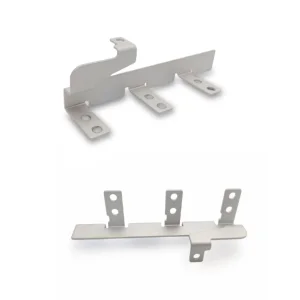
| Insulated Busbar Supports | High CTI SMC/BMC Composites, Polyamide (PA66) | IEC 60112, CTI ≥ 600V, UL 94 V-0 | Excellent chemical & electrical tracking resistance | Medium to high-voltage energy storage inverter cabinet internals |
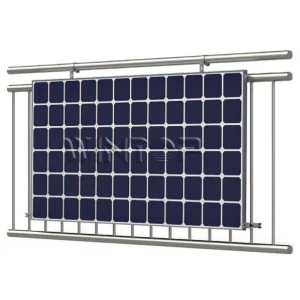
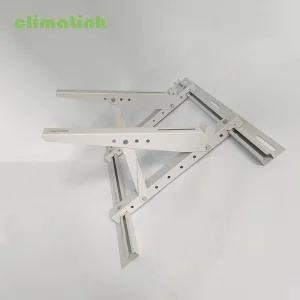
| Rooftop / Balcony Systems | Anodized Aluminum (AL6005-T5) | AS/NZS 1170.2, EN 755-2 | Medium-High (Salt-spray resistant) | Residential PV installations, pitched roof and balcony hook applications |
| Seismic & HVAC Bracing | Heavy-Duty Structural Carbon Steel | NBR 8800, ANSI/AISC 360 | Hot-dip galvanized coating > 85 μm | High-rise building rooftop split A/C console systems and solar tracker structures |
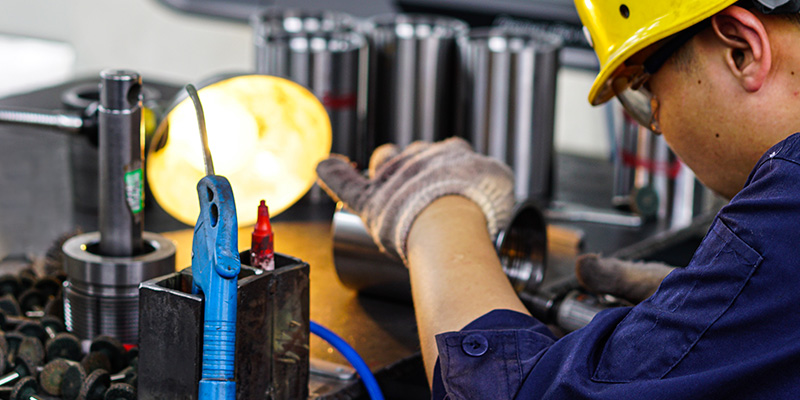
As a leading Chinese manufacturer, Hebei Trope Solar Co., Ltd. specializes in the R&D, design, and mass-scale production of high-strength solar mounting systems and structural accessories. Operating two state-of-the-art facilities in ShijingChangTian and Xingtai ChangTian across 25,000 square meters, our automated fabrication lines ensure dimensional precision down to fractional millimeters.
EPC developers in Brazil often face localized supply volatility, soaring steel prices ("Custo Brasil"), and unpredictable procurement lead times. By leveraging our massive raw material bargaining power, vertically integrated manufacturing, and close proximity to major shipping hubs, we deliver certified solar brackets to the Port of Santos (SP) at highly competitive price points, even when factoring in transoceanic freight and import tariffs.
How our engineering designs match the specific physical, electrical, and urban requirements of the Brazilian market.
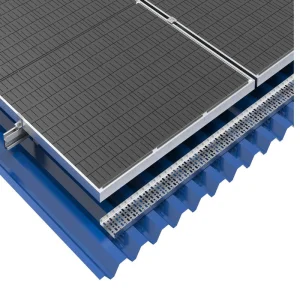
Large-scale distribution centers and automotive factories in Campinas require heavy string inverters mounted securely on metal sheet roofs. Our structural brackets integrate vibration-damping pads and adjustable purlin clamps that prevent roof leakage while resisting local wind shear forces up to 45 m/s.
With utility-scale solar farms connected to the regional CPFL or Enel distribution grids, high short-circuit currents can occur. Our CTI ≥ 600V insulated busbar supports and power cabinet brackets prevent electrical tracking and destructive arcing in hot, humid conditions, ensuring personnel safety and operational uptime.
For installations in the Baixada Santista region, salt-spray humidity is a major structural hazard. Our heavy-duty hot-dip galvanized and anodized aluminum mounting bracket kits undergo rigorous salt-spray testing, ensuring they exceed the C5-M corrosion category to prevent structural failures.
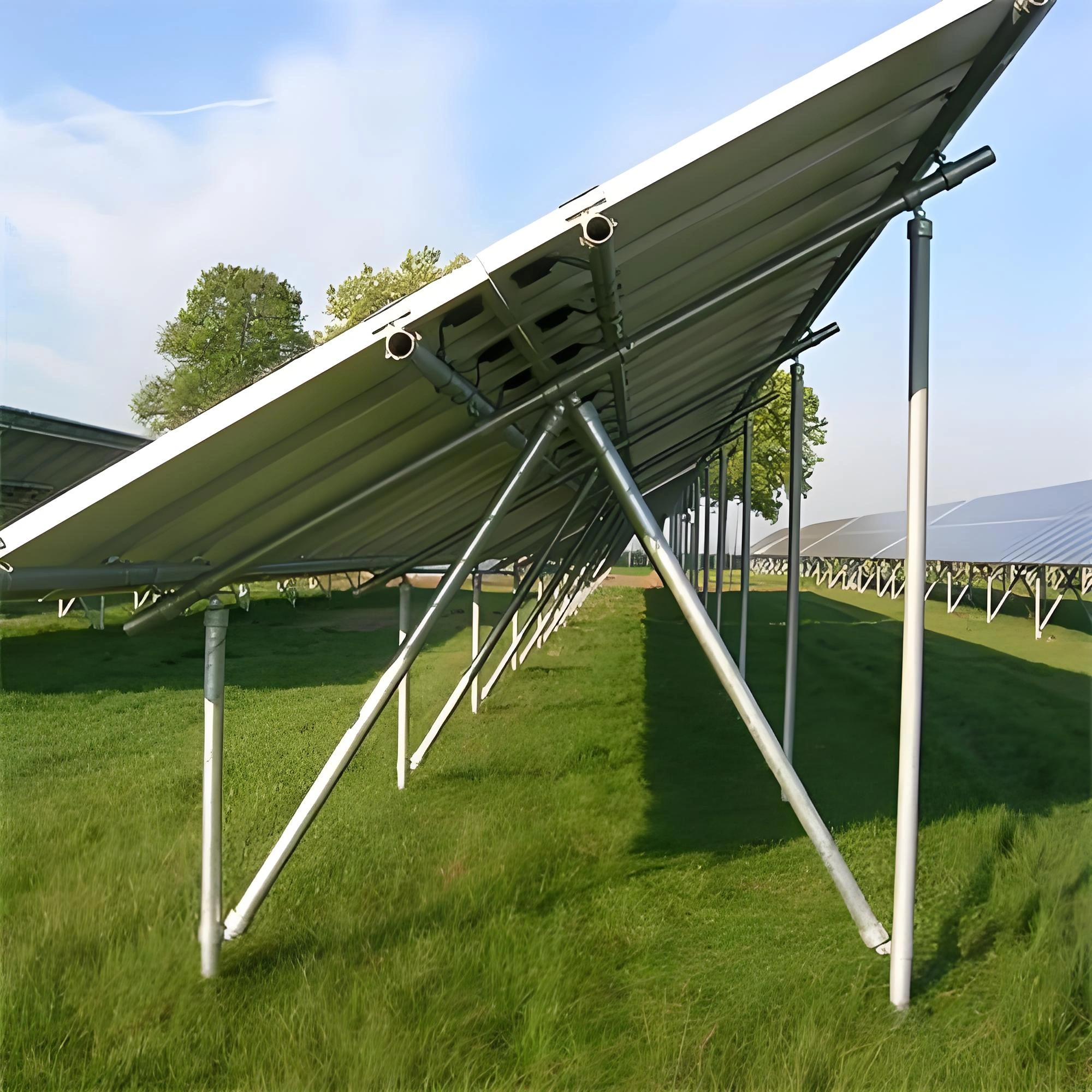
Hebei Trope Solar Co., Ltd. is a leading manufacturer specializing in the research, development, design, production, and sales of photovoltaic support systems and related accessories. We provide comprehensive, end-to-end supply chain solutions for solar energy projects, ensuring optimal support and performance for photovoltaic systems.
With two state-of-the-art production facilities in Hebei ShijingChangTian and Xingtai ChangTian, covering a combined area of 25,000 square meters, our company is equipped with a range of advanced automated production lines. Our product portfolio includes photovoltaic brackets, piles, braces, hot-dip galvanized bolts, anchor bolts, and other essential components for solar installations.
We are driven by a commitment to excellence, integrity, and innovation. Through continuous improvement and a focus on product quality, we ensure that our solutions meet the most demanding industry standards. Our team adheres to strict quality control measures at every stage of production, from raw material selection to final inspection, ensuring the reliability and durability of our products in all environments.
In addition to serving the domestic market, we are dedicated to expanding our reach globally, providing world-class solar support products to international clients, specifically serving EPC contractors and distributors in the Brazilian market.
As solar technologies evolve toward larger, high-power modules and higher-capacity central and string inverters, mechanical support systems must advance in tandem. We are continually optimizing our product designs to reduce installation labor costs and improve material performance:
To combat the diverse microclimates in Brazil—from dry interior zones to humid coastal strips—we are expanding our technical focus. In addition to traditional hot-dip galvanization (HDG), we are scaling up production of Zinc-Aluminum-Magnesium (ZAM) coated steel. ZAM provides superior self-healing properties on cut edges, extending bracket lifespan and reducing maintenance requirements in harsh agricultural and industrial settings.
Local labor costs in São Paulo represent a significant portion of an EPC's budget. Our technical roadmap focuses on pre-assembled modular kits. By optimizing the design of bracket hinges, spring locks, and mounting clamps, we reduce on-site assembly time by up to 30%, minimizing mechanical alignment issues and streamlining construction schedules.
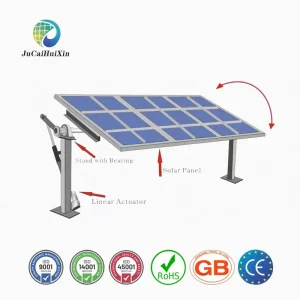
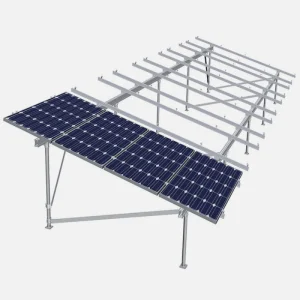
Modern utility-scale solar farms utilize single-axis tracking systems to maximize energy yield. Our high-precision tracking brackets are engineered to interface with electronic tracking algorithms, reducing torsional stress on components during high-wind events and mitigating the risk of structural failure.
Explore our complete range of certified mounting fixtures, solar brackets, and busbar hardware manufactured to demanding industry standards.
Expert advice on specifying, installing, and importing solar inverter support structures in compliance with Brazilian national codes.
In Brazil, solar mounting structures must comply with ABNT NBR 6123 (Wind forces on buildings) to ensure they can withstand local wind loads without failure. Steel components must comply with ABNT NBR 8800 (Design of steel structures) and ABNT NBR 14762 (Design of cold-formed steel structures). Electrical isolation components, such as insulated busbar brackets within inverters, must meet international equivalents recognized by INMETRO, including IEC 60112 and UL 94 standards.
The Comparative Tracking Index (CTI) measures the electrical breakdown (tracking) properties of an insulating material. In high-power string or central inverters operating at voltages up to 1500V DC, high-humidity environments like São Paulo can cause surface moisture and dust deposition, leading to electrical breakdown. A CTI rating of ≥ 600V represents the highest safety standard, indicating the material resists electrical tracking under wet conditions. This minimizes the risk of short-circuits, fires, and equipment failure.
Our carbon steel brackets undergo a controlled hot-dip galvanization (HDG) process in accordance with ISO 1461 and ASTM A123. The zinc coating thickness averages over 85 microns, providing sacrificial and barrier protection against corrosive air. For marine atmospheres close to Santos, we offer AL6005-T5 anodized aluminum structures or specialized Zinc-Aluminum-Magnesium (ZAM) coated options, which exhibit superior corrosion resistance in saline and high-humidity environments.
Once order production and strict factory self-inspections are complete (typically 15-20 days), products are secured in seaworthy containers. Maritime transit from major Chinese ports (e.g., Tianjin or Qingdao) to the Port of Santos (SP) averages 35 to 45 days. We provide comprehensive documentation, including bills of lading, commercial invoices, packing lists, and steel grade certificates, facilitating smooth customs clearance via your import broker.
Yes. Our in-house engineering and R&D teams specialize in custom metal fabrication. We process custom DWG/CAD technical drawings to fabricate brackets with precise hole patterns, custom dimensions, and optimized load-bearing profiles. We also supply custom electroplated copper busbars and tailored cabinet brackets to fit unique central inverter layouts and battery storage configurations.
Hebei Trope Solar Co., Ltd. provides certified, high-strength structural solutions for residential, C&I, and utility-scale projects in the São Paulo region. Let our engineers help optimize your project's reliability and bottom line.
Submit Your Technical RFQ Trope Solar