Engineered to ensure static structural safety and maximum performance yields across highly diverse global installation terrains.
As utility-scale and commercial photovoltaic (PV) systems scale globally, mounting systems have evolved from basic metallic frames into highly engineered structural assets. Representing approximately 10% to 15% of the capital expenditure (CapEx) of a utility-scale solar asset, solar structural mounting determines the durability, alignment, and performance parameters over a mandatory 25- to 30-year lifecycle. Without highly tailored and scientifically optimized designs, structural failures due to extreme wind events, structural fatigue, dynamic snow loads, and localized soil degradation threaten investor returns and public safety.
According to dynamic wind tunnel test protocols, standard static structural computations often underestimate peak dynamic torsional flutter in trackers and fixed structures. Top Chinese PV design exporters utilize CFD (Computational Fluid Dynamics) simulations to analyze localized structural vibrations, maintaining minimum factor of safety metrics at >1.5 under peak wind velocities exceeding 60 m/s.
Modern PV project developers demand high performance metrics under demanding environmental classifications (C3 to C5-M). China's leading PV design factories leverage precise metallurgic specifications to combat electrochemical degradation, mechanical yield failure, and installation fatigue:
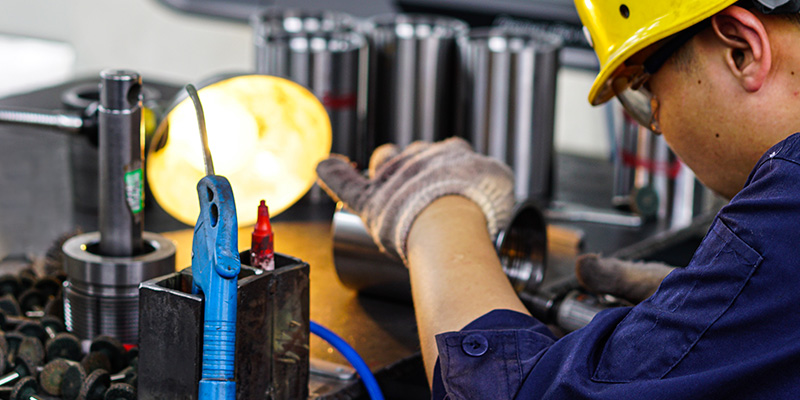
The global dominance of Chinese PV design factories is built on advanced manufacturing processes and raw material integration. Rather than operating simple cold-forming machinery, Tier-1 manufacturing facilities incorporate fully automated, robotic steel and aluminum manufacturing networks. This includes high-precision, continuous multi-station punching, cold-rolling forming lines, laser tube cutting, and fully automated hot-dip galvanization pools.
By automating the cold roll-forming process, factories achieve structural tolerance variations of less than ±0.5 mm, ensuring that structural bolt alignment remains flawless at the global construction site. This reduces field installation overhead and prevents structural stress points caused by forced manual field adjustment. Furthermore, close proximity to massive steel and aluminum production hubs allows Chinese factories to respond to raw material price fluctuations and secure supply chains during peak shipping seasons.
SQM Manufacturing Facilities
Zinc Coating Thickness (HDG)
Ultimate Wind Load Protection
Structural Lifespan Engineering
The transition toward highly optimized global PV configurations has driven several core design trends that exporters must accommodate to meet the needs of international engineering procurement firms (EPCs):
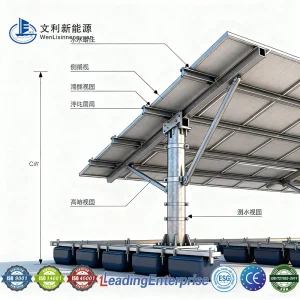
Unlike traditional monofacial modules, bifacial modules capture albedo light from the ground surface beneath. To maximize this gain, structural design factories have re-engineered racking geometry. Modern frames minimize direct shadow casting on the rear side of the panel, utilizing higher clearance heights, wider module pitch, and single-post configurations that reduce backside structural shading.
Fixed-tilt racking is increasingly giving way to dynamic single-axis tracking systems. Trackers demand highly integrated design capabilities, matching industrial slewing drives, electronic control systems, and robust cardan joints with optimized steel tubes. Standard C-channel or square tube design must account for dynamic torsional forces, ensuring that tracker rows do not experience flutter under transient wind gusts.
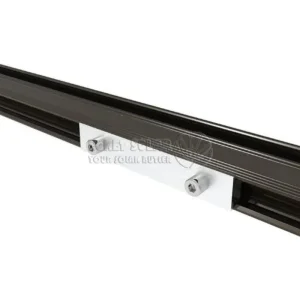
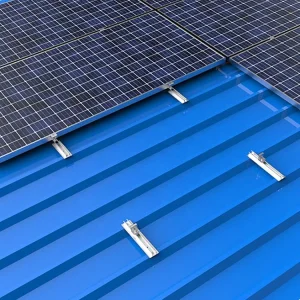
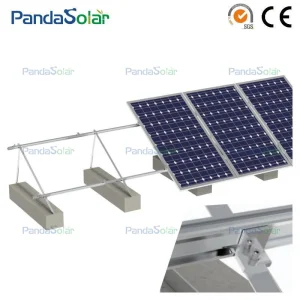
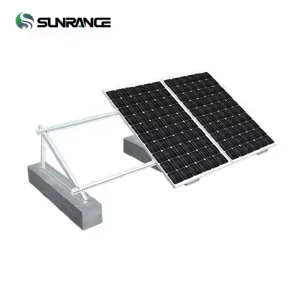
For modern commercial buildings, waterproofing guarantees prevent standard anchor bolts from penetrating concrete or metal roof systems. Factories have engineered ballasted triangle mounts and mini-rail friction systems. Using wind-deflectors and scientifically computed concrete ballast blocks, these systems withstand heavy wind uplifts without damaging the building's underlying membrane.
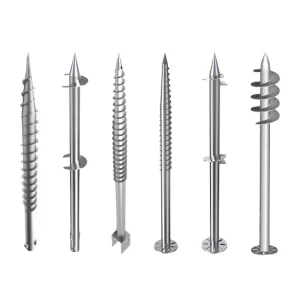
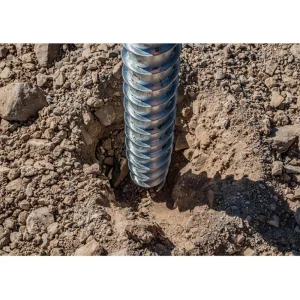
For utility scale installations, soil testing dictates mounting choice. Exporters provide field-specific pull-out test data for ground screws and ramming piles. A standard adjustable ground screw configuration relies on helices engineered to optimize torque resistance, ensuring compliance with local soil bearing capacity requirements.
Different regions present unique environmental stresses. A cookie-cutter approach to structural mounting leads to system failure. The table below represents localized design considerations implemented by top Chinese manufacturing exporters:
Hebei Trope Solar Co., Ltd. is a leading manufacturer specializing in the research, development, design, production, and sales of photovoltaic support systems and related accessories. We provide comprehensive, end-to-end supply chain solutions for solar energy projects, ensuring optimal support and performance for photovoltaic systems.
With two state-of-the-art production facilities in Hebei ShijingChangTian and Xingtai ChangTian, covering a combined area of 25,000 square meters, our company is equipped with a range of advanced automated production lines. Our product portfolio includes photovoltaic brackets, piles, braces, hot-dip galvanized bolts, anchor bolts, and other essential components for solar installations.
At Hebei Trope Solar Co., Ltd., we are committed to shaping a new standard in the photovoltaic support industry. Our mission is to provide customers with the highest-quality solar support systems and efficient bolt procurement solutions. Leveraging strong technical expertise, cutting-edge production equipment, and a rigorous self-inspection system, we have laid a solid foundation for sustainable growth and long-term success.
We are driven by a commitment to excellence, integrity, and innovation. Through continuous improvement and a focus on product quality, we ensure that our solutions meet the most demanding industry standards. Our team adheres to strict quality control measures at every stage of production, from raw material selection to final inspection, ensuring the reliability and durability of our products in all environments.
In addition to serving the domestic market, Hebei Trope Solar Co., Ltd. is dedicated to expanding our reach globally, providing world-class solar support products to international clients. Our customer-first philosophy, coupled with our expertise in photovoltaic solutions, makes us a trusted partner for solar power developers and installers worldwide. We are passionate about the future of renewable energy and are proud to contribute to the global transition to sustainable solar power through our innovative products and services.
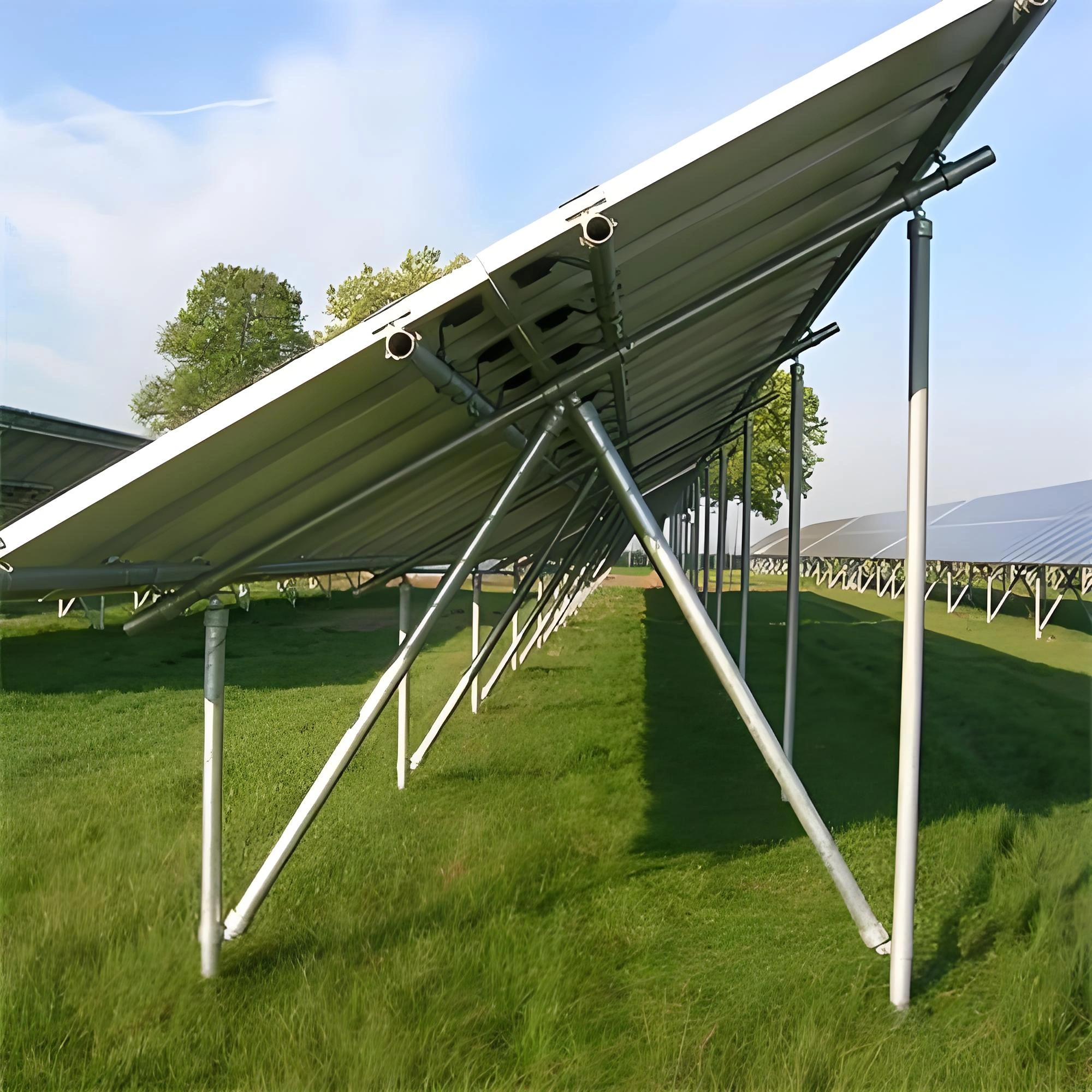
Providing heavy-duty, corrosion-resistant brackets and precision tracking elements for global engineering needs.
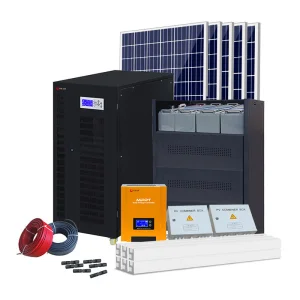
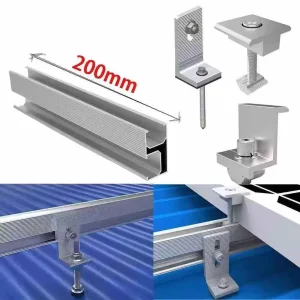
Technical guidance for global solar project procurement officers and structural engineers.
Our engineering division designs systems complying with various regional requirements. Major guidelines include AS/NZS 1170 for Australasian markets, ASTM standards and ASCE 7-10 wind loading standards for the Americas, and Eurocode 9 (structural design of aluminum) across European jurisdictions. Every production run is backed by certified mill test reports (MTR) showing raw structural capacities.
Hot-dip galvanizing (HDG) creates an metallurgical bond between the zinc and carbon steel. Per ISO 1461, our galvanized layers measure between 80 to 120 microns in thickness. This provides structural sacrificial protection, meaning even if the surface is scratched during installation, the surrounding zinc acts as an anode to prevent oxidation of the load-bearing steel.
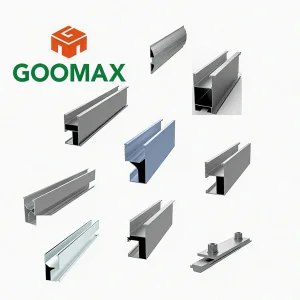
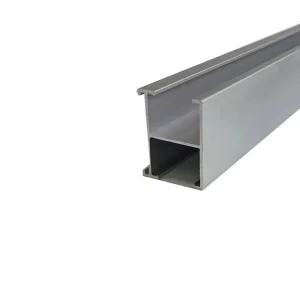
AL6005-T5 is an anodized aluminum alloy optimized for tensile strength and structural weight. Rooftops are highly sensitive to load-bearing limitations. An aluminum design weighs roughly one-third of a comparable steel structure, significantly reducing roof load while retaining structural capacity. However, for utility ground mounts with long spans, carbon steel remains the preferred choice due to its high elastic modulus and economy at scale.
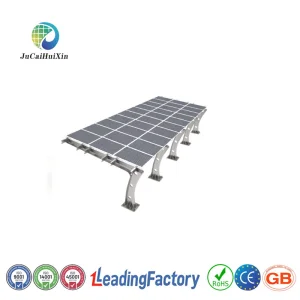
Every customized carport design (such as our 50kW structures) goes through FEA (Finite Element Analysis) simulating static and dynamic loading. We model wind uplifts (up to 60m/s) and snow accumulation distributions. These mathematical evaluations are validated through pull-out testing of structural anchor bolts and concrete footing compression tests.
Standard design lines (such as mini-rails, cable clips, and mid/end clamps) are held in stock for immediate container dispatch. Customized racking designs require 15 to 25 days depending on tooling adjustments and structural volume. We coordinate with local ports (such as Tianjin Port) to secure efficient global ocean freight schedules.
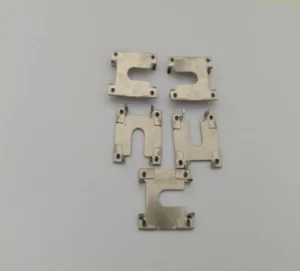
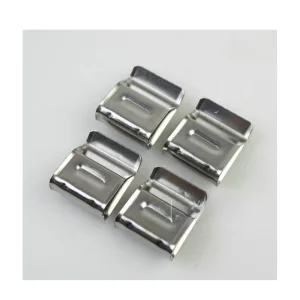
Grounding clips penetrate the non-conductive anodized surface layer of aluminum frames, forming a continuous electrical path to earth ground. This protects the system from lightning damage and electrical short circuits. Stainless steel cable clips secure wire runs beneath modules, preventing insulation degradation caused by wind friction or sagging wires contacting wet roofs.
 Trope Solar