Wind load performance is critical for solar mounting systems. The safety and longevity of these installations depend greatly on their ability to withstand environmental forces. A question many industry professionals ask is, "How much wind speed can a standard solar mounting system withstand?" According to the International Electrotechnical Commission (IEC) standards, systems are often tested to endure wind speeds of at least 130 mph, correlating to hurricane conditions.
The effectiveness of solar mounts in varying wind conditions is crucial. For instance, well-engineered systems show a resilience that enhances their performance during extreme weather. However, not all systems are created equal. Some less robust designs might fail under surprising wind loads. Research from various solar energy studies emphasizes that localized wind patterns must also be considered.
Understanding wind speed capacity is not only about meeting regulations but also ensuring stability and reliability. Many installations overlook these factors, leading to necessary reflections on design choices. Ultimately, selecting the right mounting system can prevent potential losses and increase energy output, especially in storm-prone areas.
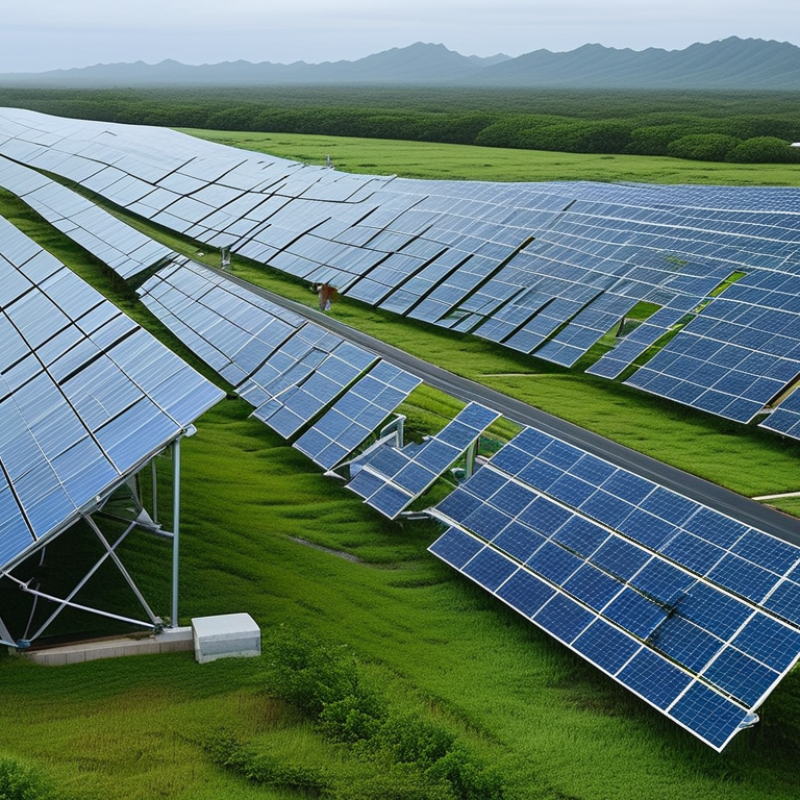
Wind load is a critical factor for the durability of solar mounting systems. The capacity to withstand wind is essential for installation safety and longevity. Various elements influence this resilience, including structural design, material quality, and installation methods. A recent report by the International Renewable Energy Agency (IRENA) indicates that a robust solar mounting system can handle wind speeds up to 150 mph, contingent on these factors.
The geometry of solar panels also plays a key role. Flat panels may catch more wind, while angled installations reduce resistance. Additionally, the integration of aerodynamic features can significantly enhance performance. According to the American Society of Civil Engineers (ASCE), proper load calculations can mitigate risks. The ASCE emphasizes that improper installation could lead to failures, even at moderate wind speeds.
Geographic location adds complexity to these considerations. Coastal areas often face higher wind loads due to storms. As such, customization of mounting installations is crucial. Tailoring design to local regulations and environmental challenges can enhance reliability. Though advancements in technology improve outcomes, there remain gaps in addressing every variable in windy conditions. Understanding these factors is vital for improving the resilience of solar infrastructure.
: The right system supports solar panels against wind forces, ensuring safety and efficiency.
Fixed mounts usually resist winds of around 90 mph, making them ideal for residential use.
Pole mounts are designed for extreme winds, capable of withstanding gusts over 100 mph.
Experts can assess local wind patterns and ensure compliance with regulations.
Always look at the specifications and verify if they’ve undergone standardized testing for safety.
Strong storms can disrupt systems; hence, robust design and proper installation are vital for performance.
No, some systems may lack testing; research construction materials for durability and reliability.
Inspecting for wear after storms can prevent failures and protect your investment in the long term.
Improper anchoring or low-quality materials during installation can reduce overall effectiveness.
They show that design quality and local weather understanding are crucial for reliable solar energy systems.
The article "How much wind speed can solar mounting systems handle?" explores various factors that influence the wind load on solar mounting systems, emphasizing the importance of design and materials in withstanding wind forces. It discusses the types of solar mounting systems available and their respective wind resistance capabilities, highlighting the need for robust engineering to ensure reliability.
Additionally, the article outlines the standards and testing methods used to determine wind speed ratings, providing insights into real-world examples of how different systems perform under varying wind conditions. Finally, it presents mitigation strategies that can enhance wind resistance, addressing the critical question: "How much wind speed can a standard solar mounting system withstand?" By implementing these strategies, solar installations can be made more resilient, ensuring optimal performance even in challenging weather conditions.

 Trope Solar