Understanding how much wind speed a standard solar mounting system can withstand is crucial for the industry's safety. According to Dr. Emily Carter, a leading expert in solar engineering, “The resilience of mounting systems can determine the longevity of solar arrays.” Wind loads significantly affect the stability and efficiency of solar installations.
Solar mounting systems are designed to endure various environmental pressures, but they vary by design and materials. For instance, a typical system can handle wind speeds ranging from 90 to 130 mph, depending on the region. This variation indicates that local weather conditions should influence system choices. Inadequate evaluation can lead to unnecessary risks.
Designers must consider factors such as mounting geometry and installation methods. Overlooking these details could potentially compromise the solar system's performance. Furthermore, continuous monitoring and adaptation to advancements in engineering could enhance resilience. Understanding the answer to "How much wind speed can a standard solar mounting system withstand?" remains essential as climate conditions evolve. Each installation presents learning opportunities to enhance overall system durability.
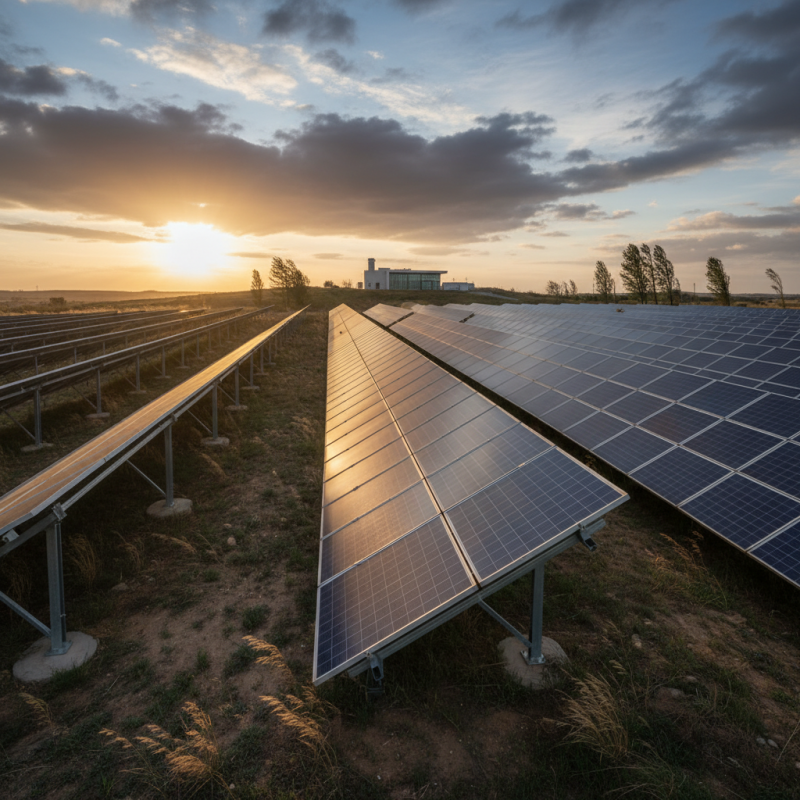
Wind load is a critical factor in the design of solar mounting systems. Several elements influence how much wind speed these systems can endure. The shape and orientation of the solar panels play significant roles. Flat panels tend to experience more wind drag compared to angled installations. According to a report by the American Society of Civil Engineers, wind forces can increase substantially with the height of the installation.
Geographical location is another key factor. Areas prone to high winds, like coastal regions, demand more robust mounting systems. In some cases, mounting systems may need to withstand gusts over 100 mph. Moreover, terrain can also impact wind behavior. Obstructions like buildings or trees can create turbulence that affects the load on solar systems. Engineers must conduct thorough analysis using tools like Computational Fluid Dynamics to ensure reliability.
It's important to note that even well-designed systems can experience failures under extreme conditions. Regular inspection and maintenance are vital for long-term performance. According to a 2021 IEEE study, only 70% of solar installations adequately meet local wind codes. This statistic raises concerns about safety and durability, highlighting a need for improved compliance and awareness in the industry.
When considering solar mounting systems, wind speed ratings are critical factors. Understanding these ratings ensures optimal performance and durability. Most standard solar mounting systems are designed to withstand wind speeds of 90 mph to 120 mph. This means they can handle strong storms and even hurricanes to some extent. According to the American Society of Civil Engineers (ASCE), structures should be assessed in regions with varying wind conditions.
Rigorous testing is fundamental. Many systems undergo tests in controlled environments to determine their wind resistance. Factors such as material quality and design impact their performance. Variable loads and unexpected weather patterns can challenge even the best-designed systems. It's essential to review local building codes. These codes may dictate the minimum requirements for wind resilience based on the area's risk profile.
Tips: Always consider local wind patterns before installation. Consulting with engineers who specialize in solar systems can provide insights into the right choice for your location. Regular inspections and maintenance are also vital for long-term viability. Updated safety standards can affect existing systems, and adjustments may be necessary to meet new guidelines. Robust planning goes a long way in ensuring safety and efficiency.
When designing solar mounting systems for high wind areas, engineers must account for extreme weather conditions. Wind speed can exceed 100 miles per hour in some regions, posing a significant risk to solar installations. A thorough risk assessment is essential. Data from the National Renewable Energy Laboratory (NREL) indicates that improper mounting can lead to system failure, resulting in costly repairs.
Structural integrity is crucial. Materials used in mounting systems must withstand substantial wind forces. Reports have shown that galvanized steel and aluminum are preferred for their strength and corrosion resistance. The International Electrotechnical Commission (IEC) standards emphasize the importance of wine tunnel testing. Such testing simulates real-world conditions to ensure stability.
Moreover, installation location matters. Terrain and surrounding buildings can influence wind patterns. Engineers must consider these factors in their designs. A poorly designed system can result in structural failure, endangering lives and investments. Proper alignment and anchoring techniques are vital. Attention to detail in these aspects can significantly enhance the system's durability against high winds.
Wind resistance is a critical factor in the design of solar mounting systems. As these systems are exposed to the elements, testing methods must accurately simulate real-world conditions. Engineers often use wind tunnels to assess how different designs will perform under high wind speeds. These tests help identify potential weak points in the structural integrity of solar installations.
In addition to wind tunnels, field testing is essential. This involves installing solar mounts in various locations and monitoring their performance during storms. Such real-time data collection provides valuable insights into how these systems endure severe weather. Challenges often arise in interpreting data from unpredictable wind patterns. Small design changes can significantly impact performance, reminding us that even minor details matter.
The importance of rigorous testing is clear. It ensures that solar panels remain secure and functional under varying atmospheric conditions. Developing reliable mounting systems requires a combination of simulation and real-world testing. This dual approach can reveal unexpected vulnerabilities. Continuous improvement in testing techniques is necessary to meet evolving environmental demands.
When considering the impact of wind on solar mounting systems, understanding wind resistance is crucial. Data from the National Renewable Energy Laboratory suggests that residential solar systems must withstand wind speeds of at least 90 mph. Design engineers face challenges in ensuring that the mounting systems can endure high winds while maintaining safety and efficiency.
Mitigation strategies can enhance the wind resistance of these systems. Installing ballasted mounts, for example, helps anchor solar panels effectively against gusty winds. Additionally, optimizing the tilt angle of panels can reduce aerodynamic drag. A study published in the Journal of Solar Energy Engineering indicates that adjusting the angle can lower wind loads by up to 30%.
Tips: Use durable materials like aluminum or galvanized steel for mounts. Regular maintenance checks can catch issues before they escalate. Always consult local regulations for specific wind load requirements in your area. Consider engaging with a structural engineer to assess potential vulnerabilities in your solar installation.
: Wind load is the force exerted by wind on solar mounting systems. It affects their design.
Flat panels face more wind drag than angled ones. Angle helps reduce wind resistance.
Coastal areas with high winds need sturdier systems. They may face gusts exceeding 100 mph.
Buildings and trees can create turbulence. This turbulence impacts how wind affects solar systems.
Engineers use wind tunnels and field tests. They simulate conditions to identify weak points in designs.
Standard systems withstand wind speeds from 90 mph to 120 mph. They handle strong storms reasonably well.
Inspections ensure long-term performance. Well-designed systems can still fail under extreme conditions.
These codes mandate minimum wind resilience based on the area's risk profile. Compliance is critical for safety.
Variable loads can challenge solar systems. Small design changes may significantly affect performance.
Always assess local wind patterns. Consulting experts helps ensure the right system choice for your location.
When considering solar mounting systems, a pertinent question is, "How much wind speed can a standard solar mounting system withstand?" Various factors influence the wind load, including the design and material of the mounting system, as well as local environmental conditions. Standard wind speed ratings provide a benchmark for evaluating the robustness of these systems, typically categorized according to different regions and their exposure to wind.
For installations in high wind areas, specific design considerations must be taken into account to ensure safety and durability. This may involve enhancing structural integrity and choosing appropriate materials. Additionally, testing methods for wind resistance play a crucial role in assessing the performance of solar mounting systems under extreme conditions. To further mitigate risks, strategies such as proper anchoring and aerodynamic design can enhance a system's ability to withstand significant wind speeds.

Trope Solar