In the construction and manufacturing industries, the question "Can I use aluminum rails with steel brackets?" becomes increasingly relevant as we approach 2026. The material properties of aluminum and steel differ significantly. Aluminum is lightweight and resistant to corrosion, while steel is incredibly strong and durable. Industry reports indicate that approximately 70% of manufacturers prefer using steel for structural components due to its load-bearing capabilities.
However, using aluminum with steel components presents challenges. The risk of galvanic corrosion occurs when these metals come into contact in the presence of an electrolyte. A 2021 study highlighted that around 30% of failures in mixed-metal connections stem from this issue. It's essential to consider protective measures, such as coatings, to mitigate these risks.
The evolving technologies in material science may offer solutions. Innovative treatments can improve compatibility between dissimilar metals. As we edge closer to 2026, industry experts must closely monitor developments. Engineers and project managers should reflect on their choices. In the quest for efficient design, the balance between performance and risk remains critical.
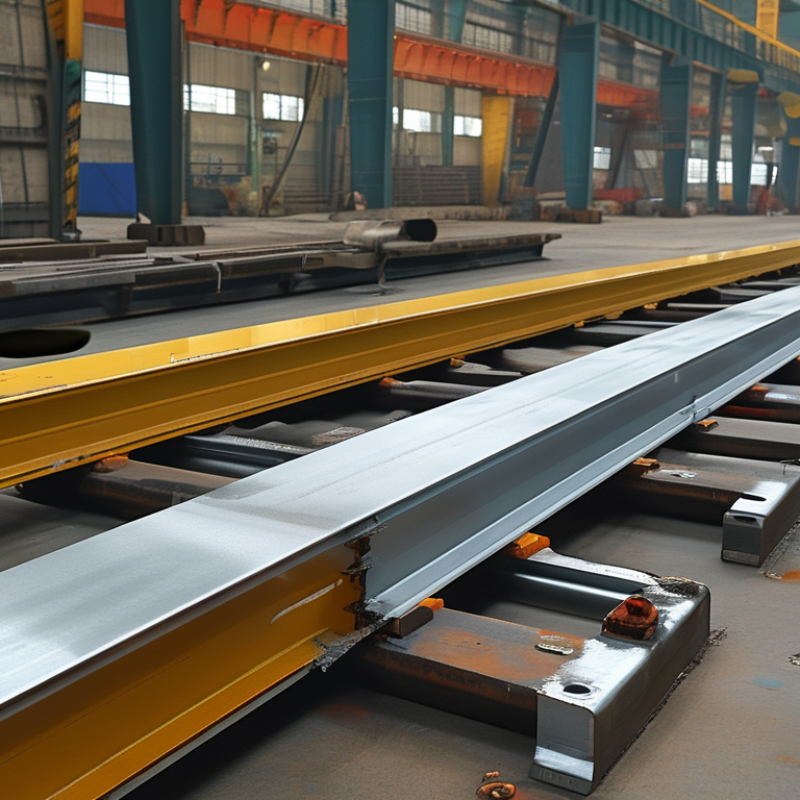
Aluminum rails and steel brackets are popular in construction and industrial applications. Each material offers unique benefits and challenges. Aluminum is lightweight, corrosion-resistant, and easy to install. Steel brackets provide strength and stability, essential for heavy loads. A recent industry report indicated that the demand for aluminum components is projected to grow by 5% annually through 2026.
Combining aluminum rails with steel brackets requires careful consideration. The different thermal expansion rates may lead to issues over time. If temperatures fluctuate, aluminum expands and contracts differently than steel. This mismatch can lead to stress points, weakening the joint and causing potential failures. Engineers should assess load implications and environmental data.
Furthermore, industry studies highlight a growing focus on sustainability. Aluminum recycling rates exceed 90%, making it a more eco-friendly option. Steel, while strong, has a larger carbon footprint in production. Nevertheless, engineers must evaluate lifecycle impacts and cost efficiencies. Using one material over the other isn't always straightforward. Balancing performance with environmental responsibility requires thoughtful planning and continuous assessment.
This chart illustrates the compatibility ratings for aluminum rails and steel brackets as of 2026 based on material properties and expected performance. Aluminum rails score higher on the compatibility scale due to their lighter weight and ease of use with various types of brackets.
When considering the compatibility of aluminum rails and steel brackets, it’s crucial to evaluate the differences in their material properties. Aluminum is lightweight and corrosion-resistant, making it an attractive option for various applications. Steel, however, is known for its strength and rigidity. According to the American Society for Testing and Materials, combining these two materials can lead to galvanic corrosion if they are not properly insulated.
When using aluminum with steel, it is vital to use appropriate spacing and coatings to mitigate the corrosion risks. A recent report from the International Journal of Corrosion highlighted that materials should be compatible to prevent unexpected failures. Many builders recommend using plastic or rubber isolators to separate aluminum from steel. This simple step can significantly extend the lifespan of your project.
Tip: Always consider the weight load your brackets will support. Load calculation is essential to ensure safety and performance. It’s necessary to frequently check for signs of wear or corrosion when mixing these materials. Consistent maintenance can prevent costly failures. Regular inspections play a key role in prolonging the functionality of your installation.
Using aluminum rails with steel brackets might seem efficient, but it carries potential issues. The two metals have different properties, leading to a challenge known as galvanic corrosion. When aluminum and steel come into contact, especially in the presence of moisture, steel can corrode faster. According to a study by the National Materials Advisory Board, this is a significant risk in construction applications.
Furthermore, thermal expansion poses another concern. Aluminum expands and contracts more than steel with temperature changes. This discrepancy could result in structural issues over time. The American Institute of Steel Construction highlights that improper pairing of materials can lead to unforeseen weaknesses in a structure.
Experts suggest utilizing protective coatings or isolating the materials to prevent direct contact. However, this adds cost and complexity to a project. It’s crucial to weigh the long-term effects and integrity of structures when contemplating these material combinations. Insight from industry reports emphasizes the importance of compatible materials in achieving durability and safety. Rethinking material choices can prevent costly repairs down the line.
The integration of aluminum rails with steel brackets presents a timely discussion for 2026. As industries evolve, the search for lightweight yet strong materials intensifies. Aluminum is known for its low weight and corrosion resistance. However, how it performs with steel brackets raises questions about compatibility and durability.
In future rail and bracket systems, different materials could deliver various advantages. Steel offers exceptional strength, but it also adds weight. This combination may lead to issues such as potential corrosion where these metals meet. Conducting more research could highlight best practices for using these two materials together. Engineers might explore coatings or treatments to improve longevity and performance.
The market may lean toward hybrid systems combining the best properties of each material. Testing may reveal unexpected challenges. For instance, temperature variations can affect the interaction between aluminum and steel. Understanding these nuances will be crucial for manufacturers looking to innovate in rail and bracket design. Careful considerations need to be taken to minimize risks in practical applications.
In 2026, construction guidelines will increasingly address the compatibility of different materials. Aluminum rails combined with steel brackets can raise serious concerns. The mix of metals often leads to galvanic corrosion. This issue arises when two different metals interact, especially in the presence of moisture. A report from the Materials Research Society highlights that corrosion can significantly reduce structural integrity.
Understanding material properties is crucial. Aluminum is lightweight and resistant to corrosion, while steel offers strength. However, when these materials are used together, their interactions can compromise safety. The American Institute of Steel Construction recommends adhering strictly to compatibility guidelines for mixed-material designs. Ignoring these can lead to unforeseen failures over time.
Contractors must remain vigilant. It’s essential to check local regulations in 2026. Some regions may enforce stricter rules regarding material use. Reliable data shows that around 30% of construction failures involve inadequate material choices. Proper knowledge and adherence to guidelines are vital for ensuring safety and durability in future construction projects.
: Aluminum is lightweight, corrosion-resistant, and easy to install. It adds efficiency in construction projects.
Steel brackets offer strength and stability. They are essential for supporting heavy loads in various structures.
Different thermal expansion rates can lead to stress points and potential failures over time if not managed.
Use appropriate spacing and coatings. Plastic or rubber isolators can help separate metals to enhance durability.
Assess the weight load your brackets will support. Regular inspections help ensure safety and performance.
Aluminum has a high recycling rate and lower carbon footprint. Engineers should consider lifecycle impacts when choosing materials.
In 2026, stricter regulations on material compatibility will be enforced, focusing on reducing risks like corrosion.
Regular inspections can identify wear and corrosion issues early, preventing costly failures and extending the lifespan of installations.
Evaluating climate conditions can help balance performance with sustainability in material choices for projects.
Understanding how different materials interact can prevent safety risks and ensure structural integrity over time.
The article titled "Can I Use Aluminum Rails with Steel Brackets in 2026?" explores the compatibility and potential issues of using aluminum and steel together in rail and bracket systems. It begins with an overview of the materials, highlighting their unique properties and advantages. The discussion moves into compatibility considerations, addressing whether aluminum rails can be effectively paired with steel brackets, and outlines potential challenges such as corrosion and mechanical compatibility.
Looking ahead, the article examines future trends in materials that may influence construction practices, alongside regulatory guidelines that will shape material selections in 2026. Ultimately, it seeks to answer the critical question: "Can I use aluminum rails with steel brackets?" by shedding light on the factors that need to be considered for safe and effective use in construction.
Trope Solar