When considering solar energy for homes, one crucial aspect stands out: "How to choose the right solar mounting system for metal roofs?" This choice can deeply impact the efficiency and longevity of a solar installation. John Smith, a seasoned solar energy consultant and author, emphasizes, “Selecting the correct mounting system ensures optimal performance and durability.”
Metal roofs have unique characteristics that affect solar panel installation. Their durability and lifespan make them an appealing choice for homeowners. However, the mounting system must match the roof's structure and material. The wrong choice can lead to leaks or inadequate support.
Understanding the various options available is essential. Some mounting systems are specifically designed for particular types of metal roofs. Inadequate research can lead to expensive mistakes. It is crucial to consult with experts on the best installation methods to ensure reliability. Choosing wisely leads to a sustainable energy solution that lasts for years.
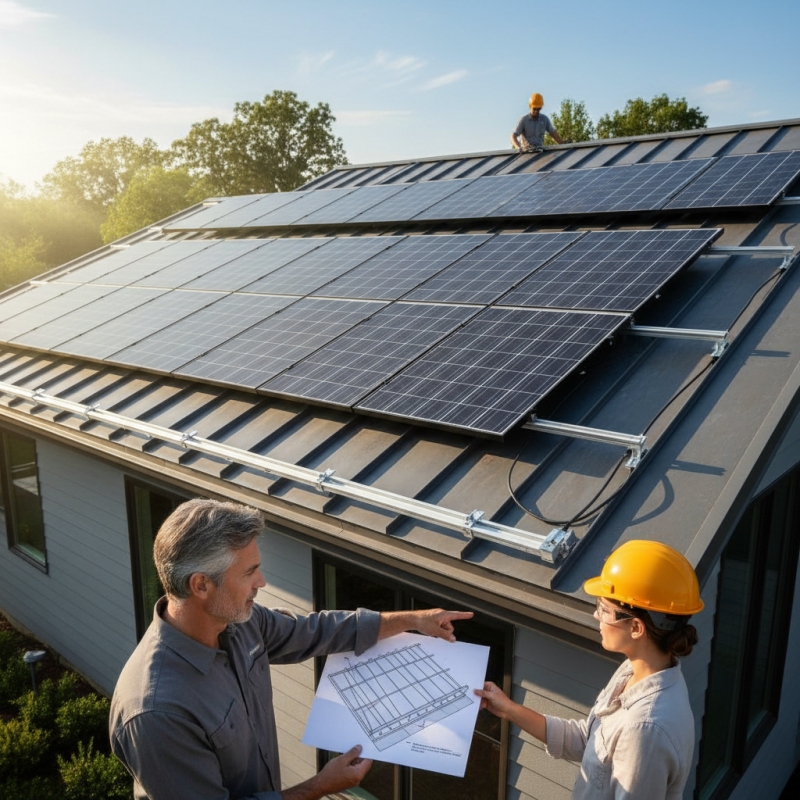
When selecting solar mounting systems for metal roofs, understanding the options available is critical. Various types of systems, like direct-attach mounts and rail-based mounts, serve different needs. Direct-attach systems are often easier to install and can reduce the overall cost. However, they may not be suitable for all roof types. Rail-based systems provide flexibility and stability, which can be particularly advantageous for larger solar installations.
Tip: Assess your roof's age and condition before installation. A well-maintained roof will enhance the longevity of your solar system. Another point to consider is the weight of the mounting system. It's essential to choose a system that won’t overburden your roof structure.
Ventilation is another vital factor to keep in mind. Proper airflow can prevent overheating and damage to the solar panels. Make sure the mounting system allows for some degree of ventilation. This can also prolong the lifespan of the roof itself. Consideration should also be given to local weather conditions. A robust system can withstand high winds and heavy snow loads. Sometimes, buyers overlook the environmental conditions in their area, which can lead to premature failure.
| Tip Number | Consideration | Description |
|---|---|---|
| 1 | Roof Type | Identify if your metal roof is standing seam or corrugated, as this affects mounting options. |
| 2 | Load Capacity | Ensure the mounting system can support the weight of solar panels and withstand wind loads. |
| 3 | Material Quality | Choose high-quality materials that resist corrosion and weather effects to ensure longevity. |
| 4 | Installation Method | Consider whether the system requires drilling or if it uses clamps for a no-penetration solution. |
| 5 | Wind Resistance | Select mounting systems designed to withstand local wind conditions specific to your area. |
| 6 | Aesthetics | Choose a system that aligns with your aesthetic preferences, blending well with the roofline. |
| 7 | Compatibility | Ensure the chosen system is compatible with solar panel sizes and specifications. |
| 8 | Warranty | Look for systems with comprehensive warranties covering both parts and labor. |
| 9 | Ease of Maintenance | Consider how easy it is to access the panels for cleaning and maintenance tasks. |
| 10 | Cost | Evaluate the total cost of the mounting system including installation versus budget. |
: There are direct-attach mounts and rail-based mounts. Each serves different installation needs.
A well-maintained roof enhances the longevity of the solar system. Assess its age and condition carefully.
Choose a system that won’t overburden the roof structure. Too much weight may cause issues over time.
Proper airflow prevents overheating and damage. It can prolong both the solar system and roof lifespan.
Robust systems withstand high winds and heavy snow loads. Analyze your area's environmental conditions carefully.
Aluminum is lightweight, while steel is durable. Each has its pros and cons that need evaluation.
Southern orientations usually capture more solar energy. Steeper roofs may also provide better sunlight exposure.
Experienced installers can identify structural issues. DIY errors can be costly and lead to long-term problems.
Focus on durability and corrosion resistance. Aluminum often meets these requirements and is lightweight.
Compatibility ensures a secure fit and enhances performance. Evaluate options carefully to suit your roof type.
When considering how to choose the right solar mounting system for metal roofs, it is crucial to begin by understanding the various mounting options available. Different types of solar mounting systems cater to specific roof designs, making it essential to assess the type of metal roof you have and its compatibility with solar panels. Additionally, evaluating the structural integrity and load-bearing capacity of your roof ensures that it can support the additional weight of the solar installation.
Key components and features of the chosen solar mounting system should also be considered, as they can affect installation efficiency and overall system performance. Adhering to best practices during installation is vital for metal roofs to prevent potential damage and ensure longevity. By focusing on these critical factors, homeowners can select an optimal solar mounting solution that maximizes energy generation while safeguarding their metal roofs.

 Trope Solar