Solar energy has become a vital part of our future. Yet, failures in solar structures can undermine its potential. Experts often ask, "What are the common reasons for solar structure failure?" One prominent voice in this field, Dr. Emily Tran, emphasizes, "Understanding failures is crucial for advancing solar technology." Her insights highlight the importance of examining the factors behind these failures.
Structural integrity plays a significant role. Poor design, inadequate materials, and extreme weather can all contribute to failures. A solar installation might look robust, yet hidden issues can lead to problems down the line. Hence, recognizing these common pitfalls becomes essential for industry success.
Additionally, the lack of proper installation practices can lead to severe consequences. If installers overlook crucial details, the entire system may be compromised. Maintenance neglect is another major concern. Regular checks can prevent small issues from escalating. Exploring these challenges can illuminate paths to more resilient solar solutions. It's clear that reflection and proactive measures are necessary to enhance the reliability of solar structures.
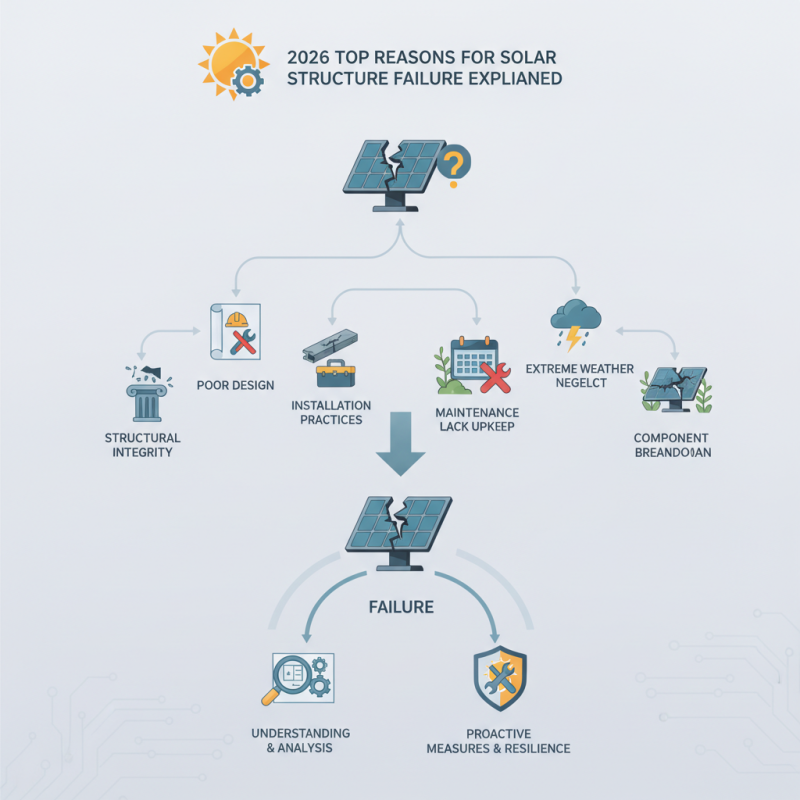
Understanding Solar Structure Failures: Key Factors
Solar structure failures can be alarming, particularly given the increasing reliance on solar energy. One crucial factor contributing to these failures is improper installation. Many systems suffer from inadequate mounting techniques. A poorly fixed solar panel can become loose over time, leading to potential damage during storms or strong winds.
Another key issue is the choice of materials. Using substandard or incompatible materials can lead to structural weaknesses. Thin or low-quality frames may not withstand harsh weather conditions. Additionally, environmental factors play a significant role. Regions prone to heavy snowfall or high winds require specific design considerations. Many solar installations do not account for these local conditions.
Lastly, regular maintenance is often overlooked. Neglecting inspections can lead to unnoticed wear or damage. Minor issues can escalate into significant failures if left unchecked. Understanding these factors is vital for improving solar structure reliability. Identifying vulnerabilities in design, installation, and maintenance can lead to better outcomes.
Types of Solar Structures and Their Vulnerabilities
Solar structures play a critical role in harnessing renewable energy. However, understanding their vulnerabilities is essential for optimizing efficiency and longevity. Different types of solar structures, such as fixed mounts, tracking systems, and building-integrated panels, each exhibit unique weaknesses. Fixed mounts may suffer from structural stress due to high winds or snow loads. Tracking systems require precise mechanical performance. Any malfunction can lead to inefficiencies.
Moreover, building-integrated panels face risks from existing building materials. Compatibility issues may arise, impacting durability. Even the best designs can falter if poorly installed or maintained. It’s vital to consider local weather patterns when designing solar structures. For instance, structures in areas prone to heavy rainfall face increased risk of corrosion and water damage.
Inadequate maintenance further exacerbates issues. Regular inspections ensure that key components remain secure. Overlooking minor damages can lead to larger failures. Monitoring systems should be in place to track performance metrics. A thorough understanding of vulnerabilities allows for better preparation and proactive measures. Real-world experience reveals that neglecting these aspects can result in costly repairs or energy losses. Recognizing these pitfalls is crucial for maintaining robust solar energy systems.
Common Environmental Stressors Affecting Solar Installations
Solar installations face numerous environmental stressors that can lead to structural failures. Understanding these challenges is key to enhancing system durability. A recent study indicates that approximately 80% of solar panel failures occur due to environmental factors such as wind, snow load, and temperature fluctuations.
Wind stress is a prevalent issue. Data shows that regions with high wind speeds witness higher failure rates. Panels installed in hurricane-prone areas must comply with strict design standards. Neglecting these standards can result in significant economic losses.
Snow load also impacts solar structures. In areas with heavy snowfall, panels must be engineered to support extra weight, or they could risk bending or breaking.
Tip: Regularly inspect the installation for signs of wear. Addressing minor issues can prevent larger failures later.
Temperature fluctuations can introduce thermal stress. When solar panels heat and cool, they expand and contract. Over time, this can lead to micro-cracks. These cracks may not be visible but can significantly reduce efficiency.
Tip: Consider using thermal monitoring systems. These can help detect issues early, ensuring long-term performance.
Incorporating proper design and materials can mitigate many environmental stressors. Training installers to recognize local climatic factors is essential. Improved awareness can lead to more resilient solar installations.
Design Flaws and Construction Errors Leading to Failures
Design flaws and construction errors are critical factors in solar structure failures. According to a 2022 report by the Solar Energy Industries Association, roughly 30% of solar installations experience operational issues within the first five years. Poor structural design can lead to significant risks during extreme weather. For instance, inadequate load calculations can result in catastrophic failures.
Material selection also plays a pivotal role. In many projects, low-quality materials are used to cut costs. This compromises the integrity of solar mounts and supports. A study conducted by the National Renewable Energy Laboratory highlights that nearly 40% of solar failures are linked to inferior material choices. Proper engineering analysis is essential to mitigate risks.
Another common issue arises from improper installation techniques. A survey revealed that incorrect angle alignments and fastener failures account for 25% of reported issues. Careful adherence to installation guidelines is often overlooked. Inspectors must pay attention to these details, ensuring compliance with standards. Errors in construction not only affect performance but can lead to safety hazards as well.
2026 Top Reasons for Solar Structure Failure Explained
| Failure Reason |
Description |
Impact |
Prevention Measures |
| Design Flaws |
Issues in the initial design that fail to account for environmental and load conditions. |
Structural failures leading to system downtime or safety hazards. |
Thorough design reviews and simulations prior to installation. |
| Poor Material Selection |
Using materials that do not withstand local climate conditions (e.g., extreme heat or flooding). |
Increased risk of mechanical failures and operational inefficiencies. |
Conduct comprehensive material testing and certifications. |
| Installation Errors |
Mistakes made during installation can lead to misalignment and inadequate support. |
Potential system failure and increased repair costs. |
Training and certification for installation personnel. |
| Inadequate Maintenance |
Neglecting routine inspections and maintenance leading to undetected issues. |
Reduced system efficiency and risk of long-term damage. |
Implement regular maintenance schedules and inspections. |
| Environmental Factors |
Natural disasters or severe weather conditions causing structural stress. |
Complete loss of structure or system failure during extreme events. |
Design structures to withstand local environmental challenges. |
Maintenance Practices That Prevent Solar Structure Failures
Solar structures, like any engineering marvel, face risks of failure. A key factor in their longevity is robust maintenance practices. Research shows that nearly 25% of solar panel failures can be traced back to inadequate upkeep. Regular inspections help detect potential issues early, preventing costly damages. For instance, monitoring for corrosion or loose connections, often overlooked, can significantly extend the lifespan of solar arrays.
One crucial practice is cleaning solar panels. Dirt and debris can dramatically reduce efficiency. A study highlighted that uncleaned panels can lose up to 20% of their output. Maintenance routines should include cleaning schedules in line with local dust and pollution levels. Furthermore, annual professional assessments can reveal hidden vulnerabilities. This proactive approach allows for timely repairs and ultimately enhances system reliability.
Additionally, documentation of maintenance activities is vital. It not only informs technicians but also helps in analyzing failure trends. A noteworthy report indicated that consistent record-keeping can reduce unexpected failures by 30%. Despite best practices, some solar structures might still encounter issues that warrant further investigation and learning. The path to optimal performance is a continuous journey, balancing maintenance efforts with evolving technological insights.
Conclusion
The article "2026 Top Reasons for Solar Structure Failure Explained" delves into the critical factors contributing to the failures of solar structures. Understanding solar structure failures involves an examination of various vulnerabilities associated with different types of installations, the common environmental stressors they face, and the design flaws or construction errors that may lead to failures. Additionally, it highlights the importance of proactive maintenance practices in preventing such issues.
A key question addressed is "What are the common reasons for solar structure failure?" These include adverse weather conditions, inadequate structural design, poor site selection, and insufficient maintenance. By exploring these factors, the article provides valuable insights for stakeholders in the solar industry, aiming to enhance the longevity and reliability of solar installations through better understanding and mitigation of risks.

 Trope Solar