Solar structures rarely fail for one reason alone. A rack may look solid on a clear morning, yet struggle when gusts lift panel edges, snow loads its rails, or water sits around a poorly drained footing. Corrosion can quietly thin bolts and connections. Weak soil, undersized foundations, installation errors, and missed inspections add further risk. Small details matter: a loose clamp, an uneven post, or a row set too close to an exposed roof edge can change how forces travel through the system.
So, What are the common reasons for solar structure failure? The answer usually involves design assumptions, site conditions, materials, workmanship, and maintenance—not one dramatic defect. Engineers should check wind and snow demands, soil capacity, drainage, connection strength, and compatibility between components. They should also compare drawings with the finished installation. That step is easy to overlook. A checklist helps, but it cannot replace careful judgment; even a compliant design may perform poorly if field conditions differ from the survey. I can’t verify a verbatim statement from a named solar-structure expert using the material provided, so I won’t invent one. A sourced expert quotation would strengthen this introduction. Until then, the safest starting point is evidence: inspect the site, document connections, and investigate early signs such as shifting posts, cracked concrete, or rust at fasteners.
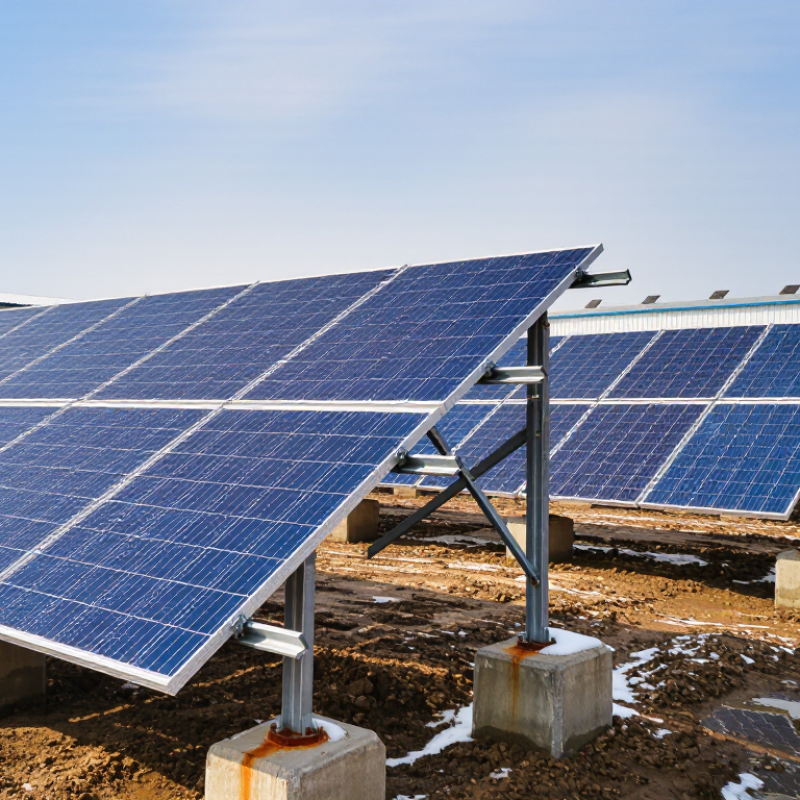
Structural Design and Load Calculation Errors
Solar structure failures often start with incorrect design assumptions, not dramatic material defects. A load calculation may use regional wind data but overlook roof height, edge zones, terrain, or local turbulence. Those details matter. Wind uplift can pull modules and rails upward, especially near roof corners. Snow adds downward pressure, and uneven drifting can concentrate weight in one area.
A recurring field problem is treating every roof as if its framing were identical. The actual rafter spacing, wood condition, and attachment depth can differ from drawings. If rail spans are too long, they may flex; if fasteners miss structural members, the entire load path weakens. Small errors add up. A sound design checks module loads, rail capacity, connections, and the roof structure as one system. It also records the assumptions behind each calculation, so installers can compare them with site conditions. That step is sometimes rushed. It should not be. When measurements conflict with the plan, pause and have a qualified structural professional review the design before installation continues. One more site check can prevent a costly surprise years later.
Foundation Weakness and Soil Movement
A solar structure may look rigid, but its stability begins below the panels.
Weak or poorly compacted soil can allow posts to settle unevenly, particularly after heavy rain. Even a small height difference can twist rails, loosen connections, and add stress to modules. The warning signs are often subtle. Check for a leaning post, a widening gap around a footing, or water that remains after nearby ground has dried. Clay can swell and shrink with seasonal moisture changes, while loose fill may compress under repeated loading. Surface appearance alone cannot reveal what is happening underground.
A site-specific geotechnical assessment can identify soil strength, drainage conditions, and likely movement before foundations are installed. Foundation depth and type should reflect those findings, not a generic assumption about the site. For an existing array, compare post positions over time and note changes after storms or dry spells. Small movements matter. Still, a crack or tilt does not automatically prove foundation failure; installation details and local soil conditions need review. One easily missed issue is redirected runoff: a drain outlet can soften soil beside a footing. Keep dated photos, measurements, and notes on standing water, even when the changes seem minor.
Material Defects, Corrosion, and Fatigue
Material defects, corrosion, and fatigue often weaken solar structures before a dramatic failure occurs. Thin galvanizing, poor welds, or mismatched fasteners can create weak points. On a rooftop, water may collect around a bolt; outdoors, salt and moisture can eat through a coating. The National Renewable Energy Laboratory’s Best Practices for Operation and Maintenance of Photovoltaic and Energy Storage Systems recommends regular inspections and preventive maintenance. That advice matters: small defects are easier to address before they spread.
Corrosion reduces metal thickness, while repeated wind and thermal movement can fatigue joints. NREL researcher Dirk Jordan and Sarah Kurtz reviewed nearly 2,000 photovoltaic systems and found a median module degradation rate near 0.5% per year. This measures modules, not support structures, so it should not be treated as a rack-failure rate. Still, it shows why long-term exposure deserves attention. A weak connection may look harmless for years. That is the uncomfortable part.
Tips: Check welds, coatings, loose bolts, and water traps after installation and severe weather. Record each inspection with close-up photos. Compare findings over time; a small rust spot can be easy to dismiss, and I have seen that judgment prove wrong. Follow the project’s engineering specifications for inspection and repair.
Installation Errors and Connection Failures
Installation errors often begin with details that seem minor: a clamp set outside its approved zone, a fastener tightened unevenly, or a rail attached to weak roof framing. These defects concentrate wind uplift and vibration at a few points. Over time, holes can elongate, rails can shift, and modules may no longer sit evenly. NREL’s photovoltaic operations and maintenance best-practices guide recommends checking mounting hardware, structural condition, and electrical connections during inspections. A rushed handover can leave these checks undocumented. That gap matters.
Connection failures can start where dissimilar metals meet, where cable insulation rubs against a sharp rail, or where a connector is only partly seated. Water and heat then worsen the contact, increasing resistance and creating hot spots. NREL researchers Jordan and Kurtz reviewed nearly 2,000 reported photovoltaic degradation rates; the median was about 0.5% per year. That figure describes module degradation, not connection failure, but it gives operators a useful baseline: sudden output losses deserve investigation. A handheld thermal camera can reveal a hot connector that looks normal from the ground.
Some faults are easy to miss. Inspectors should verify fastener torque against the installation specification, check bonding continuity, and look for movement around roof attachments. I would not label every loose bolt a design flaw; sometimes the installation record is simply incomplete. That distinction is worth documenting.
Weather Extremes and Inadequate Maintenance
Weather extremes and poor maintenance often work together. Wind lifts panel edges, while repeated temperature swings loosen fasteners and stress rails. Heavy rain can expose weak roof attachments or blocked drainage. Salt air adds corrosion near coasts. Small gaps matter. A loose clamp may seem harmless until gusts pull against the full array.
The U.S. National Oceanic and Atmospheric Administration recorded 28 billion-dollar weather and climate disasters in 2023, causing about $92.9 billion in losses. This is not a solar-failure count, but it shows the scale of hazardous conditions installers must consider. The National Renewable Energy Laboratory’s Best Practices for Operation and Maintenance of Photovoltaic and Energy Storage Systems recommends planned inspections and maintenance. In practice, crews should check mounting hardware, corrosion, roof penetrations, and drainage, especially after severe storms.
Then comes wind. A post-storm inspection can reveal shifted modules, cracked sealant, or a bracket pulling away from its attachment point. Do not rely on a quick glance from the ground; some damage hides beneath panels. Records also matter: note torque checks, repairs, and unusual movement. Still, inspection schedules are easy to postpone. That is a real weakness. NREL’s guidance supports structured maintenance, but site conditions differ, so inspection frequency should reflect local exposure, system design, and observed wear.
What Are the Top Causes of Solar Structure Failure?
Weather extremes and inadequate maintenance can both threaten solar structures. The chart shows NOAA’s Saffir–Simpson hurricane wind-speed thresholds—not solar-structure failure thresholds.
Why it matters: Strong winds can place substantial loads on panels, racking, and foundations. Regular inspections and timely repairs can help identify loose connections, corrosion, and other issues before they worsen. Actual structural performance depends on the system design, installation, site conditions, and maintenance.
Conclusion
Solar structure failure often results from several preventable problems rather than a single cause. What are the common reasons for solar structure failure? Key factors include design or load-calculation errors that leave a structure unable to withstand expected wind, snow, or equipment weight; weak foundations or shifting soil that cause movement and uneven support; and material defects, corrosion, or long-term fatigue that reduce strength over time. Poorly selected components can also deteriorate faster when exposed to moisture and changing temperatures.
Installation quality matters just as much as design. Incorrect assembly, loose fasteners, or poorly made connections can create vulnerable points that worsen under stress. Severe weather may expose these weaknesses, while inadequate inspections and maintenance allow small issues to develop into serious damage. Careful engineering, suitable materials, correct installation, and regular checks can help reduce these risks and extend the structure’s service life.

 Trope Solar