Top 5 Cable Management Tips for Long Term Solar Performance?

Time:2026-06-10 Author:Isabella
0%

In the renewable energy sector, cable management is critical. "Why is cable management important for long-term solar performance?" This question resonates deeply with industry professionals. Dr. Emily Chen, an expert in solar energy systems, emphasizes, “Proper cable organization ensures efficiency and longevity.”

Good cable management reduces wear and tear. Cables are vulnerable to sun exposure and physical damage. Without proper management, they can fray or become disconnected. For instance, tangled or loose cables increase the risk of overheating. This can lead to a significant drop in energy production over time.

Many overlook cable management in the installation process. This oversight can result in costly repairs or replacements later. Regular maintenance checks can help identify issues early. In short, without discipline in cable management, the effectiveness of a solar system diminishes. Investing time to organize cables can pay off significantly in long-term efficiency.
Top 5 Cable Management Tips for Long Term Solar Performance?

Understanding the Importance of Cable Management in Solar Systems

Proper cable management is crucial for optimizing solar system performance. It affects not only the system's efficiency but also its longevity. Loose or improperly routed cables can lead to wear and tear over time. This can cause energy losses and even safety hazards.

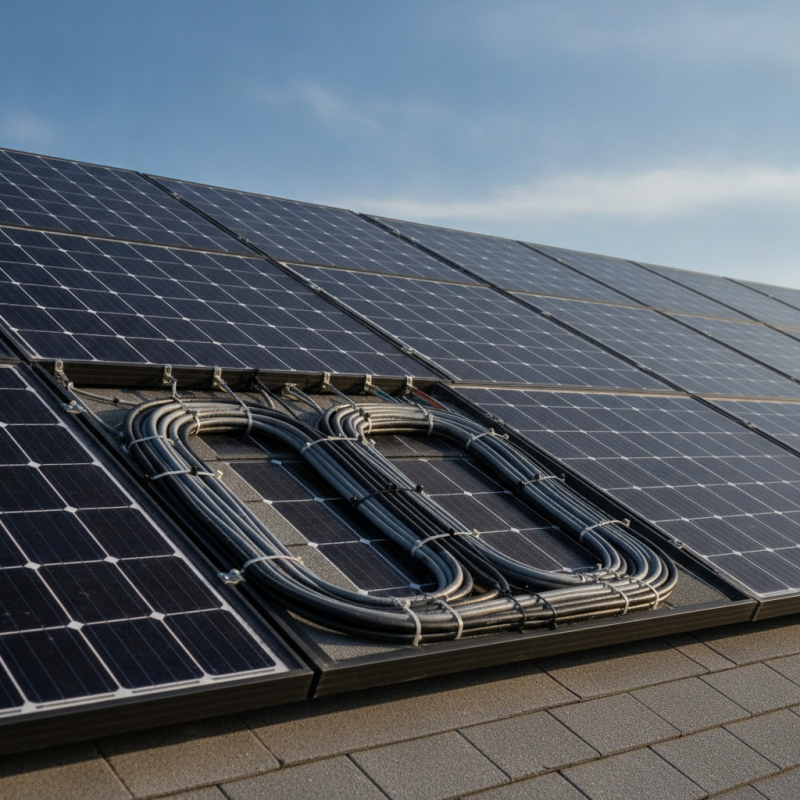
One effective tip is to use cable trays or conduits. These help organize cables and reduce clutter. Minimizing cable exposure to sunlight or weather conditions is essential. Cables tend to deteriorate if exposed for prolonged periods. Additionally, ensuring that cables are not too tightly secured prevents stress points. This small adjustment can extend the lifespan of your installation significantly.

Regular inspections are another key aspect of cable management. Check for signs of wear or damage every few months. Early detection of issues can prevent more serious problems later. Lastly, labeling the cables can simplify future maintenance. It offers clarity when troubleshooting or upgrading the system. Although these tasks require effort, they contribute to effective solar performance. Ensuring that your system runs at its best should always be a top priority.

Selecting the Right Cables for Optimal Solar Performance

Selecting the right cables is crucial for optimal solar performance. The materials used can affect efficiency and longevity. Copper and aluminum are common options. Each has its pros and cons. Copper offers better conductivity but comes at a higher cost. Aluminum is lightweight and more affordable but can lead to higher resistance levels.

Installation is another key concern. Ensure proper insulation and durable connectors. Poor connections can cause power losses. Avoid sharp bends in cables to maintain performance. Thinking ahead can save you from frequent replacements. A flawless installation initially may not guarantee long-term success.

Regular checks on cable wear are necessary. Look for signs of damage or corrosion. Environmental factors, like extreme temperatures, can affect durability. A proactive approach can prevent issues down the line. This is an important part of maintaining your solar system's efficiency. Ignoring these details might not yield immediate consequences, but they can lead to larger problems over time.

Top 5 Cable Management Tips for Long Term Solar Performance

Tip Number Management Tip Description Optimal Cable Type Expected Lifespan
1 Choose UV-Resistant Cables Use cables specifically designed to withstand UV exposure to prevent degradation. XLPE or HMWPE 25+ years
2 Properly Route Cables Keep cables out of high foot traffic areas to avoid damage. Tinned Copper 20 years
3 Use Cable Ties and Clips Secure cables with ties to minimize movement and wear. UV-Stabilized Nylon 5+ years
4 Consider Cable Size Choose the right gauge to minimize resistance and heat buildup. Larger Gauge Cables (e.g., 10 AWG) 20+ years
5 Routine Inspections Inspect cables regularly for signs of wear or damage. N/A N/A

Proper Routing Techniques to Avoid Cable Damage

When installing solar panels, proper cable management is crucial for long-term performance. Poorly routed cables can lead to damage and decreased energy efficiency. Using clips and brackets can help keep cables secure and prevent them from rubbing against sharp edges. It may seem trivial, but small details like these can make a big difference.

Consider avoiding tight bends in cables. Sharp turns can create stress points, increasing the risk of insulation damage. Always maintain a gentle curve when routing cables. This simple technique enhances durability and reduces maintenance needs over time. Also, ensure that cables are not exposed to excessive heat sources or moisture; these environmental factors can degrade the materials.

Regular inspections can identify potential issues early. Over time, cables may wear down or become loose. It’s worth checking connections at least twice a year. This proactive approach can save time and money in the long run. Remember, even a small oversight in cable management can lead to costly repairs. Taking the time for proper routing pays dividends in performance.

Securing Cables to Prevent Movement and Wear

Cables are vital for solar performance. Proper management keeps them secure and maintains efficiency. When cables move or wear, it leads to failures. Preventing this is essential.

To secure cables effectively, use cable clips or ties. These tools can help you fasten cables to roofs or walls. They reduce movement during strong winds or storms. Be careful, though. Over-tightening can damage cables. Regular inspections are necessary to ensure everything stays intact.

Consider environmental factors when securing cables. Sun exposure can degrade materials over time. Choose clips or ties that resist UV rays. These choices increase longevity and reliability. Rethink your setup often. Make adjustments to adapt to shifting weather patterns. Stay proactive, and your solar system will perform better over time.

Top 5 Cable Management Tips for Long Term Solar Performance

Regular Maintenance Practices for Long-Term Cable Integrity

Ensuring the integrity of solar cables is crucial for long-term performance. Regular inspections of cable connections can prevent potential failures. According to a report by the National Renewable Energy Laboratory, improper cable management contributes to a 15% decrease in energy production. Ensuring that cables are free from abrasions and exposure to UV light significantly extends their lifespan.

Maintenance practices play a pivotal role. It is vital to regularly check for loose connectors and wear on the insulation. Over time, environmental factors like rain and extreme temperatures can cause degradation. A study indicates that 75% of solar energy systems experience issues due to poor cable management. Documenting each inspection helps track the condition over time, ensuring reliable performance.

Adopting preventive measures is essential. For example, using cable ties can minimize movement and reduce wear. Keeping cables organized also aids in quick identification of issues. Weak points often go unnoticed until they cause failures. The longevity of any solar installation depends heavily on the attention given to cable maintenance. Investing time in this area pays dividends in performance and efficiency.

FAQS

: Why is cable management important in solar systems?

: Proper cable management boosts system efficiency and longevity, reducing energy loss and safety hazards.

How can I organize cables effectively?

Use trays or conduits to reduce clutter and organize cables properly.

What happens if cables are exposed to sunlight?

Prolonged exposure can lead to cable deterioration, affecting performance.

How tightly should cables be secured?

Cables shouldn’t be too tightly secured; this prevents stress points and extends lifespan.

How often should I inspect my solar cables?

Regular inspections every few months help catch wear or damage early.

What materials are commonly used for solar cables?

Copper and aluminum are popular; copper has better conductivity, while aluminum is lightweight.

How can poor installation affect cables?

Bad connections can cause power losses, while sharp bends can damage cables.

Why is it essential to avoid sharp bends in cables?

Sharp bends create stress points, risking insulation damage and reducing performance.

What environmental factors can impact cable durability?

Extreme temperatures, moisture, and heat sources can degrade cable materials.

What is the long-term benefit of proper cable routing?

Proper routing reduces maintenance needs and enhances overall system durability.

Conclusion

Effective cable management is crucial for ensuring long-term solar performance. Properly organizing and securing cables not only minimizes the risk of damage but also enhances the efficiency of the entire solar system. Understanding why cable management is important for long-term solar performance involves recognizing that well-routed and maintained cables can prevent energy loss and prolong the lifespan of solar components.

Selecting the right cables tailored to the specific needs of the solar setup is vital. Proper routing techniques are essential to avoid wear and tear, while securing cables effectively prevents movement that can lead to deterioration. Regular maintenance practices, including inspections and cleanings, further ensure that cables remain intact and functional over time. By implementing these best practices, solar system owners can significantly improve the reliability and longevity of their installations.

Isabella

Isabella

Isabella is a dedicated marketing professional with a sharp focus on driving brand growth and engagement through strategic content creation. With an extensive background in digital marketing, she combines her passion for storytelling with her keen understanding of industry trends to deliver......