Upgrading procurement processes is a critical decision for businesses today. The rise of tracker technology has sparked debate on its benefits. Many companies are questioning, "Is it worth upgrading from fixed structures to trackers?" This question holds significant weight as organizations strive for greater efficiency and cost-effectiveness.
Trackers offer real-time data and analytics. They streamline the procurement cycle, enabling teams to make informed decisions. However, the transition involves challenges, such as adapting to new systems. Companies may face resistance from team members accustomed to traditional processes. It's essential to weigh these potential hurdles against the advantages that trackers bring.
Investing in trackers can lead to improved supplier management and reduced costs. Yet, not all businesses may need such advancements. Each organization’s needs are unique, requiring careful consideration before making this shift. As we explore the top benefits of upgrading to trackers, it becomes clear that understanding the trade-offs is crucial for successful implementation.
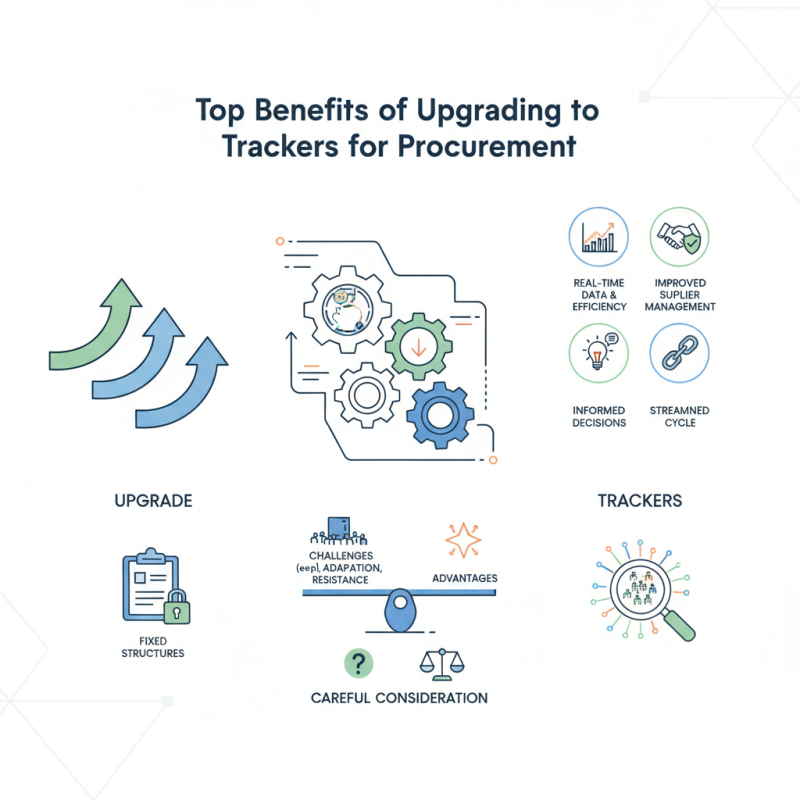
Enhanced visibility in procurement trackers brings significant advantages for organizations in 2026. Research shows that companies embracing tracker technology can reduce procurement costs by up to 15%. This visibility allows teams to identify inefficiencies quickly. Knowing where every dollar is spent fosters better decision-making.
Moreover, procurement trackers provide real-time data insights. According to industry reports, 65% of businesses report improved supplier relationships after adopting these trackers. Visibility into supplier performance leads to more productive negotiations. Companies can address issues promptly, enhancing collaboration and accountability.
However, the transition to such advanced systems is not without hurdles. Many organizations struggle with data integration and user engagement. A report highlights that 30% of procurement teams face challenges in adopting new technologies. Continuous training is essential. Organizations must regularly review these systems to ensure they effectively meet changing needs. Neglecting this aspect can lead to underutilized features and lost benefits.
Transitioning to advanced trackers in procurement can yield significant cost reductions. Automation enhances efficiency, streamlining processes and reducing errors. According to a report from Gartner, companies that adopt automation can achieve up to a 30% reduction in operational costs. This data emphasizes the financial benefits that businesses can reap by leveraging technology in their procurement practices.
Trackers allow for better data management and analysis. Real-time insights enable organizations to identify cost-saving opportunities quickly. A McKinsey survey suggests that organizations utilizing improved procurement tools can lower their purchasing costs by 10-25%. By automating routine tasks, staff can focus on strategic initiatives, resulting in higher productivity.
**Tip:** Regularly evaluate your current procurement processes. Identify tasks that can be automated to increase efficiency. It’s crucial to adapt your approach continuously, as technology evolves rapidly.
Cost reduction is not merely about cutting expenses; it's also about investing in tools that foster growth. Trackers can be a valuable asset, but organizations must monitor their integration. Assessing performance post-implementation is essential. Adjusting strategies based on feedback ensures the procurement process remains effective while maximizing savings.
The procurement landscape is evolving. Streamlined supplier management plays a critical role in driving efficiency and collaboration. A report from the Hackett Group shows that companies leveraging advanced tracking tools see a 20% increase in supplier performance. This shift fosters better communication, leading to stronger partnerships.
Effective supplier management isn't just about technology. Regular feedback loops, often facilitated by tracking systems, enhance collaboration. According to a study by Deloitte, firms with structured supplier evaluation processes report 15% higher satisfaction in their supplier relationships. Yet, the challenge remains in ensuring these systems are utilized effectively. Some organizations struggle to adapt to new platforms, risking the potential benefits.
The impact on procurement can be significant. Improved data visibility allows for faster decision-making and better resource allocation. However, organizations must be cautious. Not all suppliers will adapt at the same rate. A mismatch in expectations can lead to frustration. Therefore, continuous improvement and open dialogues are essential to reap the full benefits of upgraded tracking systems.
Data-driven decision-making is reshaping the procurement landscape. Companies increasingly rely on analytics and trackers for informed choices.
A recent report from Deloitte indicated that 81% of procurement leaders use analytics to optimize spending.
This statistic reflects a growing trend toward leveraging data for strategic initiatives.
Tracking software can highlight procurement inefficiencies. By analyzing patterns in spending, organizations can eliminate wasteful purchases.
A Gartner study revealed that using procurement analytics can reduce costs by up to 10%.
Decision-makers can make choices backed by reliable data, rather than intuition.
Tip:
Start small by implementing tracking on key categories.
This can provide quick insights and drive improvement.
Moreover, organizations must understand that data quality matters. Inaccurate data can lead to misguided decisions.
It’s crucial to verify the source and accuracy of your analytics.
A study by McKinsey found that 70% of leaders felt that improving data quality could enhance their procurement strategy.
Tip:
Regularly review data sources and metrics to ensure they stay relevant.
This process builds a robust analytics framework that supports strategic procurement initiatives.
In 2026, organizations face an increasing need for robust compliance and risk mitigation strategies. Trackers provide a transparent way to oversee procurement processes. Enhanced governance through technology can lead to better decision-making. According to a report from the Institute for Supply Management, up to 60% of organizations struggle with compliance monitoring. This gap exposes them to potential legal risks.
Integrating trackers can significantly streamline oversight. They can not only automate compliance checks but also provide real-time data insights. These insights allow procurement teams to identify potential risks before they escalate. Detailed analysis from Deloitte notes that companies using advanced tracking tools achieve a 30% reduction in procurement-related risks. However, the challenge remains in correctly interpreting the data generated.
Organizations must also reflect on their implementation strategies. Misalignment between technology and company culture can hinder effectiveness. A study by McKinsey highlights that 20% of procurement initiatives fail due to lack of buy-in. As companies enhance their governance frameworks, the role of trackable metrics becomes crucial for sustainable growth and accountability.
| Benefit | Description | Impact on Governance | Risk Mitigation |
|---|---|---|---|
| Enhanced Compliance Tracking | Automated monitoring of procurement processes to ensure adherence to regulations. | Improves the accuracy of compliance reporting. | Reduces the risk of legal penalties. |
| Increased Accountability | Clear tracking of procurement activities and decision-makers. | Strengthens governance by making stakeholders responsible for their actions. | Minimizes instances of fraud and misconduct. |
| Improved Supplier Management | Ability to assess supplier performance based on real-time data. | Enhances governance by ensuring suppliers meet contractual obligations. | Reduces risks associated with underperforming suppliers. |
| Data-Driven Insights | Access to analytics for better decision-making in procurement. | Strengthens governance by promoting evidence-based strategies. | Helps identify and mitigate potential procurement risks proactively. |
| Streamlined Processes | Reduction of manual tasks through automation. | Improves overall governance structure by enhancing efficiency. | Decreases the likelihood of errors in procurement activities. |
: Procurement trackers can reduce costs by up to 15% and improve decision-making through visibility.
65% of businesses report improved supplier relationships, thanks to enhanced performance visibility and productive negotiations.
Many face data integration issues. Approximately 30% of teams struggle with user engagement.
Regular training helps teams maximize tracker features and adapt to changing needs over time.
Companies utilizing advanced tracking tools can see a 20% increase in supplier performance and collaboration.
Suppliers adapt at different rates, leading to frustration if expectations aren't aligned.
Trackers automate compliance checks and provide real-time insights to identify and address risks early.
Misalignment between technology and company culture can hinder effective utilization of trackers.
Regular feedback loops enhance collaboration and increase satisfaction in supplier relationships.
Neglecting reviews can lead to underutilized features and diminished benefits over time.
The article "2026 Top Benefits of Upgrading to Trackers for Procurement" highlights the significant advantages of transitioning from fixed structures to procurement trackers. Key benefits include enhanced visibility, which allows for real-time insights into procurement processes, leading to better decision-making. Additionally, automation and efficiency improvements contribute to notable cost reductions, while streamlined supplier management fosters increased collaboration and overall performance.
As organizations strive for data-driven decision-making, leveraging analytics within procurement trackers emerges as a critical asset. Furthermore, enhanced governance through compliance and risk mitigation ensures that businesses can navigate challenges more effectively. This comprehensive approach raises the question: Is it worth upgrading from fixed structures to trackers? The evidence suggests that the multifaceted benefits make a compelling case for such an upgrade in 2026 and beyond.

Trope Solar