Waterproofing roof penetrations is crucial for solar installations. As the solar industry expands, proper sealing techniques become more essential. According to the National Renewable Energy Laboratory (NREL), poorly sealed penetrations can lead to significant water damage. In fact, about 25% of roof leaks are linked to installation flaws.
How to waterproof roof penetrations during solar installation? This question has become increasingly important as solar systems proliferate across residential and commercial rooftops. Research indicates that the average cost of roof repairs can exceed $1,000. Effective waterproofing not only prevents leaks but also enhances system longevity, promoting safety and reliability.
Despite available guidelines, many installers overlook best practices. They often rush through the process, which can lead to mistakes. Many factors, like weather conditions and material selection, influence waterproofing success. A detailed approach to this topic is essential for industry professionals. Emphasizing quality over speed can prevent future headaches.
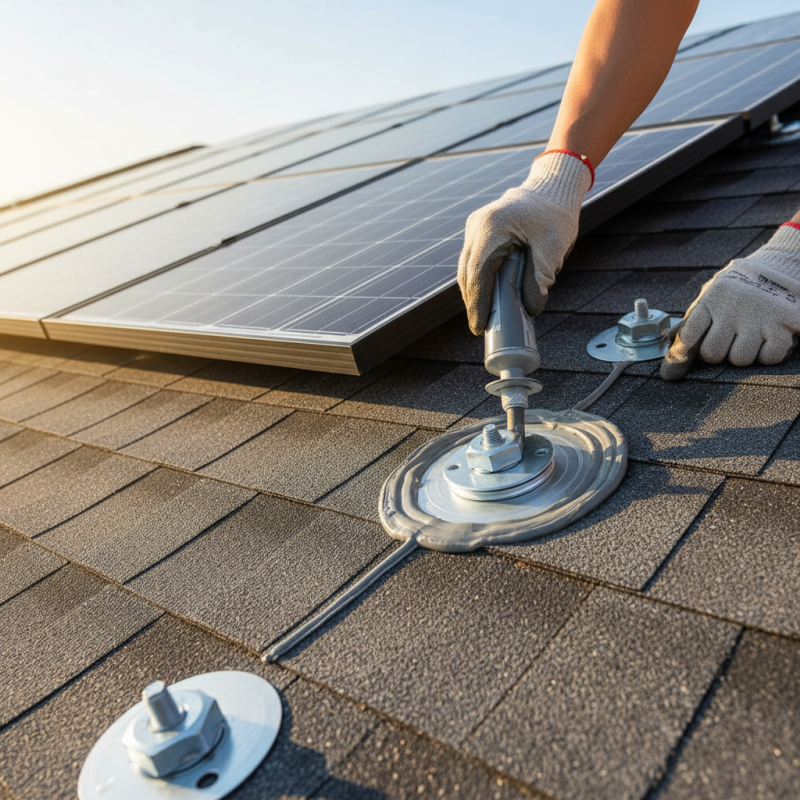
Waterproofing roof penetrations is critical for solar installations. A 2023 report by the National Renewable Energy Laboratory noted that improper sealing can lead to substantial roof damage and frequent leaks. Such issues often require costly repairs, which underscores the need for effective waterproofing techniques.
One common approach is using high-quality sealants. These materials must be UV resistant and flexible. The American Society for Testing and Materials recommends products that can expand and contract with temperature shifts. Proper application is crucial. This often involves cleaning the area thoroughly and ensuring a smooth surface for the sealant. Furthermore, not all installations are equal. Some roof types may require different materials or techniques.
Regular maintenance is also vital. Inspections should occur bi-annually, especially after severe weather events. It's easy to overlook tiny gaps, but they can worsen over time. A proactive approach can save significant expenses down the road. Many installers neglect these details, which can lead to frustrating callbacks. Engaging with experts can enhance the overall effectiveness of your waterproofing efforts.
| Tip Number | Tip | Description | Recommended Materials |
|---|---|---|---|
| 1 | Select Quality Flashing | Use high-quality metal flashing to protect around penetrations. | Aluminum or Stainless Steel |
| 2 | Proper Sealant Application | Apply sealant evenly around the penetration to create a watertight barrier. | Silicone or polyurethane sealant |
| 3 | Maintain Drainage | Ensure drainage is not blocked by installations to prevent water pooling. | Drains and gutters |
| 4 | Regular Inspections | Conduct periodic inspections to check for any signs of leaks or wear. | Inspection tools |
| 5 | Use Waterproof Collars | Install waterproof collars around pipes to seal around joints. | Rubber or silicone collars |
| 6 | Ventilation Check | Ensure that ventilation is adequate without compromising waterproofing. | Vent covers |
| 7 | Use Water-Resistant Conduits | Opt for conduits that are designed to withstand water exposure. | PVC or coated metal conduits |
| 8 | Implement Roof Coatings | Use waterproof roof coatings to protect roof penetrations. | Acrylic or elastomeric coatings |
| 9 | Plan for Expansion and Contraction | Consider climate effects when planning roof penetration installations. | Flexible materials |
| 10 | Follow Manufacturer Instructions | Always adhere to manufacturer guidelines for waterproofing products. | Product-specific guidelines |
: Common types include conduit entries, mounting brackets, and roof hatches.
Inspections should occur at least once a year to identify wear or damage.
Improper sealing can lead to moisture ingress and contribute to roof leaks.
A minimum thickness of 3/8 inch is recommended for effective sealing.
Routine checks can prevent costly repairs and ensure long-term performance.
High-quality silicone sealants and specialized flashing systems are ideal for waterproofing.
Yes, improper sealing can reduce system efficiency by up to 20% over time.
Materials must be UV-resistant and able to handle temperature fluctuations for longevity.
Small gaps during installation are often overlooked and can lead to serious issues later.
They prevent leaks and enhance the durability of the solar installation over time.
In the process of installing solar panels, one critical consideration is how to waterproof roof penetrations effectively. The article outlines the top 10 tips for ensuring the integrity of these crucial areas, starting with an understanding of common roof penetrations and their vulnerabilities. By employing industry best practices for sealing solar mounting hardware, you can significantly reduce the risk of leaks.
Utilizing high-quality waterproofing materials is essential for enhancing the longevity of these seals. Additionally, implementing regular inspections can help maintain the integrity of the roof penetration over time. This proactive approach not only safeguards the roof but also ensures the longevity and efficiency of your solar installation.

 Trope Solar