Top 10 Tips to Prevent Galvanic Corrosion in Solar Racking?

Time:2026-05-11 Author:Mason
0%

Galvanic corrosion is a hidden threat to solar racking systems. It occurs when dissimilar metals come into contact, leading to metal deterioration. This phenomenon can compromise the integrity and lifespan of solar installations. As renewable energy grows, understanding how to prevent galvanic corrosion in solar racking becomes essential for system reliability.

Solar racking systems often utilize various metal components. Each material has different electrochemical properties. Such differences can catalyze galvanic corrosion if not properly managed. It's crucial to select compatible materials and employ protective measures. This not only safeguards the structure but also enhances overall performance.

Effective prevention requires attention to detail. Regular inspections and maintenance are indispensable. Visual checks can identify early signs of corrosion. Innovative coatings and designs can provide additional barriers. Yet, this process can be overlooked in fast-paced installations. Thus, understanding the risks and actively addressing them is vital for longevity and efficiency.
Top 10 Tips to Prevent Galvanic Corrosion in Solar Racking?

Understanding Galvanic Corrosion in Solar Racking Systems

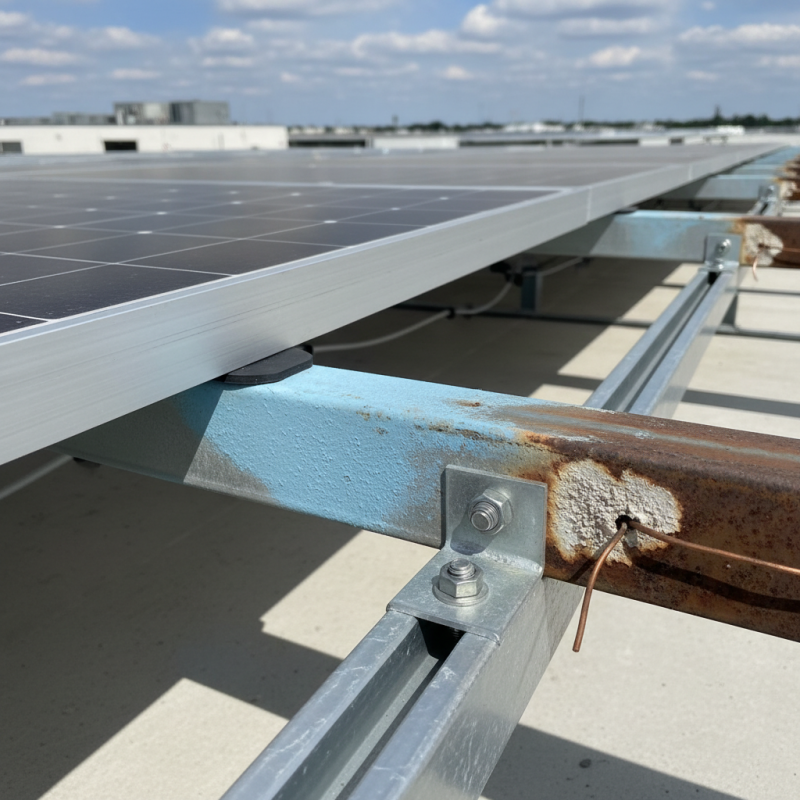
Galvanic corrosion is a significant threat to solar racking systems. This phenomenon occurs when two different metals, in contact with each other and an electrolyte, create a galvanic cell. Understanding how this process works can help you prevent its damaging effects.

To mitigate galvanic corrosion, select compatible materials for racking systems. Using metals with similar electrode potentials can reduce the risk of corrosion significantly. Stainless steel fasteners paired with aluminum rails often create issues due to their differing potentials.

Regularly inspecting the system is essential. Look for signs of corrosion, such as pitting or discoloration. Cleaning the area around the joints can also help. Another effective tip is to apply protective coatings, such as paint or anodizing, to metal surfaces. These barriers can shield the metals from moisture and electrolytic agents.

It's crucial to be mindful of dissimilar metal contact, especially in coastal areas. The presence of saltwater increases the likelihood of galvanic corrosion. If you do notice corrosion, address it promptly to prevent further damage. A proactive approach will extend the lifespan of your solar racking system.

Top 10 Tips to Prevent Galvanic Corrosion in Solar Racking

Tip Number Tip Description Additional Notes
1 Use Compatible Metals Ensure all metals in contact are galvanically compatible.
2 Isolate Metals Use insulating materials between different metal types.
3 Regular Maintenance Schedule inspections to identify early signs of corrosion.
4 Protective Coatings Apply corrosion-resistant coatings to metal surfaces.
5 Use Sacrificial Anodes Incorporate anodes to protect more valuable metals.
6 Avoid Moisture Accumulation Design systems to minimize standing water accumulation.
7 Monitor Electrical Connections Check for good electrical connectivity to reduce current flow.
8 Educate Installation Teams Train teams on best practices for material selection.
9 Choose Quality Fasteners Select stainless steel or coated fasteners to avoid corrosion.
10 Conduct Regular Testing Perform testing for galvanic activity periodically.

Identifying Corrosion-Resistant Materials for Solar Installations

When setting up solar installations, selecting corrosion-resistant materials is essential. Corrosion can significantly shorten the lifespan of solar racking systems, costing both time and money. According to a report by the National Renewable Energy Laboratory, choosing the right materials can increase the system's longevity and performance by over 20%. Common materials to consider include aluminum, stainless steel, and specific alloys that offer enhanced resistance to corrosive environments.

To effectively prevent galvanic corrosion, ensure that dissimilar metals are not in direct contact. This can lead to accelerated deterioration. Another effective tip is to apply protective coatings on metal surfaces. Studies show that even a simple layer of corrosion-resistant paint can extend the life of your installation.

Regular inspections are key to catching early signs of corrosion. Incorporating a monitoring system can help detect moisture build-up or deterioration before it becomes a major issue. Proper drainage is also crucial; ensure that the installation design facilitates water runoff. These preventative steps not only safeguard your investment but also enhance the overall reliability of solar systems over time.

Implementing Insulation Techniques to Reduce Electrolytic Reactions

Electrolytic reactions can pose a significant risk in solar racking systems. Protecting against galvanic corrosion starts with effective insulation techniques. Using non-conductive materials for connections can greatly reduce the chances of electrical flow between dissimilar metals. It’s crucial to choose insulators that are durable and resistant to environmental factors. Regular inspections of these materials can help detect wear and tear early, preventing costly damage.

Additionally, applying coatings to metal surfaces can serve as a barrier. This approach limits exposure to moisture and contaminants, which foster corrosion. When selecting protective coatings, consider their compatibility with solar racking components. A mismatch can lead to failure in the insulation layer, ultimately allowing corrosion to develop. Implementing an ongoing maintenance schedule is essential for checking the integrity of these coatings.

Lastly, keep in mind that over time, even the best insulation methods may degrade. Continuous monitoring is necessary, as the environmental impact can change. Reflecting on past installations can provide insights into common pitfalls. Understanding these details enables better planning for future solar projects.

Regular Maintenance Practices to Monitor and Prevent Corrosion

Regular maintenance practices are essential for monitoring and preventing galvanic corrosion in solar racking systems. Inspect the solar panels and racking materials regularly. Look for signs of wear, corrosion, or displacing parts. Sometimes, these issues can go unnoticed until it is too late. Using a checklist during inspections can help ensure nothing is overlooked.

Additionally, consider employing a corrosion mitigation strategy. This may involve applying protective coatings to metal parts. Some coatings prevent moisture from interacting with the metal surfaces. Properly sealing joints and connections can also play a significant role. Remember, although these measures are effective, they are not foolproof. Routine checks are still needed to maintain integrity.

It’s crucial to document maintenance activities. This includes inspections, repairs, and any preventative measures taken. Maintaining a log can help identify patterns or recurring issues. However, it also requires attention to detail and commitment. If lapses in maintenance occur, the risk of corrosion increases substantially. Continuous learning and adaptation should be part of your strategy.

Top 10 Tips to Prevent Galvanic Corrosion in Solar Racking

Utilizing Coatings and Sealants to Protect Metal Components

Galvanic corrosion can be a serious issue in solar racking systems. Protecting metal components is essential for long-term performance. Utilizing coatings and sealants effectively mitigates corrosion risks. Various types of coatings, such as epoxy or polyurethane, serve as barriers against moisture and electrolytic action. Sealants can fill gaps, preventing contact between different metals.

When selecting coatings, consider the environment. Harsh weather conditions can affect integrity. Regular inspection is crucial; even small damage can lead to greater issues. Not all coatings perform equally, and some may degrade faster than expected. Experimenting with different products can yield varying results. It’s vital to document performance to understand effectiveness over time.

Opacity in application could lead to issues. Misapplication of coatings may leave areas exposed. A comprehensive approach, combining coatings and proper metal selection, offers the best results. It is essential to follow guidelines and remain aware of community best practices. Experience shows that proactive measures often save costs associated with repairs.

FAQS

: What is galvanic corrosion?

: Galvanic corrosion occurs when two different metals contact each other and an electrolyte, causing metal degradation.

How can I prevent galvanic corrosion in solar racking systems?

Use compatible materials with similar electrode potentials. Avoid mixing metals like stainless steel and aluminum.

Why is regular inspection important?

Inspecting regularly helps identify signs of corrosion, such as pitting or discoloration, before they worsen.

What can I do if I find corrosion?

Address corrosion promptly to prevent further damage. Cleaning and applying protective coatings can help.

Are protective coatings effective?

Yes, coatings like paint or anodizing can shield metals from moisture and electrolytic agents.

How does saltwater affect corrosion?

In coastal areas, saltwater increases the risk of galvanic corrosion. Take extra precautions in these locations.

What maintenance practices should I follow?

Regular inspections and documentation of maintenance activities can help identify and mitigate recurring issues.

Should I always monitor my system?

Yes, continuous monitoring is essential. Lapses in maintenance increase the risk of corrosion significantly.

Conclusion

Galvanic corrosion is a significant concern in solar racking systems, as it can lead to structural failures and increased maintenance costs. To effectively address the question of how to prevent galvanic corrosion in solar racking, various strategies can be implemented. First, understanding the principles of galvanic corrosion is essential, as it occurs when two dissimilar metals are in contact in the presence of an electrolyte. Identifying and using corrosion-resistant materials, such as aluminum or stainless steel, can significantly reduce the risk.

In addition, implementing insulation techniques, such as the use of rubber or plastic spacers, can prevent direct metal contact and minimize electrolytic reactions. Regular maintenance practices, including inspections and monitoring, are crucial to catch early signs of corrosion before they escalate. Finally, utilizing protective coatings and sealants on metal components can provide an additional barrier against corrosive elements, ensuring the longevity and efficiency of solar installations. By adopting these measures, one can effectively mitigate the risks associated with galvanic corrosion in solar racking systems.

Mason

Mason

Mason is a seasoned marketing professional with a deep expertise in the company's offerings and a passion for driving brand awareness. With a strong background in digital marketing strategies, he has an innate ability to connect with diverse audiences and effectively communicate product benefits.......