When it comes to solar panel installation, one common concern arises: "Why are my solar panel clamps loosening over time?" This question highlights a significant issue that many homeowners face. Over time, weather conditions and various environmental factors can cause clamps to become loose. Loose clamps can lead to serious inefficiencies in energy production.
Inconsistent tightening can stem from several reasons. For instance, temperature fluctuations cause expansion and contraction of materials. This natural process may loosen the clamps, resulting in potential damage to the solar panels themselves. Moreover, improper installation might exacerbate the situation, creating a cycle of checks and repairs.
Addressing the issue requires observation and proactive measures. Regular inspections can help identify any loosening early on. It's important to also consider the quality of the clamps themselves. Investing in reliable, durable materials is crucial for long-term performance. By understanding these factors, homeowners can take informed steps to ensure their solar energy systems remain efficient and effective.
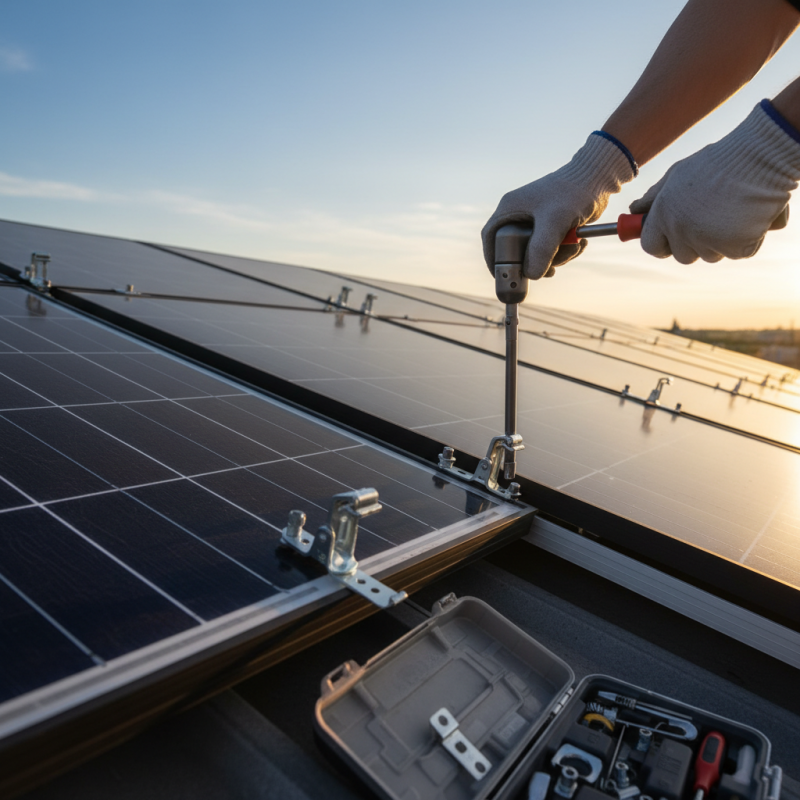
Solar panel clamps play a crucial role in securing solar panels to a mounting system. They ensure panels remain firmly in place, optimizing energy production and system safety. A study published by the National Renewable Energy Laboratory (NREL) found that improper clamp installation can decrease energy efficiency by up to 10%. Therefore, understanding the importance of these components is essential for any solar system.
Regular inspection of clamps is vital. Over time, they can loosen due to environmental factors like wind and temperature fluctuations. To prevent issues, it’s recommended to check the tightness of clamps every six months. This proactive measure can enhance longevity and performance.
Tip: Use a torque wrench to achieve the recommended tension for clamps. This helps in maintaining firmness. Another effective strategy is to apply a thread-locking compound. This can further reduce the risk of loosening due to vibrations or thermal expansion. Remember that maintaining solar panel integrity through proper clamp management is key to maximizing investment in solar technology.
| Aspect | Description | Impact of Loosening | Prevention Methods |
|---|---|---|---|
| Material | Solar panel clamps are typically made from aluminum or stainless steel. | Loose clamps can lead to panel movement, reducing efficiency and structural integrity. | Use corrosion-resistant materials; ensure proper installation techniques. |
| Environmental Factors | Weather conditions like wind, rain, and temperature fluctuations can affect clamp tightness. | Increased wear and tear can cause malfunction and potential damage. | Regular inspections and adjustments during extreme weather seasons. |
| Installation Quality | Proper torque and alignment during installation are critical for clamp function. | Poor installation can lead to increased risk of loosening and damage. | Hire experienced professionals for installation; use torque wrenches to secure. |
| Maintenance | Routine maintenance checks on clamps are necessary to ensure tightness. | Neglect can lead to full-scale system failings and additional costs. | Schedule annual maintenance and perform checks after extreme weather events. |
: They secure solar panels to a mounting system, ensuring stability and optimizing energy efficiency.
Clamps can loosen over time due to environmental factors, affecting performance. Regular checks improve longevity.
Inspect clamps every six months to maintain their tightness and performance.
Factors include thermal expansion and environmental stress like wind and heavy rainfall.
Use a torque wrench for the appropriate tightness. Follow the manufacturer's specifications during installation.
Applying thread-locking compound can create a strong bond that resists loosening due to vibrations.
Improper installation can lead to maintenance issues and reduced solar panel performance by up to 30%.
Yes, keeping the area clean helps prevent hidden stress points that could compromise clamp integrity.
The article "How to Stop Solar Panel Clamps from Loosening Over Time?" addresses the critical role of solar panel clamps in ensuring the stability and efficiency of solar installations. It begins by explaining the importance of these clamps, which secure panels to their mounts and protect against environmental stressors. The article explores common issues leading to the loosening of these clamps, prompting the key question: "Why are my solar panel clamps loosening over time?"
To mitigate this problem, the article provides effective techniques for securing solar panel clamps, such as using the right tightening methods and tools. It also emphasizes the necessity of regular maintenance practices, which can prevent wear and extend the life of installations. Lastly, the selection of appropriate materials is discussed, ensuring that clamps remain robust under various conditions, ultimately enhancing the longevity and performance of solar energy systems.

 Trope Solar