As more homeowners embrace solar energy, questions arise. One common concern is, "Why are my solar panel clamps loosening over time?" This issue can lead to decreased panel performance and even damage. Experts like Dr. Emily Rodriguez, a leading solar energy engineer, emphasize the importance of proper installation. She states, "Loose clamps can compromise the entire solar panel system's efficiency."
Various factors contribute to this problem. Weather conditions play a significant role. Intense winds, heavy rains, and temperature fluctuations can cause clamps to loosen over time. Regular maintenance is crucial to ensure the longevity of your solar setup. However, many users overlook this aspect until it becomes a significant concern.
Understanding the mechanics of solar panel clamps is essential. Poor installation techniques can contribute to this issue, too. Some homeowners might not realize that bolts need periodic checking. Over time, wear and tear can affect the clamps' effectiveness. This raises the question, "Why are my solar panel clamps loosening over time?" It's a reminder to prioritize both installation and maintenance for optimal performance.
Understanding Solar Panel Clamps and Their Importance
Solar panel clamps are essential for securing solar panels to mounting structures. They ensure panels remain stable in various weather conditions. Yet, over time, these clamps can become loose. This can lead to misalignment and reduced energy efficiency. A report from the National Renewable Energy Laboratory states that misaligned panels can decrease output by up to 25%. Understanding the importance of these clamps is vital for maintaining system integrity and performance.
The materials used in solar panel clamps can affect their longevity. Many clamps are made from aluminum or stainless steel, chosen for their durability. However, environmental factors, like UV exposure and corrosion, can impact their effectiveness. A study indicated that nearly 30% of installations encounter some form of hardware loosening within the first five years. Regular inspections can help identify loose hardware early, preventing costly repairs.
It's worth noting that not all installations are equal. Factors like installation quality and weather conditions play a role in clamp performance. Inadequate tightening during initial setup can create long-term issues. Therefore, periodic checks and maintenance are crucial. An experienced technician should assess the system at least annually, keeping an eye on the condition of clamps. This proactive approach will help ensure optimal solar energy production.
Common Causes of Loose Solar Panel Clamps Over Time
Loose solar panel clamps can create significant issues over time. Understanding the common causes helps prevent this problem. One major reason is temperature fluctuations. As temperatures rise and fall, materials expand and contract, leading to loosened fittings. Over time, this movement may wear down the clamps and their ability to hold firmly.
Another factor is poor installation. If clamps are not secured properly at the outset, they are prone to loosening. Additionally, vibrations from wind or nearby machinery might also contribute to this issue. Regular maintenance checks are crucial to identify any signs of wear early.
Properly tightening your clamps can help. Use a torque wrench to ensure the correct amount of pressure. Tightening should be done in moderate increments to avoid damaging the panels. Check for rust or corrosion regularly too. These issues can compromise clamp strength.
Consider inspecting your panels regularly. Even a slight looseness can lead to bigger problems. Addressing minor issues now can save time and money down the road. If you're uncertain about the condition of your system, seeking professional advice is wise. Proper care can extend the life of your solar panels significantly.
Effects of Weather Conditions on Clamp Stability
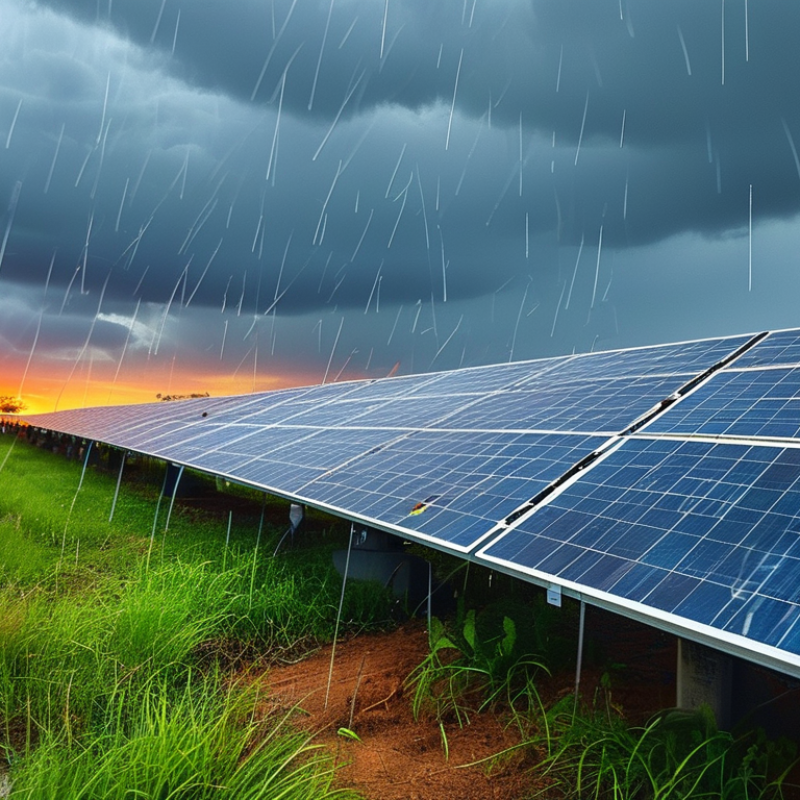
Weather conditions can significantly impact the stability of solar panel clamps. Rain, snow, and intense sun can wear down clamp materials over time. High winds, common in many regions, can create pressure points that loosen clamps. Even small fluctuations in temperature can cause materials to expand and contract, leading to potential gaps.
Monitoring environmental conditions is crucial. Humidity can also play a role, as moisture may cause rust or corrosion. Ensuring clamp integrity requires regular inspections. A loose clamp might seem minor but can lead to larger issues like panel misalignment.
Inadequate installation techniques can further exacerbate these challenges. If a clamps' torque is not properly applied, it might not withstand harsh weather. Using low-quality materials can shorten their lifespan as well. Solar panel owners should consider these factors to prevent unexpected problems. Regular maintenance and assessments are vital in ensuring the system remains efficient and safe.
Maintenance Tips to Prevent Loose Solar Panel Clamps
Solar panel clamps can become loose over time due to several factors. One of the primary reasons is weather exposure. Extreme temperatures, strong winds, and heavy rain can cause materials to expand and contract, leading to looseness. A study published by the National Renewable Energy Laboratory indicates that consistent temperature fluctuations can reduce clamp effectiveness by 20% over a system's lifetime.
Regular maintenance is key to preventing this issue. Inspect your solar panel installation every six months. Look for signs of wear, rust, or corrosion on the clamps. Tightening loose clamps can help maintain structural integrity. According to the Solar Energy Industries Association, proper maintenance can extend the lifespan of solar systems significantly, potentially adding years to their effective operation.
Additionally, ensuring that the installation is performed correctly from the outset is crucial. Misalignment during installation can lead to premature wear and tear. Emphasizing quality in installation can save costs in the long run. Professionals recommend using high-quality materials specifically designed for solar applications, as they tend to withstand environmental stresses better and reduce maintenance needs.
When to Seek Professional Help for Clamp Issues
Loose solar panel clamps can be a significant concern for homeowners. When clamps become loose, the risk of panel misalignment increases. Over time, this may lead to reduced energy efficiency and potential damage. Noticing this issue early is crucial in preventing more severe complications.
If you find that your clamps are consistently loose, it may be time to seek professional assistance. A qualified technician can assess the installation and suggest appropriate solutions. They have the expertise to determine if the clamps need tightening, replacement, or if the entire setup requires a review. It is essential to address these issues promptly, as neglect can lead to costly repairs down the line.
Not all clamp issues are straightforward. Sometimes, underlying structural problems might be present. In such cases, an experienced professional will offer valuable insight. If you feel uncertain or lack the necessary tools, reaching out for help can save time and ensure safety. Keeping your system secure is vital for optimal performance.
Why Are My Solar Panel Clamps Loose Over Time? - When to Seek Professional Help for Clamp Issues
| Issue |
Possible Cause |
Impact |
Recommended Action |
| Loose Clamps |
Vibrations from wind or equipment |
Reduced panel stability |
Tighten clamps; Inspect regularly |
| Corrosion |
Exposure to moisture and salt |
Potential electrical hazards |
Replace corroded clamps; Seal with protective coatings |
| Misalignment |
Improper installation |
Decreased efficiency |
Realign and re-adjust clamps; Consult a professional |
| Wear and Tear |
Material fatigue over time |
Increased maintenance costs |
Schedule regular inspections; Replace when necessary |
| Seasonal Movement |
Thermal expansion and contraction |
Potential damage to panels |
Ensure clamps are designed for thermal movement; Monitor condition |
Conclusion
Understanding the question, "Why are my solar panel clamps loosening over time?" involves exploring the functionality and significance of solar panel clamps. These clamps are essential in securing solar panels in place, yet several factors can contribute to their loosening over time. Common causes include natural wear and tear, improper installation, and fluctuations in temperature, which can affect the materials' integrity.
Weather conditions also play a critical role in the stability of clamp attachments; extreme winds, heavy rains, and snow can exert added stress. To mitigate issues, routine maintenance is crucial, including regular inspections and tightening of clamps as needed. If such measures do not resolve the problem, it may be time to seek professional help to ensure the safety and efficiency of your solar panel system.

 Trope Solar