Proper grounding is a critical aspect of solar array installations. Effective grounding ensures the safety and efficiency of solar energy systems. Without proper grounding, systems may face serious risks, including electrical shock and damage to equipment. Many installations overlook this vital step, compromising their functionality and reliability.
Understanding how to ground a solar array properly involves several key principles. Grounding protects both the equipment and users from unforeseen electrical issues. It also helps in dissipating excess energy, especially during storms or electrical surges. A well-grounded system can enhance energy yield and overall performance.
Despite its importance, many technicians may not follow best practices diligently. This negligence can lead to costly repairs and safety hazards. A thorough grasp of grounding requirements is essential for installers. In conclusion, mastering how to ground a solar array properly is fundamental for a successful solar project.
Importance of Grounding in Electrical Systems
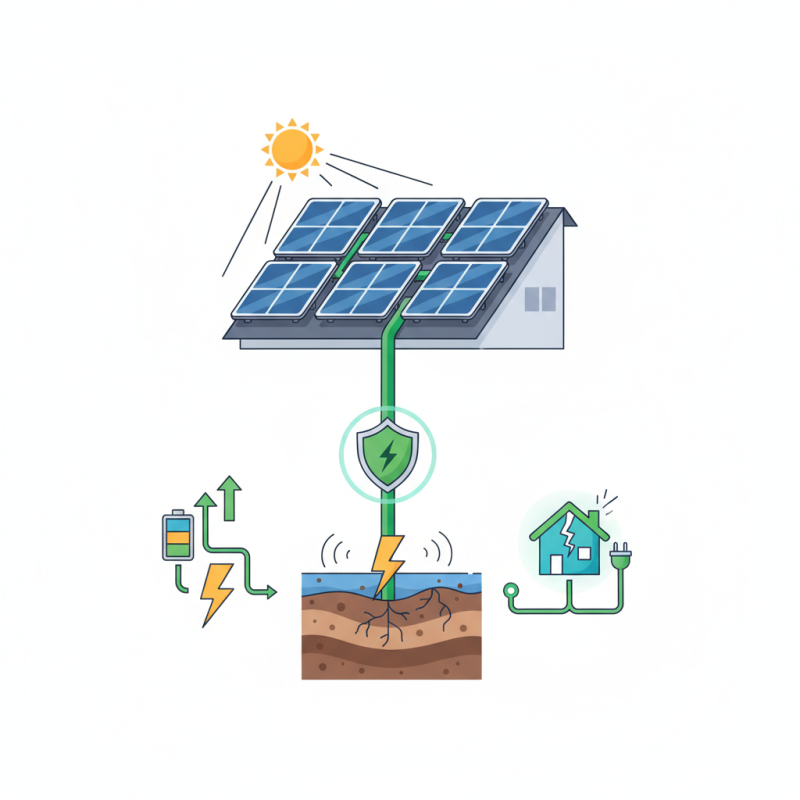
Grounding is a critical aspect of electrical systems, especially in solar arrays. Without proper grounding, systems can face significant risks. Grounding provides a path for excess electricity, particularly during faults or surges. Imagine a lightning strike hitting a solar panel. Proper grounding directs that energy safely into the ground, reducing the likelihood of equipment damage or fire.
In addition to safety, grounding improves system performance. It reduces electromagnetic interference, which can affect power output. A well-grounded system also prevents energy losses, ensuring efficiency. Yet, not all installations achieve optimal grounding. Some systems may lack sufficient grounding electrodes or have improper connections. These issues can lead to unreliable performance and increased maintenance costs.
Moreover, understanding local codes and requirements is essential. Each region may have specific guidelines for grounding solar arrays. Ignoring these can result in penalties or increased risk. Ensuring compliance and best practices is not always straightforward, demanding careful planning and review. As solar technology evolves, grounding practices must adapt. This ongoing reflection on grounding effectiveness is vital for the future of solar energy systems.
Understanding the Basics of Solar Array Grounding
Proper grounding of solar arrays is critical for ensuring safety and system reliability.
According to the National Electric Code (NEC), effective grounding reduces the risk of electrical shock and minimizes the chance of system failures.
A well-grounded solar array provides a path for excess electricity, directing it safely into the ground. This is crucial during storms or short circuits, where high voltage can pose a serious threat.
Research by the National Renewable Energy Laboratory indicates that nearly 30% of solar system maintenance issues stem from inadequate grounding practices.
Grounding not only protects equipment but also enhances system performance.
Without proper grounding, solar panels may experience inefficiencies. Ground faults can cause significant energy losses, undermining the array's output.
Furthermore, improper grounding can lead to increased litigation risks for installers and property owners.
A study from Solar Energy International highlighted that issues related to grounding accounted for about 15% of insurance claims in the solar industry.
Ignoring grounding requirements can lead to downtime and costly repairs.
Solar energy systems must prioritize proper grounding to protect investment and enhance longevity.
Common Grounding Techniques for Solar Installations
Proper grounding in solar installations plays a crucial role in ensuring safety and efficiency. Grounding techniques vary widely in practice. Some common methods include equipment grounding, system grounding, and grounding electrode systems. Each method has its own unique benefits and challenges. According to the National Renewable Energy Laboratory (NREL), improper grounding can result in equipment damage and safety hazards.
For photovoltaic (PV) systems, proper grounding reduces the risk of electrical shock and devices failing. Using grounding electrodes can help dissipate transient voltages. An estimated 30% of solar systems experience performance issues due to poor grounding practices. The Institute of Electrical and Electronics Engineers (IEEE) highlights that reliable grounding is especially vital in areas prone to lightning strikes.
In the design phase, engineers must consider ground fault protection. It helps prevent fires and electrical hazards. However, the implementation of grounding systems can be inconsistent across installations. This inconsistency can lead to vulnerabilities. Technicians should conduct regular inspections to ensure that grounding systems are both effective and compliant with updated standards. Grounding should never be an afterthought in the solar industry.
Benefits of Proper Grounding for Safety and Efficiency
Proper grounding for solar arrays is vital for both safety and efficiency. Studies indicate that over 90% of solar-related electrical faults arise from inadequate grounding. When solar systems are properly grounded, the risk of electric shock decreases significantly. This is particularly crucial for residential installations, where homeowners may come into direct contact with equipment.
A strong grounding system directs excess electricity safely into the ground, minimizing the potential for fire or equipment damage.
Efficiency also improves with proper grounding. A well-grounded solar array can enhance energy production by reducing voltage fluctuations. Research from industry experts shows that poorly grounded systems can lose up to 10% of their energy output due to electrical interference. It’s important to note that grounding is not just about compliance. Many installations overlook this crucial aspect, leading to inefficient performance and safety hazards.
Addressing grounding issues can offer substantial benefits, both in safety and in maximizing energy yield, making it a pivotal factor in solar energy systems.
Impact of Poor Grounding on Solar Array Performance
Proper grounding of solar arrays is crucial for optimal performance. Poor grounding can lead to several negative impacts. According to the National Renewable Energy Laboratory, inadequate grounding can cause voltage spikes, which may damage equipment. Such spikes can increase the risk of fire and reduce overall efficiency by up to 30%.
Electricity travels through grounded systems more safely and effectively. A study from the Solar Energy Industries Association highlighted that well-grounded systems experience fewer failures. This reliability can extend the lifespan of solar inverters and panels. When grounding is overlooked, it may lead to unexpected maintenance costs.
Tip: Regularly inspect grounding connections to prevent deterioration. Keeping these connections intact can avoid performance drops.
Furthermore, grounding should adhere to local electrical codes to ensure safety. The Occupational Safety and Health Administration emphasizes the importance of compliance. Non-compliance can lead to accidents and legal issues.
Tip: Engage professionals for periodic checks. Effective grounding practices safeguard both installations and users. This proactive approach minimizes risks significantly.
FAQS
: Grounding directs excess electricity safely into the ground, preventing damage and fire risks, especially in solar arrays.
Common techniques include equipment grounding, system grounding, and grounding electrode systems, each with unique benefits.
Proper grounding reduces electromagnetic interference and energy losses, enhancing overall efficiency in solar energy production.
Inadequate grounding can lead to equipment damage, safety hazards, and reduced performance, affecting solar system reliability.
Local codes guide proper grounding practices. Ignoring them may result in penalties and increased safety risks.
Improper grounding can cause devices to fail, increasing maintenance costs and potentially leading to dangerous scenarios.
Regular inspections are essential to ensure that grounding systems remain effective and comply with updated standards.
A strong grounding system safely directs excess electricity into the ground, lowering electric shock risks, especially for homeowners.
Poor grounding can cause up to a 10% loss in energy output due to electrical interference, affecting efficiency.
Grounding practices should be reviewed regularly as solar technology evolves, ensuring safety and compliance remain priorities.
Conclusion
Grounding is a fundamental aspect of electrical systems, particularly in solar installations, where it plays a critical role in safety and system efficiency. Understanding how to ground a solar array properly involves familiarizing oneself with various grounding techniques that ensure a secure connection to the earth, thus minimizing the risk of electrical shocks and equipment damage. Proper grounding not only protects the integrity of the solar array but also enhances its overall performance and longevity by preventing issues such as voltage instability and interference.
The benefits of effective grounding extend beyond safety; they contribute to the operational efficiency of solar power systems. On the other hand, poor grounding can lead to significant performance setbacks, resulting in decreased energy output and potentially damaging the equipment. Therefore, mastering the principles of proper grounding is essential for anyone involved in solar energy systems to optimize their safety and functionality.

 Trope Solar