Galvanic corrosion poses a significant challenge in the solar energy sector, particularly within racking systems. As solar installations grow, understanding how to prevent galvanic corrosion in solar racking becomes critical. According to a report by the Solar Energy Industries Association (SEIA), improper material pairing can lead to unexpected maintenance costs and reduced system efficiency.
Industry expert Dr. Lisa Morton states, "Preventing galvanic corrosion starts with understanding material behavior and making informed choices." Her insight emphasizes the importance of selecting compatible materials for solar racking systems to minimize the risk of corrosion. Utilizing materials like stainless steel or aluminum with a compatible coating can mitigate the challenges posed by dissimilar metals.
Proper design and protective measures are vital. An effective approach includes using insulation or protective barriers between incompatible metals. Regular inspection and maintenance also play an essential role in preventing corrosion damage. As solar technology continues to evolve, staying informed and proactive is key to long-lasting installations. Familiarity with how to prevent galvanic corrosion in solar racking is an investment in the future of solar energy.
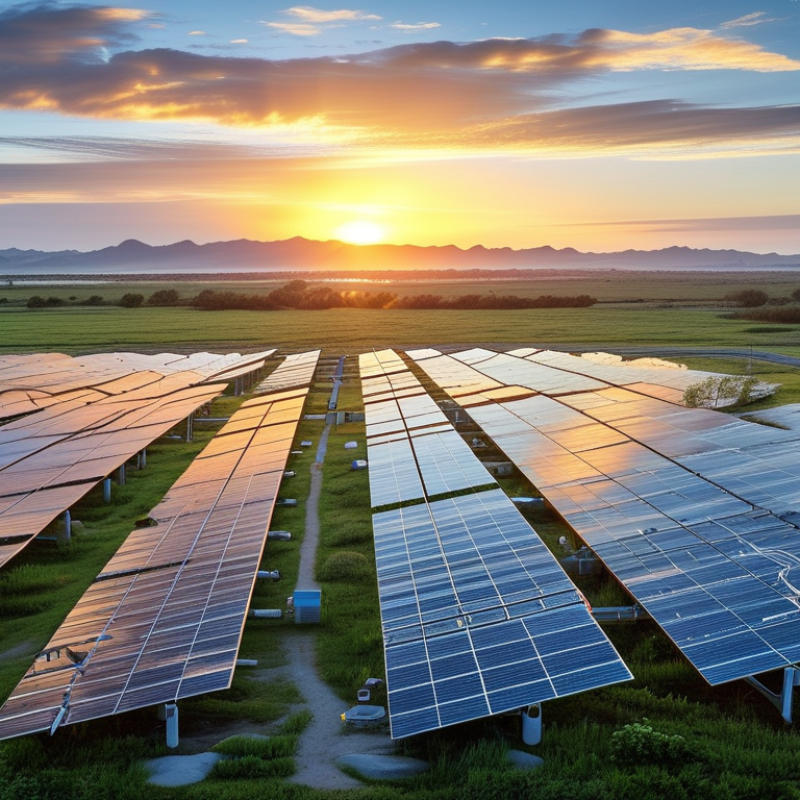
Galvanic corrosion is a significant concern in solar racking systems. It occurs when two different metals are in contact with an electrolyte, leading to one metal corroding faster than it normally would. In solar installations, aluminum racking might be paired with stainless steel. This combination can create conditions for galvanic corrosion if not managed properly.
Understanding the underlying mechanisms is crucial. When the two metals are connected by moisture or dirt, an electrochemical reaction begins. The less noble metal undergoes rapid corrosion while the more noble one remains intact. Regular maintenance checks can identify early signs of corrosion. Unintentional connections between these metals often go unnoticed, risking the integrity of the entire system.
Preventive measures play a vital role. Insulating materials can be employed between dissimilar metals to break the electrical contact. Proper drainage can minimize moisture accumulation, further reducing the risk. However, even with precautions, unexpected factors like environmental changes can influence the corrosion process. It is crucial for installers and maintenance teams to stay aware of these variables. Emphasizing education and training can bolster efforts to mitigate galvanic corrosion effectively.
Galvanic corrosion can significantly damage solar racking systems. Understanding which materials are prone to this issue is crucial for system longevity. Dissimilar metals, when in electrical contact in the presence of moisture, can create galvanic cells that accelerate corrosion. For example, aluminum and copper are common pairings that can lead to accelerated deterioration of aluminum. This is highlighted in a study by the National Renewable Energy Laboratory, indicating that the corrosion rate of aluminum can increase by up to 15% when in direct contact with copper.
Selecting metals wisely is essential. Stainless steel and galvanized steel are often more resistant to galvanic corrosion compared to aluminum or copper. However, experts recommend using insulating materials to separate dissimilar metals and mitigate risk. Additionally, employing coatings can provide an extra layer of protection against moisture and electrolytes.
Consider inspecting the installation environment regularly. Moisture can accumulate in areas where metals connect. If untreated, this can lead to catastrophic failures. Using a sacrificial anode can be an effective preventive measure. These anodes corrode instead of the main materials, extending the life of your solar racking system. Regular maintenance and monitoring can save significant repair costs in the long run.
This chart illustrates the susceptibility of various materials used in solar racking systems to galvanic corrosion. Each material's risk level is assessed based on its relative position in the galvanic series, highlighting which combinations should be avoided.
Galvanic corrosion poses a significant risk to solar racking systems. This type of corrosion occurs when dissimilar metals come into contact in an electrolyte. In solar installations, it can lead to structural failures and increased maintenance costs. Implementing protective coatings is an effective strategy to mitigate this risk.
Using epoxy-based coatings can shield metal surfaces from moisture and corrosive elements. These coatings create a barrier that prevents direct contact between different metals. However, the application process must be precise. Poorly applied coatings can lead to traps for moisture, which could worsen corrosion. Regular inspection is also critical. Unnoticed wear can compromise the protective layer and expose the underlying metal.
In addition to the coatings, understanding the environment is essential. Coastal areas may require additional protection due to saltwater exposure. Installation practices should also consider the potential for crevice corrosion. Experience shows that improper bonding between metals can lead to accelerated corrosion rates. Applying protective coatings wisely can significantly reduce these risks. Regular feedback from maintenance activities can help refine these practices.
Grounding is essential in solar racking systems to prevent galvanic corrosion. This type of corrosion occurs when dissimilar metals are in contact in the presence of an electrolyte, such as rainwater. Proper electrical grounding techniques can mitigate this issue significantly. According to industry reports, about 40% of solar power systems face efficiency losses due to corrosion-related failures.
To effectively ground a solar racking system, ensure that all components are connected to a common ground. This reduces the potential difference between metals. Use copper or aluminum grounding rods buried in well-drained soil. Regular inspections and maintenance can help identify corrosion early. This proactive approach can extend the life of the entire system.
When selecting grounding materials, gauge their compatibility. Aluminum and steel may corrode each other in the right conditions. This can lead to expensive repairs. Always prioritize using corrosion-resistant materials in installations. Regular training on best practices can also empower workers to avoid common mistakes in grounding techniques. Implementing these strategies can help provide long-term reliability and efficiency for solar racking systems.
Regular maintenance of solar racking systems is crucial in preventing galvanic corrosion. Inspecting the materials used, such as aluminum and steel, can help identify areas prone to corrosion. It is essential to check for signs of wear or discoloration regularly. A simple visual inspection can reveal issues before they escalate into major problems.
Inspection should focus on joints and connections, where different metals often meet. Corrosion typically occurs in these areas due to electrochemical reactions. Using protective coatings or dielectric materials can help mitigate these effects. Regular cleaning of the racking system removes dirt and debris that can trap moisture, leading to corrosion.
Documenting maintenance activities is a vital practice. Keeping a detailed log helps track the frequency of inspections and repairs. If corrosion is identified, take immediate action to remedy the situation. This proactive approach can prevent costly replacements and ensure the longevity of your solar installations. Regular training for maintenance personnel is also important, as they need to be aware of the latest techniques and best practices in corrosion prevention.
: Galvanic corrosion occurs when two different metals contact each other in the presence of an electrolyte.
It can lead to faster corrosion of one metal, risking structural integrity and increasing maintenance costs.
Moisture creates an environment for an electrochemical reaction, causing the less noble metal to corrode quickly.
Insulating materials can be used between dissimilar metals, and proper drainage helps reduce moisture contact.
It helps identify early signs of corrosion and uncovers any unintentional connections between different metals.
They create a barrier against moisture and corrosive elements, preventing direct metal contact.
Poor application can trap moisture, potentially worsening corrosion and compromising metal integrity.
Factors like saltwater exposure in coastal areas can accelerate corrosion, requiring special protective measures.
Education for installers and maintenance teams ensures they understand and effectively mitigate the risks involved.
Yes, environmental changes and installation errors can influence corrosion rates and should not be overlooked.
Galvanic corrosion poses a significant risk to solar racking systems, primarily due to the interaction of different metals in the presence of an electrolyte. Understanding this phenomenon is crucial for those involved in the installation and maintenance of solar energy systems. To effectively address the question of how to prevent galvanic corrosion in solar racking, one must identify materials prone to corrosion, such as certain metals that react unfavorably when coupled together.
Implementing protective coatings can substantially reduce corrosion risk, while proper electrical grounding techniques can also help mitigate electrical flow that contributes to this issue. Regular maintenance and inspections are essential strategies to ensure the integrity of solar racking systems, allowing for early detection of corrosion signs and timely intervention. By adopting these practices, the longevity and efficiency of solar installations can be significantly enhanced.

Trope Solar