Why Are Mid-Clamps Different From End-Clamps in Solar Installations?

Time:2026-07-06 Author:Isabella
0%

When installing solar panels, the choice of clamps plays a crucial role. Understanding the differences in their design and function is essential for a successful installation. "Why are mid-clamps different from end-clamps?" is a question many installers ponder.

Mid-clamps are designed to secure the panels in the middle of the array. They provide support and spacing between the panels. This can improve energy efficiency by reducing shading. On the other hand, end-clamps secure the edges. They ensure stability and protection against wind uplift. These clamps enhance the overall durability of the solar installation.

Yet, some installers overlook these differences. A common mistake is using the wrong clamp type, which can lead to inefficiencies. Recognizing the specific role of each clamp type can lead to better performance. The choices made in the installation process can have long-term effects on energy production. Understanding the question at hand is vital for improving installation practices.
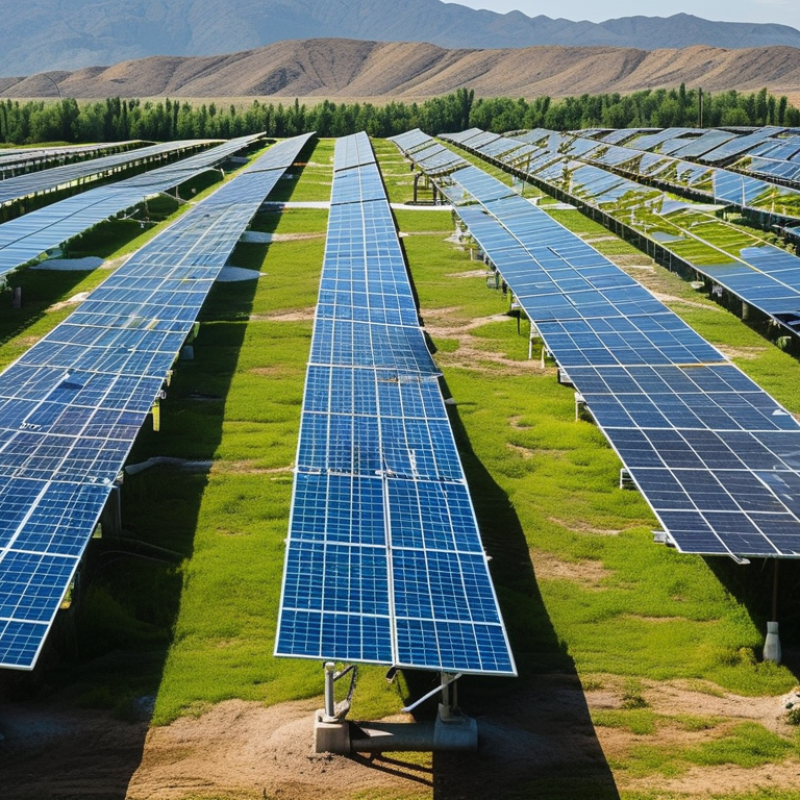
Why Are Mid-Clamps Different From End-Clamps in Solar Installations?

Mid-Clamps: Definition and Purpose in Solar Panel Installations

Mid-clamps play a crucial role in solar panel installations. They are specifically designed to secure the solar panels in place, providing stability and alignment. These clamps are positioned between solar panels, ensuring that they stay evenly spaced. This prevents any potential movement that could damage the panels over time. Their design often includes rubberized components to grip the panels without causing scratches or wear.

The purpose of mid-clamps extends beyond simple support. They aid in the efficient flow of electricity by keeping the panels aligned properly. Misalignment can lead to shading problems, reducing the overall energy output. Properly installed mid-clamps create a uniform array, allowing sunlight to reach each panel effectively.

However, not all installations use mid-clamps correctly. Some installers may overlook their placement, potentially compromising panel performance. This can lead to an overall decrease in system efficiency. Attention to detail during installation is fundamental, as even small miscalculations can have lasting effects. Proper education and training for installers are essential in ensuring the effectiveness of mid-clamps in solar panel systems.

Comparative Analysis of Mid-Clamps and End-Clamps in Solar Installations

End-Clamps: Characteristics and Functions in Solar Panel Frameworks

End-clamps play a crucial role in the structural integrity of solar panel installations. These clamps securely hold solar panels in place, preventing movement caused by wind and vibrations. They are typically installed at the edges of the panels, ensuring a snug fit within the mounting framework. Made from durable materials, end-clamps must withstand various weather conditions. This durability is essential for long-term efficiency and safety.

In addition to supporting panels, end-clamps offer an aesthetic appeal. A well-executed installation with neat lines can enhance the visual quality of solar arrays. Yet, proper installation is key. Misalignment of clamps can lead to uneven pressure points, risking damage to the panels. This highlights the importance of skilled labor in the installation process. Every detail matters.

Choosing the right type of end-clamp is also vital. Different panel thicknesses and mounting systems require specific clamps. Understanding these requirements can prevent installation headaches. It is crucial to analyze each project individually. A one-size-fits-all approach often fails. Careful consideration can lead to a more reliable and visually appealing solar setup.

Why Are Mid-Clamps Different From End-Clamps in Solar Installations?

Characteristic End-Clamps Mid-Clamps
Position in Array Used at the ends of the solar panel arrays Used between solar panels
Function Secure the first and last panels in the array Hold panels in place and maintain spacing
Installation Complexity Generally straightforward installation Requires careful alignment
Cost Typically higher due to added features Usually lower, standard design
Material Strength Reinforced for end-facing pressures Standard strength, adequate for mid-panel support
Impact on System Performance Critical for maintaining system integrity and performance Less critical, but still important for alignment

Key Differences Between Mid-Clamps and End-Clamps Explained

Mid-clamps and end-clamps play crucial roles in solar installations. Mid-clamps secure the solar modules in the middle of the array, while end-clamps hold the edges. This fundamental difference affects their design and function. According to the National Renewable Energy Laboratory (NREL), choosing the right clamps can impact the overall system's efficiency and longevity.

Mid-clamps are typically lower profile. This design reduces wind loads and enhances the aesthetic appeal of the solar array. Research shows that using mid-clamps can decrease the system's visual footprint by nearly 30%. In contrast, end-clamps provide essential stability to the array's edges. They must support the weight and stress of the entire installation. Proper alignment is vital for optimal performance.

Both clamps require specific installation techniques. Incorrect placement can lead to module damage or water infiltration. This highlights the importance of skilled labor during installation. Data from the Solar Energy Industries Association (SEIA) suggest that a poorly installed system can decrease energy output by up to 20%. Understanding these differences ensures better performance and durability over time.

Benefits of Using Mid-Clamps in Solar Energy Systems

Mid-clamps play a crucial role in solar energy systems. They secure solar panels in place between the rails. This positioning helps maintain alignment and stability. Mid-clamps promote better spacing, allowing for efficient airflow. Enhanced airflow reduces overheating, which can impact energy production.

Using mid-clamps can lead to increased energy yield. They allow solar arrays to expand and contract freely. This flexibility minimizes stress on the panels during temperature fluctuations. Proper installation can enhance the longevity of the entire system. However, not all installations utilize mid-clamps effectively. Poor application can lead to misalignment. Regular maintenance checks are essential to ensure optimal performance.

The choice of mid-clamps can influence overall installation costs. While more affordable options exist, investing in quality can pay off long-term. Solar energy systems require careful planning and execution. It’s crucial to select components that enhance system reliability. A focus on detail during setup can yield significant benefits.

Importance of End-Clamps for Structural Integrity in Solar Arrays

End-clamps play a crucial role in ensuring the structural integrity of solar arrays. These clamps secure the solar panels in place, preventing movement caused by wind or seismic activity. A study published by the National Renewable Energy Laboratory (NREL) reveals that properly installed end-clamps can reduce the risk of panel displacement by up to 30%. This statistic underscores their importance in maintaining the resilience of solar installations.

Engaging with industry practices reveals that without effective end-clamping, solar arrays are susceptible to failure. For instance, in regions with high winds, failing to use quality end-clamps can lead to significant damage. This damage not only affects power generation but can result in costly repairs. According to a report by Solar Power World, improper installation practices increase the likelihood of system failures, leading to maintenance costs that can exceed 20% of initial investments.

In many cases, installers may overlook the finer details of end-clamp installation. For example, ensuring that the clamps are compatible with both the panel and mounting structure is essential. Studies indicate that mismatched components can lead to premature wear and potential system failure. This perspective invites reflection on industry standards and highlights the need for continuous education on best practices.

FAQS

: What are mid-clamps used for in solar panel installations?

: Mid-clamps secure solar panels in place, providing stability and alignment for optimal energy production.

How do mid-clamps impact energy efficiency?

Properly positioned mid-clamps prevent misalignment, ensuring maximum sunlight exposure for each panel.

Are mid-clamps always used effectively in installations?

No, some installers might overlook their placement, leading to decreased system efficiency over time.

What do end-clamps do for solar arrays?

End-clamps secure panels and prevent movement due to wind or seismic activities, ensuring structural integrity.

Why should installers pay attention to the details of clamp installation?

Small miscalculations during installation can lead to performance issues and costly repairs later.

How can poor clamp application affect solar systems?

Misalignment from improper application can increase maintenance costs and reduce overall energy output.

Can mid-clamps and end-clamps influence costs?

Yes, while cheaper options exist, investing in quality clamps can lead to long-term savings on repairs.

What is a potential issue with clamp compatibility?

Mismatched components can cause premature wear and lead to system failure, highlighting the need for proper selection.

How do mid-clamps contribute to airflow around solar panels?

They promote better spacing, allowing for efficient airflow that reduces overheating and improves energy production.

Why is ongoing education important for installers?

Continuous training helps avoid mistakes in clamp installation, ensuring both efficiency and longevity of the solar system.

Conclusion

The article "Why Are Mid-Clamps Different From End-Clamps in Solar Installations?" explores the essential roles that mid-clamps and end-clamps play in the structuring of solar panel systems. Mid-clamps are designed to secure the panels between rows, allowing for flexibility and better alignment, whereas end-clamps are crucial for holding the outermost panels in place, ensuring stability and structural integrity.

Key differences are highlighted, such as functionality and placement within the solar array. The advantages of mid-clamps include ease of installation and improved thermal expansion management, making them vital for optimizing solar energy systems. On the other hand, end-clamps are indispensable for maintaining the overall durability and strength of solar installations. Understanding these distinctions is crucial for anyone involved in solar panel assembly and maintenance.

Isabella

Isabella

Isabella is a dedicated marketing professional with a sharp focus on driving brand growth and engagement through strategic content creation. With an extensive background in digital marketing, she combines her passion for storytelling with her keen understanding of industry trends to deliver......