Installing solar panels on a flat gravel roof is becoming increasingly popular. Many homeowners look for efficient ways to utilize renewable energy. Industry expert Dr. John Smith, a leading solar energy consultant, once said, "Proper installation is key to maximizing the benefits of solar panels."
Understanding how to install solar panels on a flat gravel roof is crucial. The process involves careful planning and precise execution. Flat roofs may seem easier, but they come with unique challenges. The gravel base can complicate secure anchoring for the solar panels. This requires specialized mounting systems designed for such roofs.
Homeowners must consider the weight of the panels and potential drainage issues. Each installation should also account for local building codes and weather conditions. Clarity on these factors is essential to avoid costly mistakes. Even experienced installers may need to reflect on specific techniques to ensure long-lasting efficacy. Proper guidance is vital to ensure both safety and efficiency.
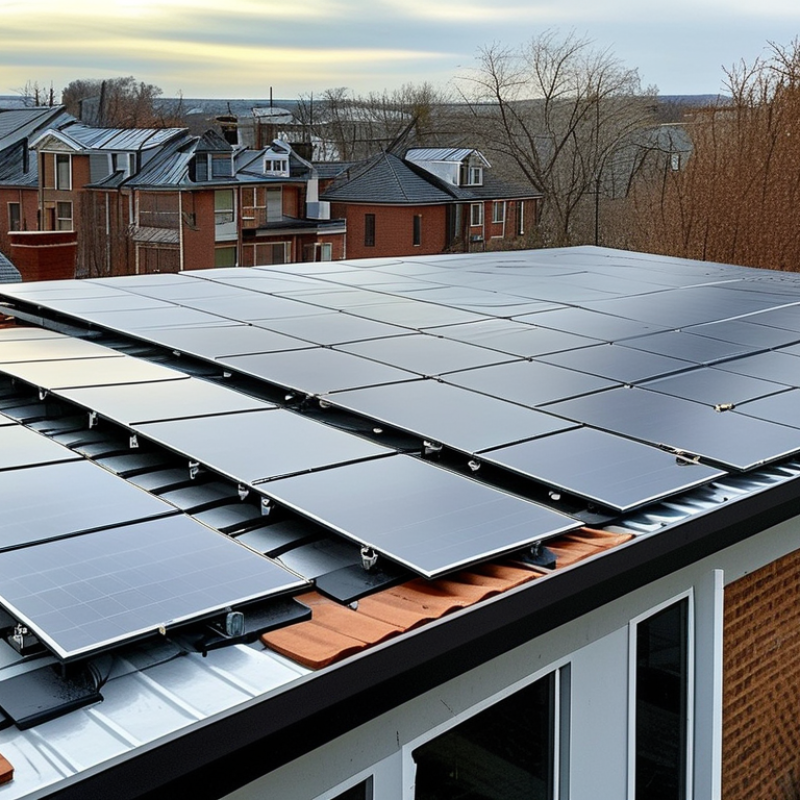
Choosing the right type of solar panels for flat gravel roofs is crucial for maximizing energy efficiency. There are various types available, but monocrystalline and thin-film panels are popular choices. Monocrystalline panels are efficient, often converting over 20% of sunlight into energy. Thin-film panels, while less efficient, can perform better in high temperatures and low-light conditions.
When selecting panels, consider your roof's specific characteristics. A gravel roof may not support heavy equipment. Lightweight solar panels are essential. They allow for easier installation and reduce the risk of roof damage. According to industry reports, properly fitted panels can increase energy output by up to 30% on flat roofs.
Tips: Always review the local building codes before starting. Understanding regulations can prevent costly mistakes. Ensure your roof has proper drainage to avoid water pooling, which could damage the solar setup. Regular maintenance checks are vital too. They can increase the lifespan of your solar panels significantly. Don't overlook the importance of professional installation if you're unsure about the process.
This chart displays the efficiency of different types of solar panels suitable for installation on flat gravel roofs. Monocrystalline panels offer the highest efficiency, followed by bifacial, polycrystalline, and thin-film panels.
Assessing the structural integrity of a flat gravel roof is crucial before installing solar panels. A detailed inspection should start with a thorough visual check. Look for visible cracks, sagging areas, or signs of leaks. These could point to underlying issues. A professional engineer can help assess these conditions accurately.
Next, evaluate the roof's load-bearing capacity. Calculate the total weight that the roof can support, factoring in the solar panels, mounting hardware, and any snow accumulation. This process can be daunting. Some roofs may have been reinforced in the past, while others may not be fit for additional weight. Be aware of the age and materials used in construction.
Keep in mind that each roof is unique. Not all flat gravel roofs are suitable for solar installations. After conducting your assessment, consider the alternatives. It might be beneficial to consult with solar professionals. Their expertise can provide valuable insights. Understand that safety is paramount. Installing panels on a structurally compromised roof can lead to significant issues down the line.
Preparing the roof surface for solar panel installation is crucial. Start by inspecting your flat gravel roof. Look for any loose gravel or debris. This debris can obstruct the panel's attachment points. Remove any obstructions to ensure a clean surface. A well-prepared roof will enhance the stability of the installation.
Next, check for signs of damage. Look for cracks or leaks that may require repair. Fixing these issues before installation is essential. You don’t want moisture to damage your solar system later. If repairs are needed, consider hiring a professional.
After evaluating the roof's condition, clean the surface thoroughly. Use a broom or blower to remove dirt and dust. This step is often overlooked. Yet, it is vital for ensuring proper adhesion and functionality. Ensure that the roof is dry before you start installing the panels. A well-prepared roof will ultimately lead to efficient energy production.
When installing solar panels on a flat gravel roof, the mounting system plays a crucial role. Properly securing the panels ensures they withstand wind and weather. Start by assessing the roof's condition. Look for any loose gravel or damage. A solid base is vital for a secure installation.
Next, choose a mounting system designed for flat roofs. These systems often use ballast or screws for stability. Ballast systems employ heavy materials to hold panels in place. Ensure the weight won't compromise the roof’s integrity. If you opt for a screw system, precise drilling is key. This requires careful planning to avoid leaks.
Follow manufacturer guidelines during installation. Misalignment can lead to inefficiencies and potential issues down the line. After installation, double-check all connections. Even minor mistakes can affect panel performance. Reflect on the process. Consider improvements for future projects. Learning from experience will enhance your skills.
Connecting solar panels to your electrical system is crucial for efficient energy production. Start by ensuring you have the right equipment. Use quality connectors compatible with your solar panels. Consider hiring a licensed electrician for safety. They will guarantee proper connections and adhere to local regulations.
Tips: Check the compatibility of all electrical components. Use a multimeter to test voltage and current before connection. Always wear safety gear while working on your roof.
Once you've confirmed your connections, move to the inverter. The inverter converts DC power from the panels to AC power for your home. Choosing the right inverter is vital. Look for one with a reliable performance history. Incomplete installations may lead to energy loss.
Tips: Double-check your wiring before powering up. A loose connection can cause electrical faults. Regular maintenance can prevent future issues and prolong the life of your system.
: Monocrystalline and thin-film panels are popular choices for flat gravel roofs.
They are efficient, converting over 20% of sunlight into energy.
They ease installation and minimize the risk of roof damage.
They can increase energy output by up to 30% on flat roofs.
Start with a visual check for cracks, sagging, or leaks.
A compromised roof may lead to significant issues later on.
Repair any damage before installation. Hiring professionals can be helpful.
Remove loose gravel or debris and ensure the surface is clean.
Regular checks can significantly increase the lifespan of the solar panels.
Consider consulting solar professionals for expert insights and guidance.
When considering "How to install solar panels on a flat gravel roof?", it's crucial to start by selecting the appropriate type of solar panels that can withstand the specific conditions of a flat rooftop. Next, assessing the structural integrity and load-bearing capacity of the roof is vital to ensure it can support the additional weight of the solar panels.
Preparing the roof surface is the subsequent step, which involves clearing debris and ensuring a clean area for installation. Once the surface is ready, installing a secure mounting system is essential to hold the panels in place effectively. Lastly, connecting the solar panels to the electrical system must be done safely, adhering to local regulations and standards to ensure functionality and safety. Following these steps will simplify the process of successfully installing solar panels on a flat gravel roof.

Trope Solar