10 Essential Tips for Winter Maintenance of Solar Tracking Motors?

Time:2026-05-28 Author:Isabella
0%

As winter approaches, many solar panel systems face challenges due to the colder temperatures and inclement weather. A crucial component of these systems is the solar tracking motor, which ensures optimal positioning towards the sun. Proper maintenance of these motors is essential for maximizing energy efficiency during the winter months. This leads us to the important question: How to maintain solar tracking motors in winter?

Winter conditions can cause wear and tear on these motors. Ice, snow, and freezing temperatures may impact their performance. Regular inspections can help detect issues early. Keeping the motors clean and free of debris is vital. Additionally, applying lubricants specifically designed for winter conditions can enhance their functionality. Being proactive with maintenance can prevent unexpected breakdowns and costly repairs. The effort invested in winter maintenance will pay off in improved energy production and prolonged motor lifespan. Consider these essential tips for ensuring your solar tracking motors remain reliable and efficient throughout the cold season.
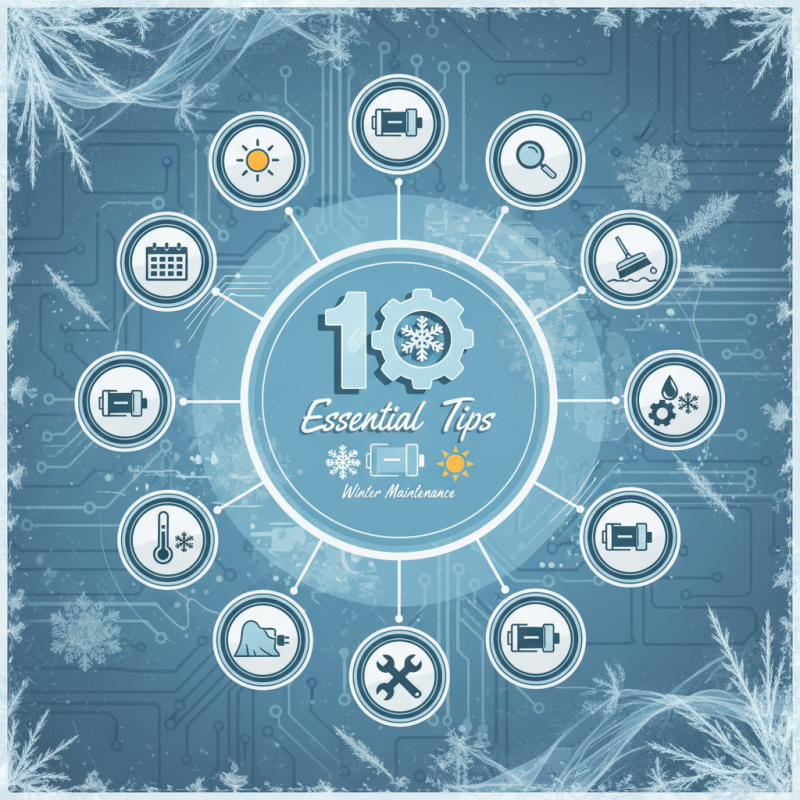
10 Essential Tips for Winter Maintenance of Solar Tracking Motors?

Importance of Solar Tracking Motors in Cold Climates

Solar tracking motors play a crucial role in enhancing the efficiency of solar energy systems, especially in cold climates. These motors adjust solar panels to follow the sun's path. This maximizes energy absorption, which is vital during winter months when daylight hours are shorter. Efficient solar tracking can help mitigate the impact of lower solar irradiance.

In cold weather, snow and ice can hinder the performance of solar tracking systems. Regular maintenance becomes essential to ensure optimal functionality. Users often overlook the effects of temperature changes on mechanical parts. Cold conditions may cause metal components to contract, impacting the motor's performance. Ensuring that all moving parts are lubricated properly can prevent unnecessary wear and tear.

Another aspect to consider is the accumulation of snow on panels. Solar tracking motors may struggle to function efficiently if the panels are covered. Regular checks are necessary to clear any snow buildup. Users may need to adapt their maintenance routines to address these seasonal challenges. Monitoring the performance of the solar tracking system, especially in winter, is critical for long-term sustainability.

10 Essential Tips for Winter Maintenance of Solar Tracking Motors

Common Issues Faced by Solar Tracking Motors During Winter

Winter can be harsh on solar tracking motors. Snow and ice accumulation can lead to several issues. These include reduced efficiency and potential damage to components. Proper winter maintenance is crucial for optimal performance.

One common issue is the freezing of mechanical parts. Lubricants can become viscous or even freeze, impeding movement. Regular checking of lubrication is essential. Ensure that all moving parts are well-greased. Inspect seals and joints for any damage caused by cold temperatures.

Another problem is electrical failures. Snow can block solar panels and cause system malfunctions. Regularly clear snow off your panels. This simple task can significantly enhance energy collection. Keep connections dry and inspect for proper insulation.

Lastly, consider winterizing your motors. Adding a protective cover can shield motors from extreme conditions. This not only safeguards them but may extend their lifespan. Winter maintenance requires attention and care, especially under challenging weather conditions.

10 Essential Tips for Winter Maintenance of Solar Tracking Motors

Tip Description Common Issues Recommended Action
1. Inspect Wiring Check for frayed or damaged wires that may be exposed to cold. Power failures due to short circuits. Repair or replace damaged wiring.
2. Lubrication Apply lubricant to moving parts to prevent freezing. Increased wear or jams in cold conditions. Use weather-resistant grease for lubrication.
3. Clear Debris Remove snow, ice, and debris from the motor area. Reduced efficiency and potential damage from weight. Regularly clear and maintain the area.
4. Check Battery Test battery health as cold can reduce capacity. Motor may not operate properly due to low power. Replace old or weak batteries.
5. Inspect Structural Integrity Check for any signs of rust or corrosion on the mounting. Structural failure leading to damage. Repaint or treat any rusted areas.
6. Adjust Tilt Angles Optimize angle for winter sun exposure. Suboptimal energy production in winter. Adjust settings for seasonal optimal angles.
7. Install Insulation Insulate components to mitigate freezing. Failure of motor components in extreme cold. Use appropriate insulation materials.
8. Regular System Checks Conduct routine evaluations of system functionality. Missed necessary repairs can lead to bigger issues. Schedule checks every few weeks in winter.
9. Monitor Local Weather Be aware of upcoming severe weather changes. Improper preparations for storms. Prepare and adjust settings before storms hit.
10. Seek Professional Help Consult professionals for complex issues. Deteriorating conditions due to improper repairs. Hire a qualified technician for repairs.

Best Practices for Insulating Solar Tracking Systems in Winter

Winter maintenance is crucial for maximizing the efficiency of solar tracking motors. One of the most important steps is insulating the solar tracking systems. Proper insulation can prevent components from freezing and ensure optimal performance despite extreme temperatures. According to industry data, improperly insulated systems could reduce efficiency by up to 20%. Addressing insulation can be a game changer.

Consider using high-quality insulation materials. Insulation should cover motors, wiring, and any vulnerable parts. A layer of foam insulation can work wonders, protecting from both cold and moisture. For added protection, seal any gaps that may allow cold air in. As per recent studies, a well-insulated system can endure changes in temperature without compromising function.

Regular inspections play a vital role in effective maintenance. Look for any signs of wear, damage, or exposure to elements. Make adjustments as necessary. Remember, components may need replacement after a few harsh winters. Engaging in this proactive maintenance can extend the life of your solar tracking system significantly. Reflections suggest that overlooking these details can lead to costly repairs in the future. Stay prepared and protect your investment.

Recommended Lubrication Techniques for Cold Weather Durability

Winter can be harsh on solar tracking motors. Proper lubrication is essential for smooth operation in cold temperatures. Using the right grease or oil can significantly extend the life of these motors. A thin viscosity lubricant is generally advisable. It allows for better flow in low temperatures.

Consider applying a synthetic lubricant. Synthetic oils perform better in cold conditions and resist thickening. Regular maintenance checks are necessary, especially before winter sets in. Inspect all pivot points for any signs of wear or corrosion. Properly lubricated joints can prevent breakdowns during crucial sunny days.

Pay attention to environmental factors. Accumulation of snow can hinder motor movement. Make sure the tracking system is free of any obstructions. A proactive approach to maintenance can save time and money. Remember to reflect on your current practices. Adjusting your lubrication techniques may yield better results.

Monitoring and Adjusting Tracking Algorithm for Winter Performance

Winter can be tough on solar tracking systems. Monitoring and adjusting the tracking algorithm is crucial for optimal performance in cold months. Shading from snow can disrupt the solar panels' exposure to sunlight. It's essential to regularly check the alignment of the motors. Misalignment can lead to decreased energy production.


Adjusting the tracking algorithm for winter conditions involves more than just calibrating angles. It often requires a review of weather data, including sun paths and cloud cover. Understanding these patterns can enhance efficiency. Keep in mind that snow cover can affect sensor readings. Sometimes, sensors may misinterpret the sunlight due to reflections or diffusions caused by ice. Regular maintenance checks can help identify these discrepancies.


Feedback mechanisms play a key role. Incorporating real-time data can improve tracking adjustments. For instance, a sudden drop in energy output might indicate a snow buildup. Responding promptly can prevent long-term performance issues. It is an ongoing process that necessitates attention and possible readjustments throughout the winter season. Regular reflection on these adjustments contributes to sustained performance in challenging weather conditions.

FAQS

: What is the role of solar tracking motors in cold climates?

: Solar tracking motors adjust panels to follow the sun, maximizing energy absorption during shorter daylight hours in winter.

Why is regular maintenance important for solar tracking systems?

Cold weather can impact performance, so regular checks ensure motors function optimally despite snow and temperature changes.

How does snow accumulation affect solar tracking motors?

Snow on panels can hinder their function, reducing efficiency. Regular clearing is necessary to maintain optimal performance.

What insulation practices improve solar tracking system performance in winter?

Use high-quality insulation materials to protect motors and wiring from freezing temperatures and moisture.

How can users monitor the performance of their systems in winter?

Regular inspections are essential. Look for wear, check alignments, and adjust tracking algorithms based on weather patterns.

What challenges do temperature changes pose for tracking motors?

Cold conditions can cause metal components to contract, affecting performance. Proper lubrication helps prevent wear and tear.

How can feedback mechanisms aid solar tracking systems?

Real-time data can help adjust tracking settings. A drop in energy output may signal snow buildup needing immediate attention.

What is a common oversight in solar tracking maintenance?

Many users neglect consistent monitoring. This can lead to costly repairs if performance issues are not addressed promptly.

How do insulation gaps affect solar tracking systems?

Gaps can let cold air in, reducing efficiency. Sealing these gaps is essential for protecting vulnerable components.

Why is snow cover a concern for sensor readings in winter?

Snow can reflect light, causing sensors to misinterpret sunlight levels. Regular checks help identify and correct these errors.

Conclusion

Winter maintenance of solar tracking motors is crucial for optimizing their performance in cold climates. These motors, which enhance solar energy collection, can encounter common issues such as freezing, reduced efficiency, and mechanical challenges during winter months. To effectively address these problems, it's essential to implement best practices for insulating solar tracking systems. Proper insulation helps to mitigate the impact of low temperatures, ensuring that the motors operate smoothly.

Additionally, using suitable lubrication techniques for cold weather helps maintain durability and functionality. Regular monitoring and adjustments of the tracking algorithms are also necessary to ensure optimal performance during winter. Therefore, knowing how to maintain solar tracking motors in winter is vital for maximizing energy production and extending the longevity of solar equipment. By following these tips, solar installations can remain efficient and reliable throughout the colder seasons.

Isabella

Isabella

Isabella is a dedicated marketing professional with a sharp focus on driving brand growth and engagement through strategic content creation. With an extensive background in digital marketing, she combines her passion for storytelling with her keen understanding of industry trends to deliver......