Determining the pull-out strength of solar expansion bolts is crucial for ensuring the integrity of solar panel installations. According to a report by the International Energy Agency (IEA), improper fastening methods can lead to significant structural failures, potentially costing thousands in repairs and downtime. Effective testing methods are essential for verifying the performance of these bolts under various conditions.
Industry expert Dr. Emily Chang states, "Understanding how to test the pull-out strength of solar expansion bolts is vital for safe and effective installations." Her insights highlight the need for rigorous testing protocols. Tests should account for factors like temperature variations and substrate types. Many manufacturers overlook these aspects, which can lead to unpredictable results and failures in the field.
Implementing standardized procedures can bridge this gap in knowledge. The complexity of testing methods can often lead to confusion and inconsistent results. Therefore, it's important to engage with established testing protocols to ensure reliability and safety in solar installations.
Understanding Solar Expansion Bolts and Their Applications
Solar expansion bolts are crucial in the installation of solar panels. They provide strong anchorage, ensuring that panels remain secure regardless of environmental stresses. These bolts expand when installed, creating a tight fit in various materials, such as concrete or brick. Their design enhances pull-out strength, essential for maintaining the stability of solar systems.
Testing the pull-out strength of these bolts is paramount. It ensures that installations can withstand wind, snow, and other loads. However, some may overlook the importance of this testing. Not all installations achieve optimal results. Mistakes in installation can lead to insufficient anchorage. Regular testing helps identify these issues before they become major problems. Variations in material density may also affect performance, requiring adjustments in testing methods.
In real-world applications, conditions differ widely. The environment plays a big role in how these bolts perform. Factors like temperature fluctuations and moisture can weaken the bolts over time. Understanding these variables is essential for effective use. Professionals must continuously adapt and refine their testing processes, learning from previous experiences to enhance reliability.
Key Factors Influencing Pull Out Strength in Fasteners
Testing the pull-out strength of solar expansion bolts is critical for ensuring their effectiveness. Several factors play a vital role in determining this strength. The type of substrate is one significant element. Different materials offer varying resistance levels to expansion bolts. Concrete provides strong grip, while soft materials may lead to lower pull-out strength.
The size and type of the bolt also influence performance. Larger diameters typically increase pull-out resistance. Likewise, the design of the expansion mechanism matters. Proper installation is crucial as well. A poorly installed bolt can fail under stress, regardless of its quality. Over-torquing can damage the substrate, weakening the bond.
Environmental factors shouldn't be overlooked. Temperature fluctuations can cause materials to expand or contract. This can affect the integrity of the connection over time. Regular inspection and maintenance are essential. Ensuring that all components are in good condition will help preserve pull-out strength. Each installation presents unique challenges. Evaluating these aspects thoroughly can prevent failures.
How to Effectively Test Pull Out Strength of Solar Expansion Bolts?
| Test Parameter |
Description |
Influencing Factor |
Pull Out Strength (kN) |
| Bolt Diameter |
Diameter of the installed bolt |
Larger diameters typically provide greater strength |
12 |
| Embedment Depth |
Depth to which the bolt is installed in the substrate |
Deeper embedment leads to higher pull out strength |
15 |
| Substrate Material |
Material in which the bolt is anchored |
Concrete vs. masonry significantly affects strength |
20 |
| Temperature |
Environmental temperature during installation |
High temperatures can decrease effectiveness |
9 |
| Installation Torque |
Torque applied during installation of the bolt |
Higher torque can enhance grip strength |
18 |
Step-by-Step Procedure for Testing Pull Out Strength
Testing the pull-out strength of solar expansion bolts is crucial for ensuring structural integrity. This strength determines how well the bolts can withstand tension forces. According to the American Institute of Steel Construction, proper testing can prevent installation failures in solar panel systems.
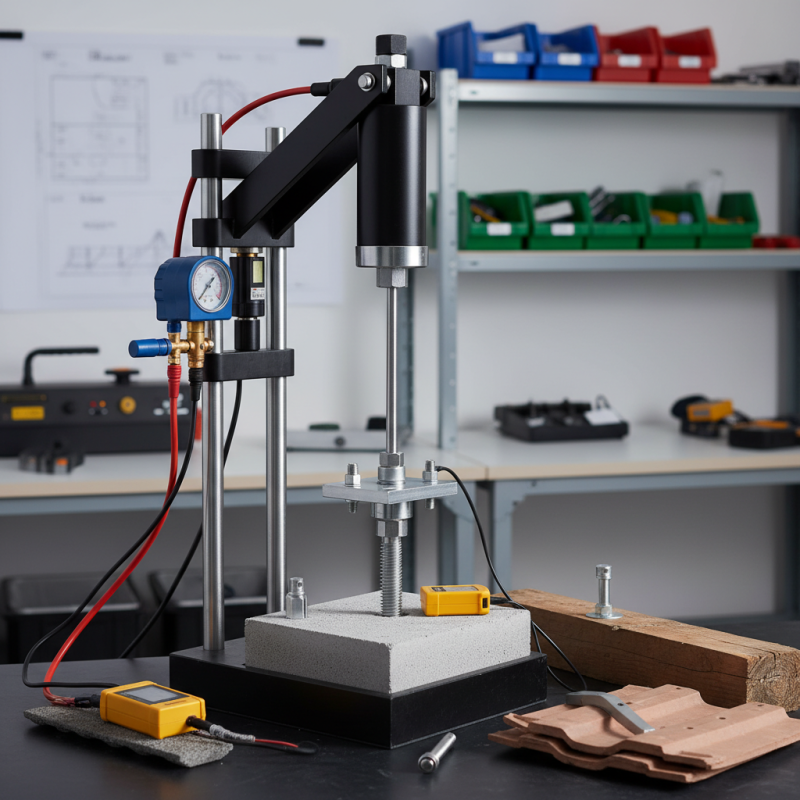
Begin by gathering essential tools: a torque wrench, load gauge, and a suitable testing surface. Secure the solar expansion bolt in place and attach the load gauge. Gradually apply force. Monitor the gauge closely. Record the load at which the bolt begins to yield. Be cautious; sudden failure can occur, leading to potential safety hazards.
It’s important to run multiple tests. Statistics from the International Code Council suggest varying results due to factors like substrate type and installation practices. Discrepancies in pull-out strength often occur, necessitating review of installation variables. Analyze all data thoroughly. Engage a qualified engineer if results appear inconsistent. This approach not only enhances reliability but also fosters continuous improvement in testing practices.
Analyzing Test Results and Quality Control Measures
Testing the pull-out strength of solar expansion bolts is crucial for reliability. Analyzing test results helps ensure that the bolts can withstand environmental stress. Quality control measures must be put in place to maintain standards.
One effective approach is to establish baseline measurements. Regularly calibrate testing equipment. Evaluate the consistency of results over time. This ensures that every batch meets the required specifications.
Tips: Always document test conditions. Different materials may react differently. This documentation provides valuable insights for future tests. Conduct periodic reviews of your testing process. It’s essential to identify any gaps or inconsistencies. These reflective practices contribute to improved outcomes in testing. Also, remember to encourage feedback from the testing team. Their insights can help refine the process further.
Pull Out Strength Test Results of Solar Expansion Bolts
Best Practices for Ensuring Reliable Test Outcomes
Testing the pull-out strength of solar expansion bolts is crucial for ensuring safety and durability. Reliable test outcomes depend on a structured approach.
First, ensure you select appropriately sized samples that match the intended application. The surface preparation is vital. Clean the installation area thoroughly to remove dust, debris, or any contaminants that can affect the results.
Calibration of testing equipment is essential. It must be done to standards that guarantee accuracy. This step often gets overlooked. A small error here can lead to misleading results. Setting up the test environment is equally important.
Conduct tests in controlled conditions to minimize environmental variables that could skew data.
After the test, reviewers should focus on analyzing the data critically.
Look for patterns and inconsistencies. If results vary widely, it may signal an issue with either the bolts or the testing method.
Document everything meticulously. This record serves as a reference for future tests and improvement.
Engaging with industry standards can provide insights into best practices, ensuring reliability and acceptance in various applications.
Conclusion
In the article titled "How to Effectively Test Pull Out Strength of Solar Expansion Bolts?", we delve into the essential aspects of solar expansion bolts, including their applications and the factors that influence their pull-out strength. A thorough understanding of material properties, installation methods, and environmental conditions is crucial for assessing the performance of these fasteners.
The article provides a detailed, step-by-step procedure on how to test the pull-out strength of solar expansion bolts, ensuring accuracy in results. It further emphasizes the importance of analyzing test outcomes and implementing quality control measures to guarantee reliability. By adhering to best practices outlined in the article, stakeholders can achieve dependable testing results that enhance the integrity of solar installations.

 Trope Solar