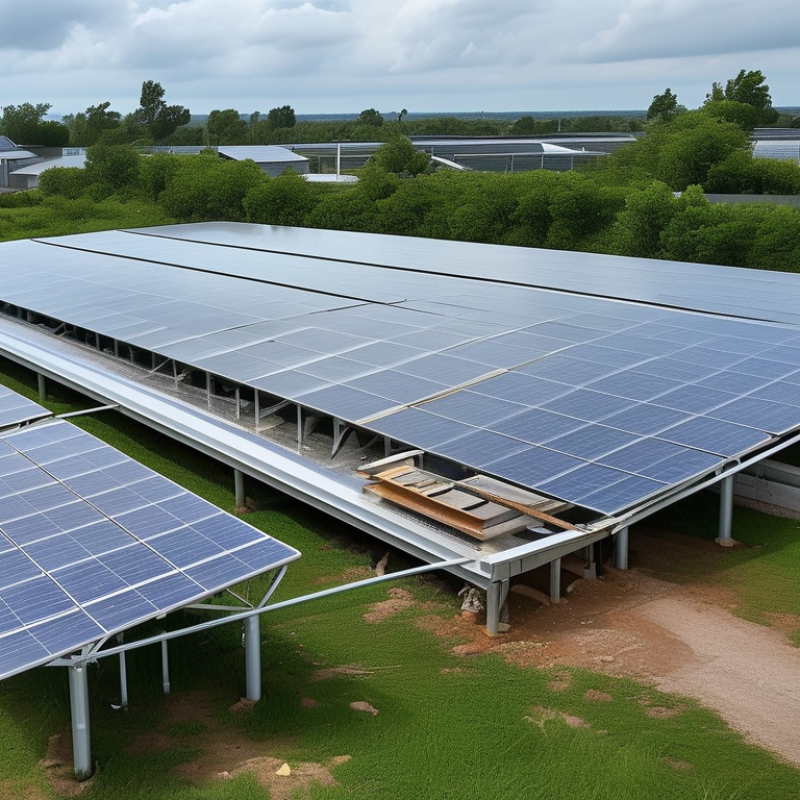
When choosing materials for solar structures, durability is key. Two popular options are stainless steel and galvanized steel. Each has unique properties that suit different environments and applications. Understanding their differences can prevent costly mistakes.
The question often arises: "When should I use stainless steel vs galvanized steel for solar structures?" Stainless steel resists corrosion well, making it ideal for coastal areas or harsh conditions. On the other hand, galvanized steel is more affordable and offers good protection against rust in less severe environments.
Material selection impacts not only the lifespan of solar structures but also long-term maintenance costs. Awareness of the specific climate and installation site is critical. While galvanized steel can be sufficient in many scenarios, stainless steel provides extra assurance. Balancing cost and performance is essential, and reflection on future needs can guide your choice.
When selecting materials for solar structures, the choice between stainless steel and galvanized steel can significantly impact durability and performance.
Stainless steel, known for its corrosion resistance and low maintenance, is preferred in harsh environments. According to the American Galvanizers Association, stainless steel can last over 50 years in coastal areas without substantial degradation.
On the other hand, galvanized steel offers a cost-effective solution. The zinc coating provides corrosion protection, but its lifespan is shorter compared to stainless steel. Typically, galvanized steel has a lifespan of 30 years in moderate conditions. However, its performance varies based on environmental factors, which can sometimes lead to unexpected maintenance needs.
Choosing the right material also depends on load requirements and structural integrity. Stainless steel can handle higher loads due to its greater strength, making it suitable for larger installations. Nevertheless, the initial costs can deter some projects. Understanding the balance between cost, lifespan, and structural demands is crucial for optimal performance in solar energy applications.
When selecting materials for solar structures, the choice between stainless steel and galvanized steel is crucial. Factors like corrosion resistance, strength, and cost play significant roles in decision-making. Stainless steel excels in harsh environments. It is resistant to rust and degradation. This makes it suitable for coastal areas or regions with heavy rainfall.
Galvanized steel, on the other hand, is often more cost-effective. It has a protective zinc coating that shields it from corrosion. However, its lifespan may vary based on environmental factors. For example, exposure to extreme saltwater can reduce its effectiveness. Understanding the specific environmental conditions is essential. It directly influences the longevity and durability of the solar structure.
Another aspect to consider is maintenance. Stainless steel requires less upkeep compared to galvanized steel. Investors should evaluate the long-term costs associated with maintenance. Making an informed choice helps ensure the structure remains functional and cost-effective over time. Each option has its pros and cons, making it vital to weigh these factors carefully.
This chart compares the performance ratings of Stainless Steel and Galvanized Steel based on key factors influencing material selection for solar structures, including corrosion resistance, durability, cost, weight, and installation ease.
Corrosion resistance is crucial when selecting materials for solar structures. Stainless steel typically offers superior protection against the elements compared to galvanized steel. According to the International Corrosion Council, stainless steel can withstand harsh environments, exhibiting a lifespan of over 25 years in coastal areas, whereas galvanized steel may only last 10 years under similar conditions. This discrepancy highlights the importance of material selection based on environmental factors.
Galvanized steel is coated with zinc, providing a barrier against corrosion. However, once the zinc layer wears off, the underlying steel becomes vulnerable. The American Galvanizers Association reports that maintenance costs increase significantly after five years for structures in aggressive weather. In contrast, stainless steel, while initially more expensive, requires minimal maintenance due to its inherent corrosion-resistant properties.
It’s essential to consider both initial costs and long-term durability. While stainless steel might appear overpriced, its longevity often justifies the investment. On the other hand, the initial savings from galvanized steel can lead to increased replacement frequencies and maintenance costs. Weighing these factors can ensure a more informed decision for solar projects.
When deciding between stainless steel and galvanized steel for solar structures, cost is a crucial consideration. According to recent industry reports, stainless steel may require a higher initial investment, up to 50% more than galvanized options. However, its durability can lead to lower maintenance costs over the lifespan of the solar installation. For instance, stainless steel resists corrosion and can last more than 30 years without significant degradation, compared to galvanized steel, which might show signs of wear in as little as 10 years.
In addition to longevity, the performance under various environmental conditions must be analyzed. A study by the National Renewable Energy Laboratory highlighted that stainless steel retains structural integrity in extreme temperatures and environments. This reliability can translate to fewer replacements, ultimately improving the return on investment. While galvanized steel may appear more attractive upfront, the potential long-term cost associated with its replacement could negate initial savings. Careful consideration of these factors is essential for any project planning to ensure effective financial management and infrastructure durability.
When selecting materials for solar structures, choosing between stainless steel and galvanized steel is crucial. Stainless steel is known for its resistance to corrosion, making it ideal for coastal areas or places with high humidity. It is often used in solar frames and mounting systems that require longevity. However, it can be more expensive than galvanized steel.
On the other hand, galvanized steel provides a cost-effective option. Its zinc coating protects it against rust and corrosion. It's commonly recommended for inland solar projects where moisture exposure is less critical. Nevertheless, its lifespan may be shorter in harsh environmental conditions, leading to potential maintenance needs later.
Each material has its advantages and limitations. Assessing the environment and project requirements is essential. Evaluating the long-term costs versus immediate savings can lead to better choices. Remember, the right material enhances system performance and reduces future expenses.
: Stainless steel offers superior corrosion resistance, especially in harsh environments. It can last over 25 years in coastal areas.
Galvanized steel is coated with zinc, which acts as a barrier against rust. However, once this layer wears off, protection decreases.
Maintenance costs for galvanized steel increase significantly after five years, especially in aggressive weather conditions.
Yes, despite higher initial costs, its longevity and low maintenance needs often justify the investment over time.
Stainless steel is ideal for coastal or high humidity areas, where corrosion resistance is critical for longevity.
Galvanized steel is cost-effective for inland solar projects with less moisture exposure, though its durability may be limited.
Evaluate both the environmental conditions and long-term costs versus immediate savings to choose the best material.
Yes, the initial savings from galvanized steel may result in more frequent replacements and higher future maintenance costs.
Each has limitations; improper assessment of project needs can lead to inefficiencies and unexpected expenses later.
Choosing the right material not only enhances system performance but also reduces future maintenance and operational expenses.
When considering the materials for solar structures, the decision between stainless steel and galvanized steel hinges on several critical factors. Understanding the properties of each material is essential, particularly their corrosion resistance and cost-effectiveness over time. Stainless steel offers superior resistance to corrosion, making it ideal for applications in harsh environments, while galvanized steel, with its lower upfront cost, can be suitable for less demanding conditions.
When should I use stainless steel vs galvanized steel for solar structures? This question largely depends on the specific environmental conditions and budget constraints of the project. For long-term investments, stainless steel may prove more economical due to its durability, while galvanized steel can serve well in applications where budget is paramount and exposure to corrosion is expected to be minimal. Analyzing application scenarios for both materials can guide the selection process to ensure optimal performance and longevity in solar projects.
Trope Solar