How to Choose Between Fixed Tilt and Solar Trackers?

Time:2026-08-05 Author:Sophia
0%

In the realm of solar energy, the choice between fixed tilt systems and solar trackers is crucial. “What is the difference between fixed tilt and solar trackers?” asks industry expert Dr. Emily Roberts. Her insights help clarify this decision's complexities. Fixed tilt systems offer simplicity and lower costs. However, they don't maximize energy output.

On the other hand, solar trackers adjust to follow the sun's path. This tracking capability can significantly boost energy production. Yet, they require more maintenance and higher initial investment. Finding the right balance between cost-effectiveness and energy efficiency is vital.

As Dr. Roberts points out, “The choice depends on site conditions and energy goals.” Both options have their merits and drawbacks. It's essential to weigh these factors carefully for informed decisions. Understanding these differences can lead to better solar energy investments. Making a thoughtful choice impacts both the environment and financial returns. Reflect on your needs and future goals.
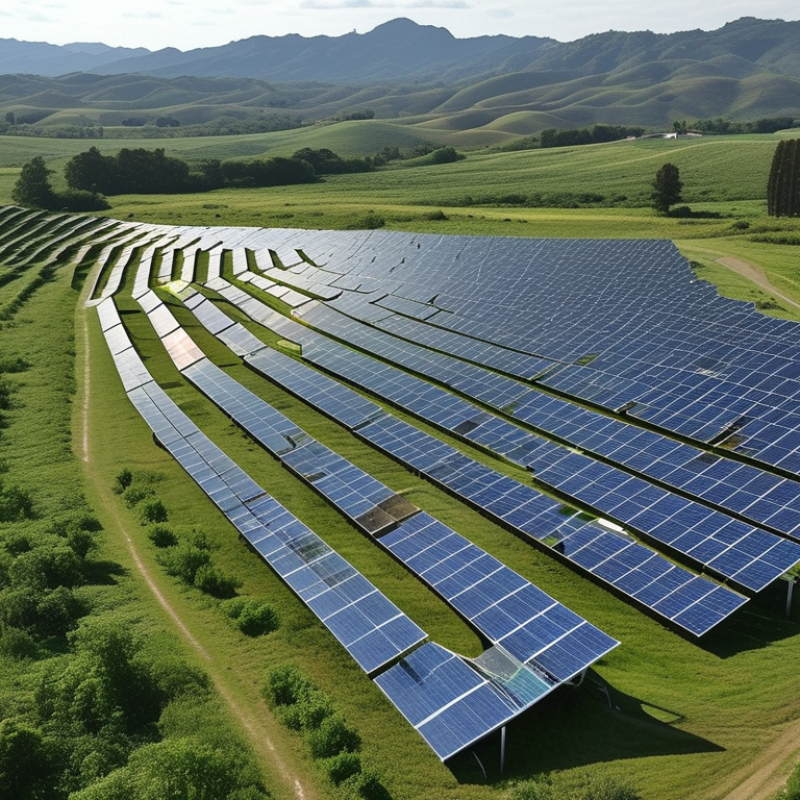
How to Choose Between Fixed Tilt and Solar Trackers?

Understanding Fixed Tilt Solar Systems: Advantages and Limitations

Fixed tilt solar systems offer a reliable way to harness solar energy. These systems consist of panels mounted at a fixed angle, typically optimizing sunlight capture for a specific location. The main advantage of fixed tilt systems is their simplicity. They require less maintenance compared to solar trackers. Installation is also typically faster and less expensive.

However, fixed tilt systems do come with limitations. They may not capture optimal sunlight throughout the day and seasons. This can lead to lower energy production, particularly in the winter months or when the sun is at a low angle.

Tips: If you’re considering a fixed tilt system, prioritize the placement and angle of your panels. Conduct a solar assessment for your specific location. Monitor the production regularly to evaluate performance. Assess whether adding more panels could offset energy losses due to fixed angles. Remember, while fixed systems are easier, they might not always yield the highest returns.

Exploring Solar Trackers: Types, Benefits, and Drawbacks

When considering solar energy solutions, understanding the types of solar trackers is critical. Solar trackers are devices that orient solar panels toward the sun, enhancing energy capture throughout the day. There are two primary types: single-axis and dual-axis trackers. Single-axis trackers rotate on one axis, tracking the sun from east to west. Dual-axis trackers adjust both vertically and horizontally, maximizing exposure. Data from the National Renewable Energy Laboratory shows that solar trackers can increase energy production by 25-50% compared to fixed tilt systems.

Despite these benefits, solar trackers come with certain drawbacks. They are typically more expensive to install and maintain. The added mechanical components can lead to increased failure rates. Research indicates that maintenance costs can be up to 10% higher for systems with trackers compared to fixed installations. Additionally, tracking systems are more susceptible to damage from extreme weather. This raises concerns about reliability and operational efficiency.

Choosing between fixed tilt and solar trackers should involve careful consideration of site conditions and long-term goals. Not every location benefits from tracking systems. Variations in sunlight availability can make fixed systems a more stable choice. Evaluating local weather patterns and soil conditions is essential. This information can help determine which system will yield the best return on investment.

Factors to Consider When Choosing Between Fixed Tilt and Trackers

When choosing between fixed tilt systems and solar trackers, several factors come into play. Fixed tilt systems are simpler in design. They require less maintenance and have lower installation costs. However, they often produce less energy, especially in regions with variable sunlight. This can be a critical consideration for project viability.

Solar trackers, on the other hand, can adjust their position to follow the sun's path. This can lead to increased energy yields, often by 25% or more, depending on the location. Yet, these systems face potential mechanical issues. The complexity of installation may also deter some investors. Maintenance can be more demanding, requiring regular checks on moving parts.

Site conditions heavily influence the decision. Areas with high wind or snow may not be ideal for trackers. Analyzing soil type and land elevation is crucial. In some cases, a combination of both systems can maximize efficiency. Reflecting on these points can guide your choice. Understanding local climate patterns ensures informed decisions. Each system presents unique advantages and challenges.

Cost Analysis: Fixed Tilt vs. Solar Trackers Over Time

When considering solar energy options, cost plays a key role. Fixed tilt installations often require a lower initial investment. They are simpler to install and maintain. This can make them appealing for budget-conscious projects. However, they do not adapt to the sun's movement, which can reduce energy generation throughout the day.

On the other hand, solar trackers can increase energy output significantly. They follow the sun's path, allowing for maximum exposure. This adaptive capability may lead to higher long-term savings despite a higher upfront cost. Over time, the additional energy harvested can offset initial expenses. It’s crucial to analyze local solar conditions and energy needs.

Keep in mind that while trackers promise efficiency, they come with complexities. Maintenance can increase costs and require skilled technicians. Fixed tilt systems, though less productive, offer simplicity and stability. Evaluating the right choice requires balancing initial investment with potential long-term gains. Each option presents unique challenges and benefits that must be carefully weighed.

Site Assessment: How Location Affects Your Choice of Solar System

When deciding between fixed tilt solar panels and solar trackers, site assessment is crucial. Your location shapes the sun's path. It also impacts the system's efficiency. Areas with frequent cloud cover may not benefit as much from solar trackers. The added complexity can be a hurdle in such cases.

Soil type and terrain play a role too. Regions with uneven landscapes may require additional groundwork. This can increase installation costs. A flat area is ideal for fixed systems, while solar trackers work well on slopes. Think about maintenance access when choosing a location.

Consider the weather patterns in your area. Windy regions may pose risks for solar trackers. Their moving parts can be vulnerable under strong gusts. Be aware of these factors. Sometimes, simple fixed systems yield the best returns. Each option has its risks and rewards. Balancing efficiency with practicality is key.

Solar System Choice: Fixed Tilt vs. Solar Trackers

FAQS

: What is a fixed tilt solar system?

: A fixed tilt solar system has panels mounted at a specific, unchanging angle for sunlight capture.

What are the advantages of fixed tilt solar systems?

They are simple, require less maintenance, and often cost less to install.

Are there limitations to fixed tilt solar systems?

Yes, they may not capture optimal sunlight at different times of the day or year.

How can I optimize energy production with fixed tilt systems?

Prioritize panel placement and angle, and conduct a solar assessment for your location.

What should I monitor for performance evaluation?

Regularly check energy production and consider adding more panels if needed.

How does location affect the choice of solar system?

Your area influences sunlight path, efficiency, and suitability for fixed vs. tracking systems.

What environmental factors should be considered?

Weather patterns, soil type, and terrain can impact installation and performance.

Why might a flat area be better for solar systems?

Flat areas are ideal for fixed systems; slopes suit solar trackers better.

What are the risks of solar trackers in windy areas?

Their moving parts can be susceptible to damage from strong winds.

How can I balance efficiency and practicality when choosing a system?

Assess both options carefully and weigh their risks and rewards for your situation.

Conclusion

In the quest for optimal solar energy solutions, one crucial consideration is understanding the difference between fixed tilt and solar trackers. Fixed tilt solar systems offer simplicity and lower installation costs but may yield less energy compared to their tracker counterparts, which can adjust their position to follow the sun throughout the day. Each system presents unique advantages and limitations, which users must weigh based on site assessment and specific energy needs.

When deciding between fixed tilt and solar trackers, it’s essential to consider several factors, including location, installation costs, and long-term energy production. While solar trackers generally provide higher energy output, they come with higher initial investments and maintenance needs. A thorough cost analysis over time will help in determining the best option that aligns with both budgetary constraints and energy goals. Ultimately, understanding these distinctions will guide individuals in making informed decisions about their solar systems.

Sophia

Sophia

Sophia is a dedicated marketing professional with an exceptional depth of knowledge about her company's products and services. With a keen understanding of market trends and customer needs, she crafts insightful blog posts that not only inform but also engage readers, enriching the company’s online......