Choosing between ground screws and concrete foundations is a critical decision in construction. As industry expert John Smith notes, "The foundation choice can significantly impact the project's durability and cost." Understanding how to choose between ground screws and concrete foundations requires analyzing various factors.
Ground screws offer faster installation and less disruption to the surrounding environment. They can be ideal for projects in sensitive areas or where soil conditions are challenging. In contrast, concrete foundations provide long-term stability and are often preferred for heavier structures.
However, this choice is not always straightforward. Each option has its pros and cons. While ground screws can save time and labor costs, concrete may be more suitable for specific project scales. It’s essential to weigh these aspects carefully, ensuring that the chosen foundation aligns with the project's unique needs.
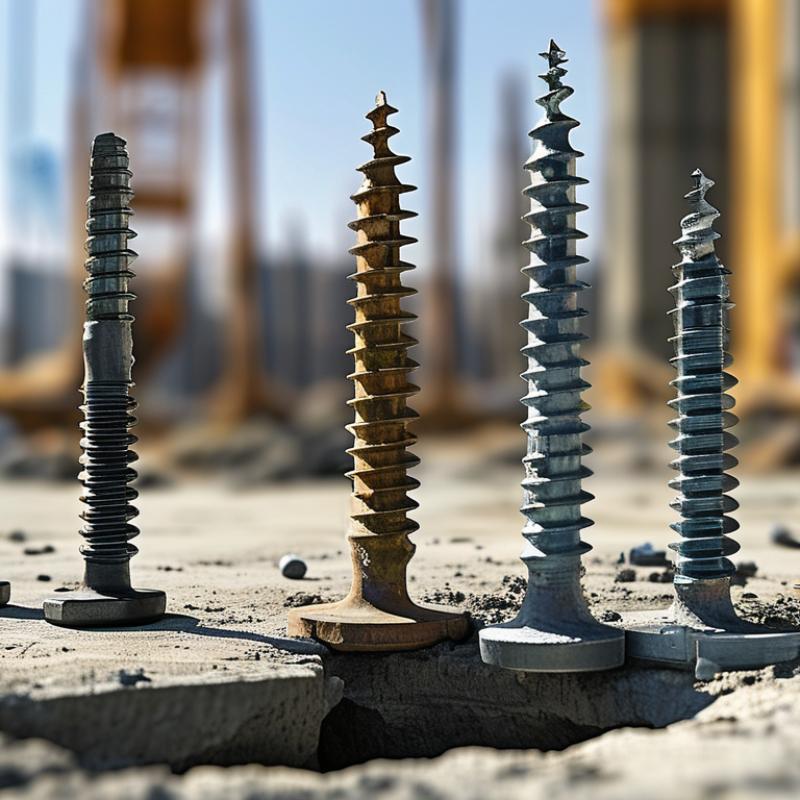
Ground screws and concrete foundations serve as essential components in construction. Choosing between them can be challenging.
Ground screws are often faster to install. They require minimal excavation, making them less disruptive to the environment. This can be beneficial in sensitive areas.
However, they may not provide the same load-bearing capacity as concrete in some situations.
Concrete foundations, on the other hand, offer solid durability and strength. They are better suited for larger structures needing stability.
However, pouring concrete demands more time and labor. Weather conditions can delay the work. It’s also crucial to consider the soil type and site conditions for both options.
Ground screws might struggle in rocky soil, while concrete might require extensive groundwork in unstable areas.
Analyzing costs is essential. Ground screws may seem more affordable initially. But the long-term maintenance must be evaluated.
Concrete foundations tend to have a longer lifespan with fewer issues. Each option has its trade-offs, so understanding specific project needs is vital for an informed choice.
Evaluating these factors can lead to a more effective decision.
When evaluating the load-bearing capacity of ground screws versus concrete foundations, it's essential to consider how these options perform under pressure. Ground screws, made from steel, provide impressive strength. According to industry reports, they can support loads of up to 40 kN per screw, depending on soil conditions and installation depth. This adaptability makes them suitable for various applications, from residential projects to commercial structures.
Concrete foundations are traditionally known for their resilience. A well-designed concrete foundation can carry loads exceeding 100 kN per square meter when set correctly. However, they require longer curing times and can be affected by moisture and temperature fluctuations. This uncertainty can sometimes lead to cracks, which may become a structural concern over time.
In practical applications, the choice may depend on soil quality and project scale. Some may find that while concrete offers higher load limits, ground screws can provide more ease of installation and versatility. It's worth reflecting on whether a quick, strong installation is preferable over the heavy-duty nature of concrete. Each project's unique demands should shape the decision process.
This chart compares the load-bearing capacities of ground screws and concrete foundations based on various soil types and conditions.
When considering ground screws versus concrete foundations, installation time can play a significant role in your decision. Ground screws are designed for rapid installation, often taking only a few hours per screw, depending on the site conditions. A report by the International Foundation Association indicates that ground screws can reduce site preparation time by up to 50% compared to traditional concrete foundations.
Concrete methods typically require excavation, mixing, pouring, and curing, which can extend the timeline significantly. This process may take several days to weeks. In contrast, ground screws eliminate most of these steps. According to construction industry analysis, the average concrete installation may require a workforce of several professionals over days. Conversely, a single operator can often install ground screws quickly and efficiently, decreasing labor costs and reducing the overall project timeline.
However, site conditions can affect efficiency. Ground screws may not perform optimally in rocky or highly unstable ground. In such cases, further evaluation is necessary. It's crucial to assess soil conditions and structural requirements before deciding. Both methods have their merits and challenges, making it essential to weigh all factors carefully.
When considering ground screws versus concrete foundations, the cost analysis is crucial. Ground screws often require a lower initial investment. A recent industry report suggests that ground screws can reduce installation costs by up to 30% compared to traditional concrete foundations. This savings primarily comes from faster installation and minimized labor costs. The average installation time of ground screws is significantly shorter, typically taking a few days rather than weeks.
Beyond the initial expenses, long-term benefits play a vital role. Ground screws have a longer lifespan, often exceeding 50 years with minimal maintenance. In contrast, concrete foundations may develop cracks or structural issues over time, leading to costly repairs. The durability of ground screws can result in savings on upkeep. Research indicates that maintenance costs for concrete foundations can be approximately 20% higher over two decades compared to ground screws. This data highlights the importance of considering long-term value alongside immediate costs.
However, the choice between these two options depends on unique project requirements. Each method has strengths and weaknesses that may not suit every scenario. Ground screws may not perform well in extremely unstable soil conditions, while concrete offers robustness in heavy-load situations. It’s essential to carefully weigh these factors against financial implications. A comprehensive analysis of site conditions and future needs is vital for making an informed choice.
| Criteria | Ground Screws | Concrete Foundations |
|---|---|---|
| Initial Cost | $5-$10 per screw | $120-$250 per cubic meter |
| Installation Time | 1-2 days | 1-2 weeks |
| Environmental Impact | Lower, minimal site disturbance | Higher, significant site disturbance |
| Longevity | 25-50 years | 50-100 years |
| Maintenance Cost | Low, minimal upkeep | Medium, periodic repairs |
When considering the environmental impact of ground screws versus concrete foundations, several factors are critical.
Ground screws are highly sustainable. They leave a smaller carbon footprint compared to traditional concrete.
According to a study by the International Journal of Sustainable Engineering, ground screws can reduce carbon emissions by up to 60%. This statistic is significant for eco-conscious builders and developers.
Concrete production, on the other hand, is energy-intensive. It accounts for approximately 8% of global carbon dioxide emissions, as highlighted by the Global CCS Institute.
The extraction of raw materials, such as limestone, contributes to habitat destruction and increased carbon output. Furthermore, concrete requires a significant amount of water for mixing and curing, potentially straining local resources.
Ground screws can be installed quickly and with less disturbance to the natural soil. This feature minimizes the disruption of local ecosystems.
In contrast, concrete foundations often require excavation, resulting in increased soil erosion and habitat loss.
Developers should reflect on these factors. The choice between these two methods not only impacts construction efficiency but also aligns with sustainability goals for a greener future.
: Ground screws are steel screws used for fast and easy installation in construction. They minimize excavation and site disruption.
Ground screws can often be installed in just a few hours per screw. This can save significant time compared to concrete methods.
Ground screws can support loads up to 40 kN, depending on soil conditions and installation depth. They offer versatility in different applications.
Concrete foundations can carry loads exceeding 100 kN per square meter, but they require careful design and setup.
Factors include soil type, installation time, project scale, and required load capacity, which should be assessed carefully.
Not always. Ground screws may struggle in rocky soil, while concrete is preferred for larger, heavy-duty structures.
While ground screws may be initially cheaper, maintenance costs should be evaluated over time for informed decision-making.
Weather can delay concrete installation, affecting curing time and potentially leading to cracks in the structure.
Yes, site conditions like soil stability can significantly affect both ground screws and concrete installation efficiency.
Assess the soil quality and structural requirements to determine which foundation method is optimal for the project.
When considering how to choose between ground screws and concrete foundations, it's essential to evaluate several key factors. Ground screws offer a unique advantage in terms of load-bearing capacity and installation efficiency, making them a rapidly deployable option in many construction scenarios. Their lightweight design allows for quicker setups compared to traditional concrete methods, which often require extensive curing time and labor.
Additionally, a thorough cost analysis reveals that while the initial investment in ground screws may be comparable, their long-term benefits often outweigh those of concrete foundations due to lower maintenance requirements and environmental impacts. Ground screws are generally considered more sustainable, contributing to eco-friendly construction practices. Ultimately, the decision should hinge on the specific requirements of the project, taking into account load capacities, installation times, costs, and sustainability considerations.

Trope Solar