How to Choose the Best Solar Mounting System for Metal Roofs?

Time:2026-07-26 Author:Liam
0%

Choosing the right solar mounting system for metal roofs is crucial for maximizing efficiency and ensuring durability. Industry expert John Smith, who has over 15 years of experience in solar installations, suggests, "The right mounting system can make or break your solar project." His insight highlights the importance of a well-suited system tailored to specific roof designs.

Metal roofs offer unique advantages, such as longevity and durability. However, selecting the appropriate mounting system can be challenging. Different systems have varying requirements based on factors like roof slope and material. Some mounts may require additional hardware, which can complicate planning.

Despite technological advancements, not every system will fit your needs perfectly. It's vital to research each option carefully. Take time to compare different products. Consider consulting with a professional who specializes in metal roofs to avoid mistakes. Knowledge is key in this process, shaping your decision-making journey. Exploring how to choose the right solar mounting system for metal roofs could save you future headaches.
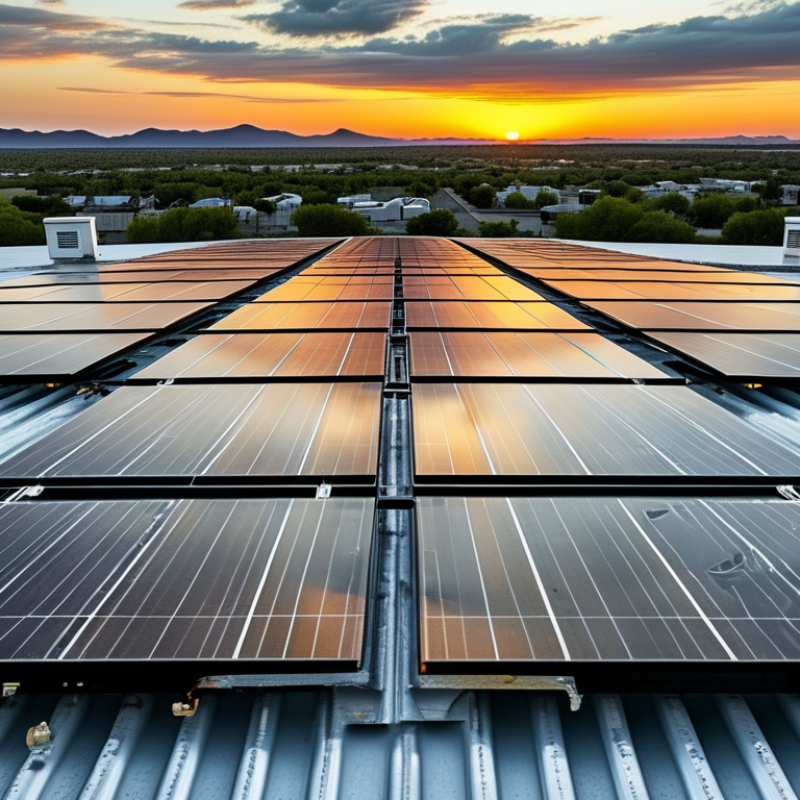
How to Choose the Best Solar Mounting System for Metal Roofs?

Understanding the Basics of Solar Mounting Systems for Metal Roofs

Choosing the right solar mounting system for metal roofs requires a solid understanding of its components. Metal roofs are becoming increasingly popular, with over 15% of new homes in the U.S. opting for this type of roofing, according to the Metal Roofing Alliance. A reliable mounting system ensures your solar panels are secure and efficient.

There are various mounting systems to consider. Rail-mounted systems offer durability and ease of installation. Non-penetrating options can protect your roof’s integrity. Each choice comes with its pros and cons. Researching local building codes is crucial, as they can dictate installation practices and materials.

Tips: Always assess the roof's slope and structural integrity before installation. Seek professional advice when in doubt. Remember, improper installation could lead to leaks or damage. The right system not only enhances efficiency but could also improve the roof’s lifespan. Regular maintenance checks are recommended to ensure the mounts remain secure over time.

Solar Mounting System Performance for Metal Roofs

Types of Solar Mounting Systems Compatible with Metal Roofs

When choosing a solar mounting system for metal roofs, understanding the compatibility of various types is crucial. Solar mounting systems can be broadly categorized into two types: rail-based and rail-less systems. Rail-based systems typically utilize long mounting rails that attach directly to the roof structure. These systems are often considered more robust and provide a straightforward installation process. Their design makes it easy to adjust solar panel angles, optimizing energy capture.

On the other hand, rail-less systems offer a more streamlined approach. These systems use brackets that directly secure solar panels to the roof. This can significantly reduce the weight and material required, making them suitable for specific metal roof types. Additionally, rail-less systems can minimize potential leak points, enhancing the roof's integrity. However, they may require careful planning and precise measurements to ensure proper panel alignment and stability.

Consideration of roof pitch and material types is vital when selecting a system. Some metal roofs may have seams or contours that can affect installation choices. It's important to assess local weather patterns too. Areas with heavy snow or high wind may necessitate a more durable mounting solution. Choosing the right system can feel overwhelming but researching options and consulting with professionals can help streamline the process.

Key Factors to Consider When Choosing a Solar Mounting System

Choosing the right solar mounting system for metal roofs involves several key factors. First, consider the roof's pitch and type. Metal roofs can vary in design, which affects how mounting systems attach. The system must align with the specific angles and shapes of your roof.

Material quality is another important aspect. Look for durable materials that can withstand environmental stresses. High-grade aluminum or stainless steel is often recommended for longevity. These materials ensure the system remains intact against extreme weather conditions.

Tips: Assess the local climate. Different weather patterns may require specific mounting designs. Also, consult with professionals. They can provide insights based on past installations. Take time to review installation standards as well. Reliable mounting systems should adhere to local codes for safety and performance.

Pay attention to the warranty. A good warranty reflects manufacturer confidence and product quality. Be cautious of systems that seem overly cheap. Sometimes, lower prices indicate inferior materials or designs. Conduct thorough research to ensure the investment is worthwhile. Prioritize efficiency and reliability to maximize your solar system's potential.

Installation Guidelines for Solar Mounting Systems on Metal Roofs

When installing solar mounting systems on metal roofs, precision is crucial. Metal roofs come in various profiles and materials, affecting the mounting process. Begin by selecting the right type of mounting system that fits your roof. Ensure that it matches the metal thickness and profile. A good fit increases longevity and performance.

Before installation, inspect your roof for any damage. Dents or rust can compromise mounts. Remember to use appropriate tools. A torque wrench can be beneficial to avoid over-tightening. Over-tightened bolts can cause roof damage or leaks.

Tip: Always double-check dimensions. Accurate measurements ensure that the mounts align properly. A small mistake could lead to bigger problems later.

Consider weather resistance. Ensure that the system can withstand local conditions, such as high winds or heavy snow. Not all mounts are created equal; some perform better in specific climates. Research thoroughly to find what suits your location best.

Tip: Review installation guides carefully. They often contain valuable insights and common pitfalls. Learn from others' experiences; avoid mistakes they made. This can save time and resources.

Maintaining and Inspecting Solar Mounting Systems on Metal Roofs

Maintaining and inspecting solar mounting systems on metal roofs is vital for their long-term performance. Regular assessments can prevent minor issues from escalating. Check for any signs of corrosion or damage on the mounting brackets. Ensure that all bolts and screws are tightened securely. A loose connection could lead to significant problems during severe weather.

Inspecting the roof's surface is also crucial. Look for any debris, as it can affect the system's efficiency. Keeping the roof clean allows for better water drainage and prevents leaks. Be cautious when accessing the roof. Safety should always be your first priority.

Tips: Schedule inspections at least twice a year. After heavy storms, examine the system closely. Document any issues to track their progression. Also, consider hiring a professional for thorough evaluations. They bring expertise to identify hidden problems. Regular maintenance not only enhances performance but can also extend the system's lifespan.

How to Choose the Best Solar Mounting System for Metal Roofs? - Maintaining and Inspecting Solar Mounting Systems on Metal Roofs

Criteria Description Recommendations Maintenance Tips
Material Compatibility Ensure the mounting system is suitable for the metal roof type (e.g., standing seam, corrugated). Choose systems with adjustable mounting brackets for better fit. Inspect for rust and wear on mounting hardware regularly.
Load Capacity Consider the weight of solar panels and wind loads. Consult engineering specifications for weight limits. Check for any cracks or compromises in mounting structure.
Installation Method Evaluate whether the system requires penetrating or non-penetrating installation. Choose non-penetrating options if roof warranty is a concern. Regularly check seals and gaskets if penetrating mounts are used.
Wind Resistance Systems should withstand local wind speeds and conditions. Look for systems tested to high wind load standards. Inspect for looseness post-storm events.
Warranty Review warranty terms and duration offered by manufacturers. Select products with extended warranties for peace of mind. Document any maintenance completed for warranty claims.

FAQS

: What are the two main types of solar mounting systems for metal roofs?

: The two main types are rail-based systems and rail-less systems.

How do rail-based systems work?

Rail-based systems use long mounting rails attached directly to the roof structure. They allow easy angle adjustments.

What advantage do rail-less systems offer?

Rail-less systems use brackets to secure panels, reducing weight and minimizing potential leak points.

Why is it important to assess the roof's slope before installation?

The roof's slope affects the mounting system's compatibility and overall performance. Proper assessment is crucial.

What should I check before installing solar mounts?

Inspect your roof for damage, like dents or rust, which can compromise the installation and mounts.

Why is precision vital during installation?

Small measurement errors can lead to bigger problems, such as misalignment or damage to the roof.

How can local weather affect my choice of mounting system?

Weather conditions, like snow or high winds, require durable mounts suited for your specific climate.

What tools should I use during installation?

Use appropriate tools, like a torque wrench, to prevent over-tightening that can damage the roof.

Should I review installation guides before starting?

Yes, installation guides provide valuable tips and help avoid common mistakes others have made.

Is it okay to skip professional advice?

Skipping professional advice can increase risks of improper installation and potential long-term damage.

Conclusion

When considering how to choose the right solar mounting system for metal roofs, it's essential to understand the basics of these systems and their compatibility with various metal roof types. Solar mounting systems are designed to securely attach solar panels to roofs, ensuring optimal performance and durability. There are several types available, including fixed tilt and tracking systems, each with its unique benefits.

Key factors to consider include the roof's slope, material, and structural integrity, as well as the local weather conditions. Proper installation guidelines are also crucial to ensure safety and efficiency. Regular maintenance and inspections of the mounting systems play a significant role in prolonging their lifespan and performance. By focusing on these aspects, homeowners can effectively navigate the selection process and ensure their solar investment is secure and effective.

Liam

Liam

Liam is a dedicated marketing professional with a profound expertise in the industry, where he excels at highlighting the unique advantages of our core products. With a keen understanding of market trends and consumer needs, Liam frequently updates our company’s professional blog, providing......