How Do Bifacial Solar Panels Work with Tracking Systems?

Time:2026-07-01 Author:Amelia
0%

Bifacial solar panels are revolutionizing solar energy capture. However, understanding their interaction with tracking systems is crucial. So, how do bifacial solar panels work with tracking systems?

Bifacial panels capture sunlight from both sides. This feature increases energy output remarkably, especially when paired with tracking systems. Tracking systems follow the sun’s path, maximizing exposure during the day. With the right setup, these panels can harness reflected sunlight from the ground. The installation location plays a role here.

While the benefits are clear, challenges exist. For instance, site selection affects both performance and cost. There is a debate over the ideal surface material for reflection. Moreover, focusing on efficiency can lead to increased complexity in installation and operation. Understanding these nuances is vital for optimizing energy yield from bifacial solar panels in collaboration with tracking systems.
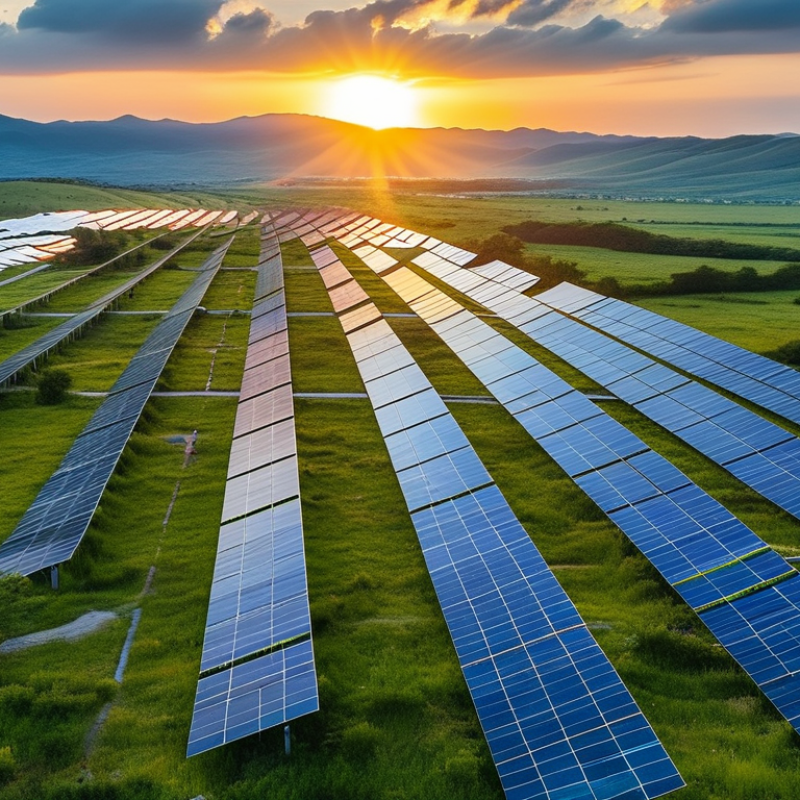
How Do Bifacial Solar Panels Work with Tracking Systems?

Understanding the Basics of Bifacial Solar Panels

Bifacial solar panels are innovative devices that harness sunlight from both sides. They are designed to absorb direct sunlight and reflected light from surrounding surfaces. This unique design allows for an increase in energy production compared to traditional solar panels. Understanding their workings is crucial for effective implementation.

One key aspect of bifacial solar panels is their compatibility with tracking systems. These systems adjust the panel's position to face the sun throughout the day. By maximizing sunlight exposure, the overall energy yield improves significantly. This synergy between bifacial technology and tracking systems enhances efficiency.

Tips: If you consider installing bifacial panels, evaluate your site’s reflection potential. Surfaces like concrete or white roofs can enhance performance. Regular maintenance is vital; dirty panels can reduce efficiency. Keep them clean to ensure optimal energy production. Remember, the initial investment can be higher, but the long-term benefits may outweigh the costs. Reflect on whether the energy production aligns with your needs.

The Mechanism of Bifacial Solar Energy Generation

Bifacial solar panels operate using a distinct mechanism that capitalizes on sunlight from both sides. These panels absorb direct sunlight on their front surfaces while also harnessing reflected light from the ground or nearby surfaces. This dual absorption significantly boosts energy generation compared to traditional monofacial panels.

The integration of tracking systems enhances the effectiveness of bifacial panels. By moving to follow the sun’s path across the sky, these systems maximize exposure to sunlight. Such tracking systems can increase annual energy production by up to 25%. However, they require careful installation and maintenance to ensure optimal performance.

Yet, challenges remain. Factors like ground reflectivity and weather conditions can impact efficiency. In some setups, insufficient space or improper angle can limit the benefits of bifacial designs. A successful implementation demands detailed site assessment and a realistic understanding of local conditions. This is crucial for achieving truly efficient energy generation.

Benefits of Integrating Tracking Systems with Bifacial Panels

Bifacial solar panels utilize both sides to capture sunlight, increasing efficiency. When paired with tracking systems, these panels can significantly boost energy production. Tracking systems adjust the panels’ angle to follow the sun’s path throughout the day. This ensures maximum exposure to sunlight, enhancing the advantages of the bifacial design.

Integrating tracking systems with bifacial panels can lead to noteworthy gains in electricity generation. Some reports indicate up to 40% more energy output compared to fixed installations. This potential increase can make a significant impact on energy projects, especially in areas with high solar insolation. However, implementing these systems can also raise upfront costs and maintenance complexities.

Understanding the environmental conditions is crucial. Not all locations will benefit equally from this combination. Factors like shading, ground reflectivity, and local climate should be assessed. Poor planning might lead to suboptimal performance. Each project must be tailored to its unique setting to achieve the best results. Careful evaluation is key.

Types of Tracking Systems Suitable for Bifacial Solar Panels

Bifacial solar panels are designed to capture sunlight on both sides, significantly increasing energy production. When paired with tracking systems, these panels can enhance their efficiency even more. Tracking systems adjust the panels' orientation throughout the day, ensuring maximum sunlight exposure. Different types of tracking systems can be effectively utilized with bifacial panels, each with its unique benefits.

Single-axis trackers are popular due to their cost-effectiveness and simplicity. They tilt either west to east or north to south. More advanced multi-axis trackers provide even greater flexibility by allowing panels to follow the sun's trajectory in more detail. It’s essential to understand the specific terrain and environmental conditions before selecting a tracking system, as those factors greatly impact performance.

Tips: Consider combining single-axis trackers with bifacial panels in flat or mildly sloped areas for optimum results. Also, take into account the installation cost versus the energy output benefits to ensure a sound investment. Regular maintenance can also help achieve maximum efficiency, as dirt and debris can obstruct sunlight and reduce the energy harvested. Always evaluate different tracking options for your specific project needs; what works for one site may not suit another.

Factors Influencing the Efficiency of Bifacial Panels with Tracking

Bifacial solar panels have gained attention for their unique ability to capture sunlight from both sides. This characteristic is further enhanced when integrated with tracking systems. Tracking systems adjust the panel's angle, ensuring maximum exposure to sunlight throughout the day. The interaction of bifacial panels and tracking systems can lead to increased energy yield.

Several factors influence the efficiency of bifacial panels when paired with tracking systems. Ground reflectance, known as albedo, plays a significant role. Surfaces like white concrete or sand can reflect more sunlight onto the rear side of the panel. Location also matters; areas with higher solar insolation boost energy production.

However, optimal angles are challenging to determine, which might lead to less effective tracking in some systems. Weather conditions further complicate efficiency. Overcast skies limit sunlight, affecting all solar technologies, including bifacial designs. Moreover, dust and debris accumulation can hinder performance.

These elements necessitate regular maintenance and assessment to ensure panels function at their best. The interplay between design, environment, and technology reflects the complexity of maximizing solar energy harnessing.

FAQS

: What are bifacial solar panels?

: Bifacial solar panels capture sunlight from both sides. This design boosts overall energy efficiency.

How do tracking systems work with bifacial panels?

Tracking systems adjust panel angles throughout the day. This ensures maximum sunlight exposure for better energy generation.

What are the benefits of integrating tracking systems with bifacial panels?

Integrating tracking can increase energy output by up to 40%. This makes a significant difference in energy production.

Are there any drawbacks to using tracking systems?

Upfront costs may be higher with tracking systems. Maintenance can also become more complex and costly over time.

What factors affect the performance of bifacial panels with tracking systems?

Environmental conditions matter greatly. Shading, ground reflectivity, and local climate impacts can influence efficiency.

Which tracking systems are suitable for bifacial panels?

Single-axis trackers are common for their cost-effectiveness. Multi-axis trackers provide more detailed sun-following capabilities.

What tips should I consider for using bifacial panels with tracking?

Assess your terrain before choosing the tracker. Regular maintenance is crucial to keep panels free of dirt and debris.

Can all locations benefit from integrating bifacial panels with tracking systems?

Not all locations will see equal benefits. Some sites might experience suboptimal performance if not properly evaluated.

How can I ensure a good investment in solar tracking systems?

Evaluate installation costs and potential energy output carefully. Tailor solutions to your specific project needs for the best results.

Is it worth considering a combination of single-axis trackers and bifacial panels?

Yes, this combination can be effective in flat or mildly sloped areas. It often leads to better energy yields.

Conclusion

Bifacial solar panels are an innovative technology that captures sunlight from both sides, enhancing energy generation. Understanding how these panels work involves recognizing their dual-sided design that optimizes performance by utilizing reflected sunlight from surrounding surfaces. When paired with tracking systems, which adjust the position of solar panels to follow the sun's path throughout the day, the efficiency of bifacial panels can be significantly enhanced. This integration allows for greater energy collection, as the panels can capture more sunlight and reflected rays, particularly in environments with high albedo.

The benefits of integrating tracking systems with bifacial solar panels include increased energy yield and improved performance consistency. Various types of tracking systems, such as single-axis and dual-axis trackers, can be implemented based on specific site conditions and energy goals. Factors influencing the overall efficiency include geographic location, installation angle, and the reflectivity of the ground surface. Ultimately, understanding "How do bifacial solar panels work with tracking systems?" reveals a promising approach to maximizing solar energy production in diverse settings.

Amelia

Amelia

Amelia is a seasoned marketing professional with a wealth of expertise in our company’s core offerings. With an unwavering passion for driving growth and innovation, she plays a pivotal role in shaping our marketing strategies and enhancing brand visibility. A key aspect of her responsibilities......