When considering solar mounting solutions for high-altitude areas, several factors come into play. The thin air at high altitudes can significantly affect solar panel performance. High winds and heavy snowfall also present unique challenges for mounting systems. Understanding these dynamics is crucial. This leads us to the question: Which solar mounting is best for high-altitude areas?
Research shows that conventional mounting systems often fall short in these environments. They may not withstand the extreme weather conditions typical of mountainous regions. Professionals recommend specialized systems designed for durability and stability. These solutions must provide adaptability to variable terrains.
In conclusion, the best choice balances strength with versatility. Future developments in solar technology may offer even more robust options. It’s essential to evaluate the specific needs of each installation site. A thoughtful approach leads to better results in high-altitude solar energy generation.
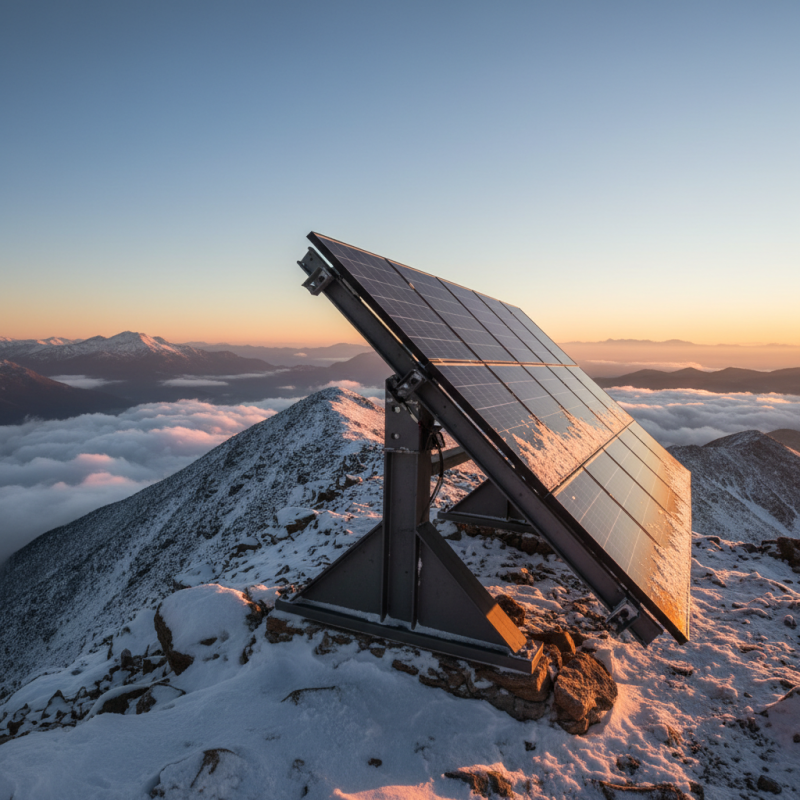
High altitude areas present unique challenges for solar mounting solutions. The thin air can lead to increased wind speeds, which add stress to mounting structures. Proper anchoring is crucial. It ensures stability and longevity under harsh conditions. Choosing durable materials that withstand these elements is essential.
Tilt angle is also vital in high altitudes. A steeper angle can capture more sunlight, maximizing energy efficiency. However, this may increase the risk of snow accumulation. Designers often debate the best balance between angle and snow shedding capabilities. This requires ongoing adjustments and monitoring.
Installation techniques demand expert knowledge. Professionals must assess the terrain and weather patterns. They should understand how elevation affects solar efficiency. There’s always room for improvement in design and implementation. Feedback loops help enhance future projects. Careful consideration and adaptability create successful solar installations in these challenging environments.
High altitude solar mounting presents unique challenges. Solar panels must withstand intense winds and heavy snowfall. The design must support stability and durability. Contractors need to use robust materials to resist harsh weather conditions.
Proper orientation is vital in peak altitudes. Sun exposure varies significantly at high elevations. This impacts efficiency and energy generation. Mounting angles should be adjustable to maximize sun capture throughout the year. Regular maintenance is crucial; altitude can lead to faster wear on components.
Safety is a primary concern. Installers often face difficult terrains. Strong winds can increase the risk of accidents during installation. Employing trained professionals with mountain experience is essential. Their expertise ensures that installations meet safety standards and perform reliably. Using drones for inspections can help monitor hard-to-reach panels, yet this approach requires further exploration.
| Mounting Type | Material | Weight (kg) | Wind Resistance (km/h) | Snow Load (kg/m²) |
|---|---|---|---|---|
| Fixed Tilt | Aluminum | 30 | 160 | 300 |
| Adjustable Tilt | Stainless Steel | 45 | 180 | 400 |
| Ballasted | Concrete | 60 | 200 | 500 |
| Ground Mounted | Galvanized Steel | 70 | 220 | 450 |
| Pole Mount | Aluminum | 25 | 150 | 350 |
When considering solar mounting systems for high-altitude areas, several options stand out. Fixed tilt mounts are popular for their simplicity and cost-effectiveness. This type accounts for more than 60% of installations globally, according to recent industry reports. Their design allows for maximum sun exposure while minimizing wind resistance, which is crucial in high-elevation locations.
Tracking systems, while more expensive, can increase energy capture significantly. Studies indicate these systems can boost energy generation by 25-35% compared to fixed systems. However, their complexity can be a drawback, leading to higher maintenance needs. In elevations that experience harsh weather, durability becomes paramount. Custom mounts must withstand extreme wind loads and snow accumulation, which can be challenging.
Building codes and environmental conditions also play a critical role. Local regulations may dictate specific requirements for anchoring and design. This complexity can lead to oversight and inconsistencies in installation. Regular inspections and adaptability become essential components for ensuring long-term performance in these unique environments. Balancing efficiency and reliability remains an ongoing challenge.
When installing solar mounting systems in high-altitude areas, the environment presents unique challenges. The thin air can affect equipment performance. Wind velocity is generally higher at such elevations, increasing the risk of structural failure. Therefore, choosing robust materials that can withstand these conditions is crucial.
Proper installation practices are vital. Contractors should conduct thorough site assessments to evaluate wind patterns and potential snow loads. Securing panels with appropriate fasteners ensures they remain intact during storms. Among the practices, ensuring proper slant for snow runoff can reduce the accumulation on solar panels. It's also important to consider how temperature fluctuations can affect the mounting systems.
Despite these precautions, issues may still arise. An initial assessment may overlook critical factors, leading to miscalculations. It's essential to revisit the installation process periodically. Regular inspections can identify wear and tear early, preventing costly repairs later. Balancing aesthetic considerations with functionality in high-altitude installations is another area deserving attention.
Maintaining solar mounts in high altitude areas poses unique challenges. Thin air leads to increased UV exposure, which can degrade materials more quickly. Regular inspections are essential to spot wear and tear early. High winds, common in these regions, can exert considerable force on mounts, risking their integrity. It's vital to choose durable materials that can withstand these forces.
Moreover, snow accumulation can weigh down mounts and panels. It might be necessary to adjust the angle of panels to minimize snow load. This adjustment should be made carefully, considering the potential for shifting or damaging the mounts. In some cases, developing a routine for snow clearing may become necessary.
Weather patterns in high altitudes can be unpredictable. Mounts should be designed to endure sudden temperature changes or storms. Local environmental conditions will influence the choice of mounting systems. Thinking about these factors ensures the longevity and reliability of solar systems in such challenging locations. A reflective attitude towards maintenance can lead to improved performance and efficiency.
: High altitude areas present challenges like increased wind speeds and thin air, stressing mounting structures.
Proper anchoring ensures stability and longevity under harsh weather conditions, which is essential for successful installations.
A steeper tilt angle captures more sunlight but can increase snow accumulation, presenting a design dilemma.
Fixed tilt mounts are simple, cost-effective, and account for over 60% of global installations, maximizing sun exposure.
Tracking systems can increase energy generation by 25-35%, but their complexity leads to higher maintenance needs.
Professionals must assess terrain and weather patterns to adapt installations, ensuring ongoing improvements and successful setups.
Local regulations dictate design and anchoring requirements, which can complicate installation and require regular inspections.
Ensuring a proper slant for snow runoff can significantly reduce snow buildup on solar panels during winter.
Temperature changes can affect material performance, risking structural integrity if not considered during installation.
Regular inspections help identify wear and tear early, preventing miscalculations and costly repairs down the road.
This article explores the best solar mounting solutions for high altitude areas, addressing critical considerations for effective installation. Factors such as wind load, snow accumulation, and temperature variations significantly influence the choice of mounting systems. Various types of solar mounting systems, including fixed mounts, tracking systems, and ballasted solutions, are examined for their suitability in elevated environments.
Best practices for installation in challenging terrains are also discussed, emphasizing the importance of professional expertise and robust engineering to ensure stability and safety. Moreover, the maintenance and durability of solar mounts are highlighted, as these elements are crucial for the longevity and performance of solar energy systems in high altitude conditions. Ultimately, the question arises: Which solar mounting is best for high-altitude areas? The answer lies in selecting a system that not only withstands environmental challenges but also optimizes solar energy capture in these unique settings.

Trope Solar