In recent years, renewable energy sources have gained significant attention. Solar energy, in particular, offers a clean and sustainable solution. Among the innovative technologies emerging in this field, dual-axis solar trackers stand out. They enable solar panels to follow the sun’s path throughout the day. This maximizes energy absorption and efficiency.
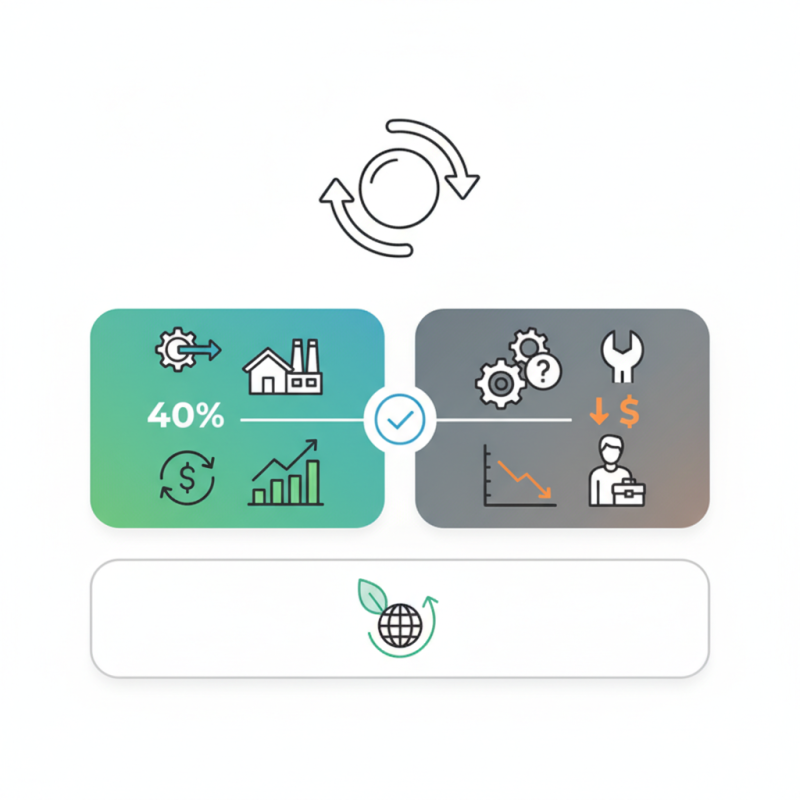
What are the benefits of dual-axis solar trackers? These devices can increase energy production by up to 40% compared to fixed systems. This means more electricity for homes and businesses. However, they come with higher upfront costs and complexity. The maintenance might also be more demanding.
The advantages often outweigh the challenges. Enhanced efficiency translates to quicker returns on investment. With the growing emphasis on sustainable energy, dual-axis solar trackers represent a vital step toward a greener future. As technology advances, their reliability and accessibility are set to improve. Exploring the benefits can help both homeowners and industries make informed decisions.
Understanding Dual Axis Solar Trackers: An Overview
Dual axis solar trackers are advanced systems that optimize solar energy capture. Unlike fixed panels, they adjust to the sun’s movement throughout the day and seasons. Research indicates that these trackers can increase energy output by 30% to 40% compared to stationary setups. This heightened efficiency makes them an attractive option for both commercial and residential installations.
However, installation costs can be higher than traditional solar systems. A recent report from the Solar Energy Industries Association highlighted that dual axis trackers may have higher maintenance needs. This may deter some users. It’s crucial for potential buyers to weigh these factors against the long-term energy savings and environmental benefits.
Tips: To maximize performance, ensure the site is suitable for dual axis trackers. Also, regular maintenance checks can help mitigate potential mechanical issues. Educating yourself about the specific requirements of installation is essential for achieving the best results.
| Benefit | Description | Impact (%) |
|---|---|---|
| Increased Energy Efficiency | Dual axis solar trackers adjust the solar panels’ position in two directions to maximize sun exposure throughout the day. | 20-30% |
| Higher Energy Yield | By following the sun’s trajectory precisely, these trackers can produce significantly more energy than fixed systems. | 30-40% |
| Enhanced Return on Investment | The increased energy production leads to a quicker payback period for the initial investment in solar technology. | 15-25% |
| Adaptability to Various Climates | Dual axis trackers can be optimized for different geographic regions, ensuring top performance. | Varies by Region |
| Sustainability Enhancement | By maximizing energy capture, dual axis trackers promote cleaner energy generation and reduce carbon footprint. | High |
Dual axis solar trackers are innovative systems designed to optimize solar energy capture. Unlike fixed solar panels, these trackers move both horizontally and vertically. This allows them to follow the sun's trajectory throughout the day, enhancing energy efficiency. The technology relies on sensors that detect sunlight and adjust the panels' angles accordingly. By maintaining an optimal position relative to the sun, dual axis trackers can significantly increase energy production.
One advantage is the substantial rise in energy yield—up to 40% more in some cases. Additionally, the mechanisms often utilize lightweight materials, easing installation and reducing costs. However, they may require more maintenance than traditional systems. Weather conditions can affect their performance, making reliability a consideration.
**Tip:** Regularly check the alignment of your tracker. Misalignments can lead to decreased performance. Simple checks can save you time and money.
Efficiency also requires understanding local climate impacts. Some areas may have higher cloud coverage, affecting energy gains. It's crucial to consider these factors when choosing this technology.
**Tip:** Research your location's solar potential. Not all regions benefit equally from dual axis trackers. Tailoring your approach can maximize overall efficiency.
This chart illustrates the estimated benefits of dual-axis solar trackers compared to fixed solar panels in terms of energy production and efficiency. The data is based on average values from industry research.
Dual axis solar trackers are gaining attention for their significant role in enhancing energy efficiency. These systems adjust to the sun’s position throughout the day. Research indicates that dual axis trackers can increase energy output by 30-50% compared to fixed systems. This boost is crucial, especially in areas with high solar irradiance.
A report by the National Renewable Energy Laboratory states that dual axis systems optimize sunlight capture. They are particularly valuable in regions with varying seasonal sun angles. The initial investment may seem high, but the long-term return on investment is noteworthy. With energy needs rising globally, these trackers offer a reliable solution for both residential and commercial applications.
However, the complexity of installation and maintenance can be a challenge. Not all sites may support dual axis systems due to space or structural limitations. The technology is still evolving, and some designs may lack efficiency under certain conditions. Evaluating these factors is essential for maximizing benefits. As the industry matures, understanding these nuances will become increasingly important for making informed decisions.
In a comparative analysis of dual axis solar trackers versus fixed solar panels, it's important to look at efficiency metrics. Dual axis systems can increase energy output by up to 45% compared to fixed installations, according to recent industry reports. These trackers adjust both horizontally and vertically, ensuring optimal sunlight capture throughout the day. This adaptability is crucial as the sun's angle changes. However, the technology is not without challenges.
Despite their advantages, dual axis trackers come with higher upfront costs and maintenance needs. Industry experts indicate that they may require up to 30% more investment than fixed systems. Environmental factors also play a significant role. Regions with consistent sunlight benefit more from trackers. On cloudy days, the efficiency gains might diminish. This complexity raises questions about long-term feasibility, especially for homeowners seeking guaranteed returns.
Fixed solar systems, while simpler, have benefits that shouldn't be overlooked. They require less maintenance and are more cost-effective. Over time, the difference in production can narrow, particularly in locations with moderate sun exposure. The choice between dual axis and fixed panels should consider site-specific factors, budget constraints, and energy goals. It’s not a one-size-fits-all situation.
Dual axis solar trackers are gaining attention for their potential to enhance solar energy efficiency. Unlike fixed systems, these trackers adjust to the sun's position throughout the day. This allows them to capture more sunlight, resulting in increased energy production. However, while the initial costs can be higher than traditional systems, the return on investment (ROI) may compensate for this over time.
Investing in dual axis trackers requires careful economic consideration. Upfront expenses can include installation and maintenance. Depending on the location and installation scale, these costs can add up. Yet, energy savings can be substantial. The ability to harvest energy more effectively means lower electricity bills. Potential savings can sometimes outweigh the installation costs, demonstrating significant ROI over several years.
Some projects may face challenges with dual axis trackers. They can be complex and may require more frequent maintenance due to moving parts. Additionally, not all locations experience strong enough sunlight to justify the costs. Evaluating specific site conditions and operational capabilities is key. Making a well-informed decision can maximize the benefits of dual axis solar trackers while considering economic realities.
: They are systems that adjust to the sun’s movement to optimize energy capture.
They can increase energy output by 30% to 45% compared to fixed systems.
Installation costs are often higher than for traditional solar systems.
Yes, they have higher maintenance needs compared to fixed solar panels.
Ensure the site has ample sunlight and be prepared for regular maintenance.
Their efficiency gains may diminish in cloudy areas.
Yes, they are generally less costly and require less maintenance.
It is critical to assess site conditions, budget, and energy goals for optimal choice.
Higher upfront costs and maintenance challenges could be a concern.
No, the best choice depends on individual circumstances and specific needs.
Dual-axis solar trackers are advanced solar energy solutions designed to enhance energy efficiency by optimally aligning solar panels with the sun's trajectory throughout the day. Understanding how these trackers work involves exploring their mechanisms and technology, which allow for significant improvements in solar energy capture compared to stationary panels.
What are the benefits of dual-axis solar trackers? They include increased energy production, improved efficiency, and greater returns on investment over time. When compared to fixed solar panels, dual-axis trackers can generate significantly more power, making them an attractive option for both commercial and residential solar energy solutions. Economic considerations, including initial costs and potential ROI, also play a crucial role in weighing the advantages of adopting dual-axis technology in solar energy systems.

Trope Solar